
Primate of Russian Orthodox Church attends Easter reception at Russian Ministry of Foreign Affairs
DECR Communication Service, 22/04/2026
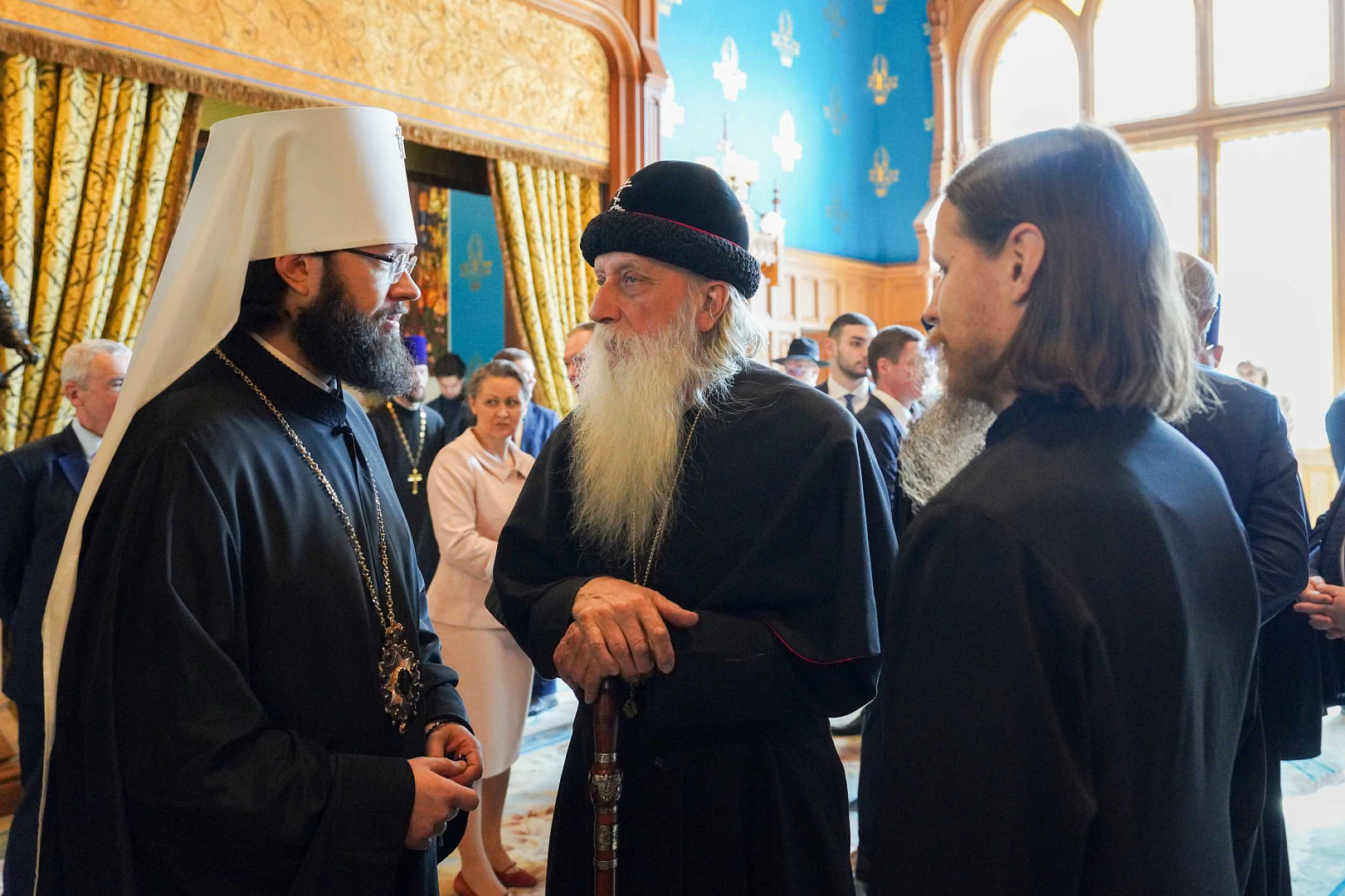
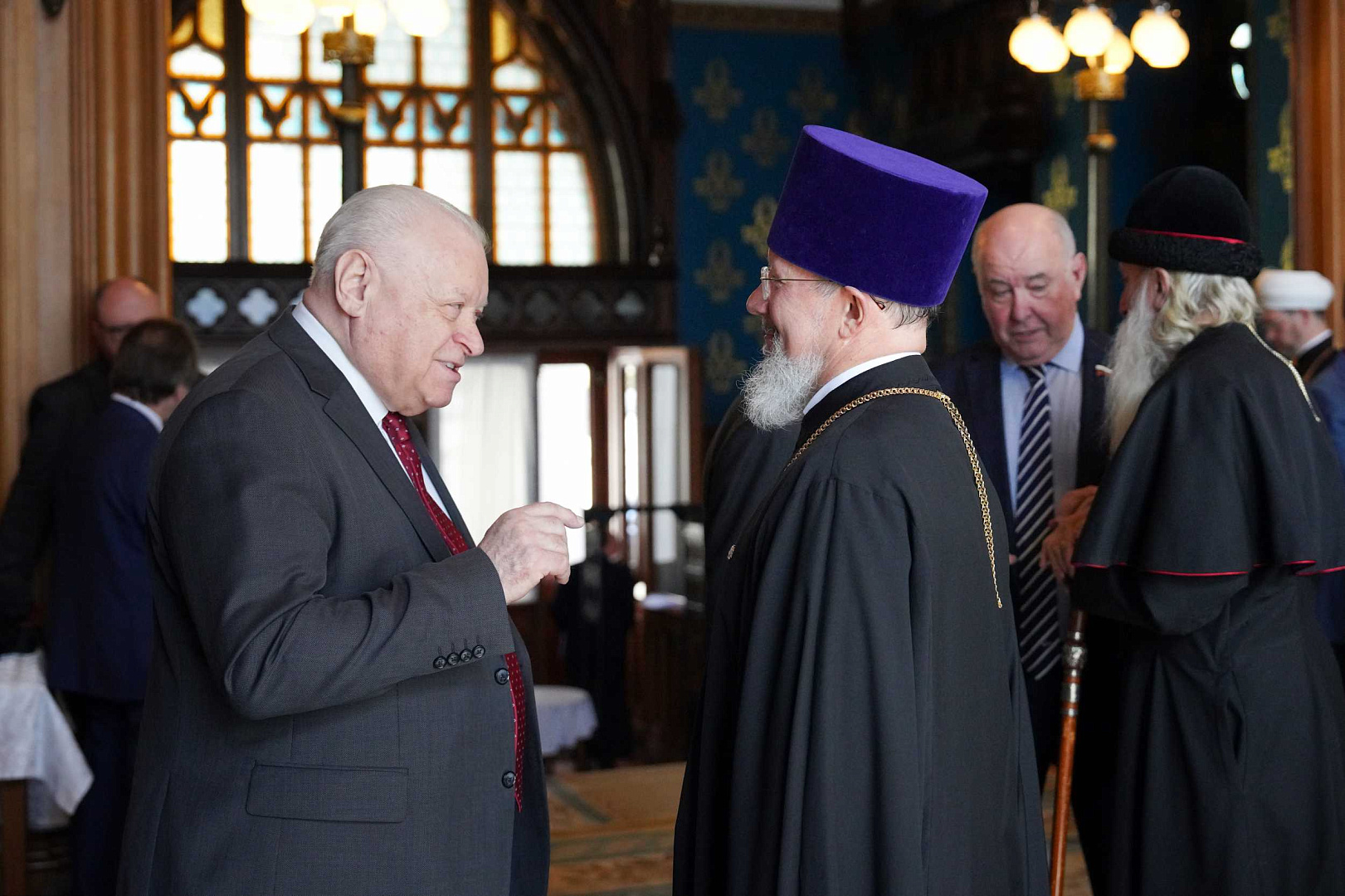
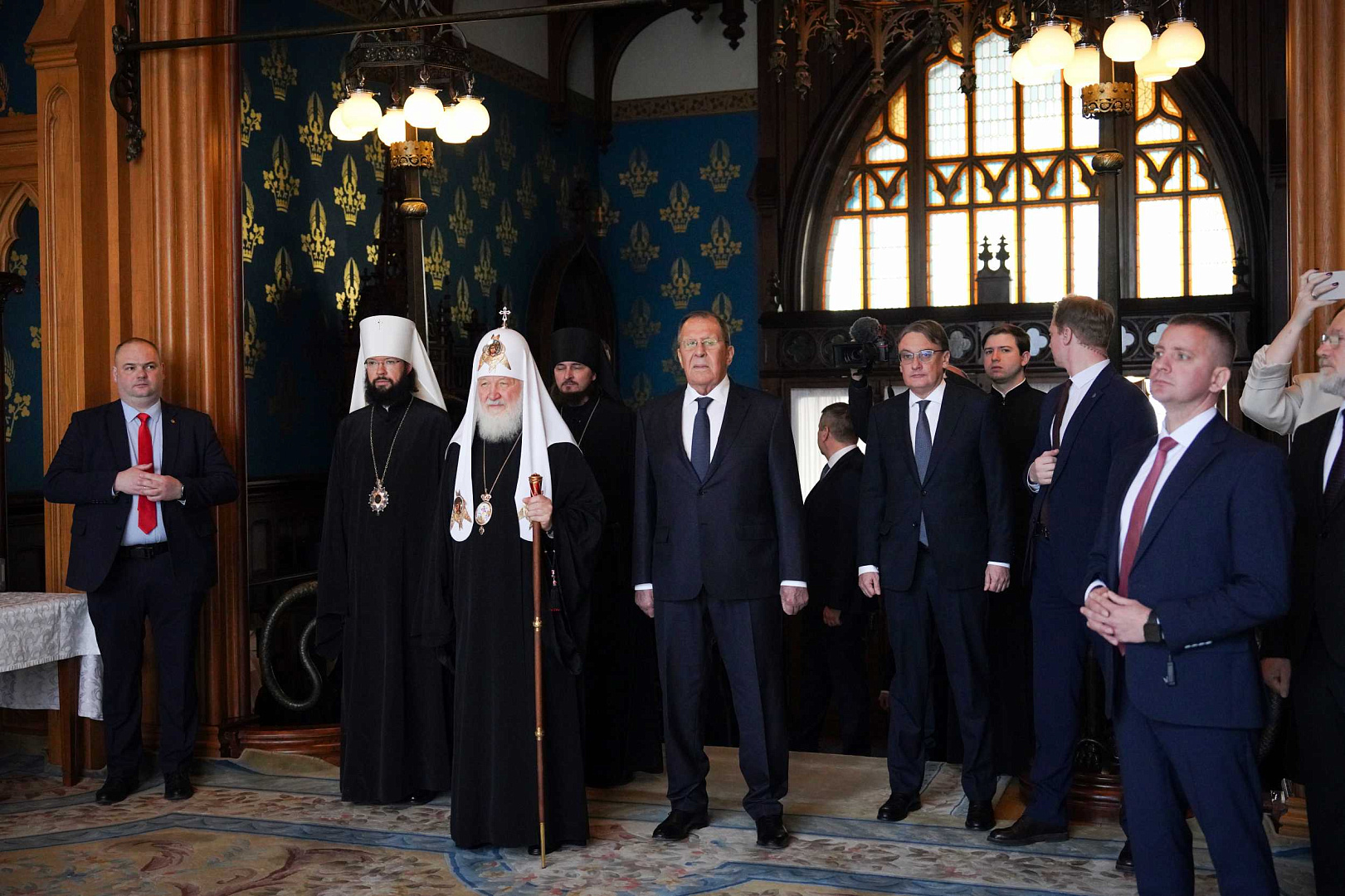
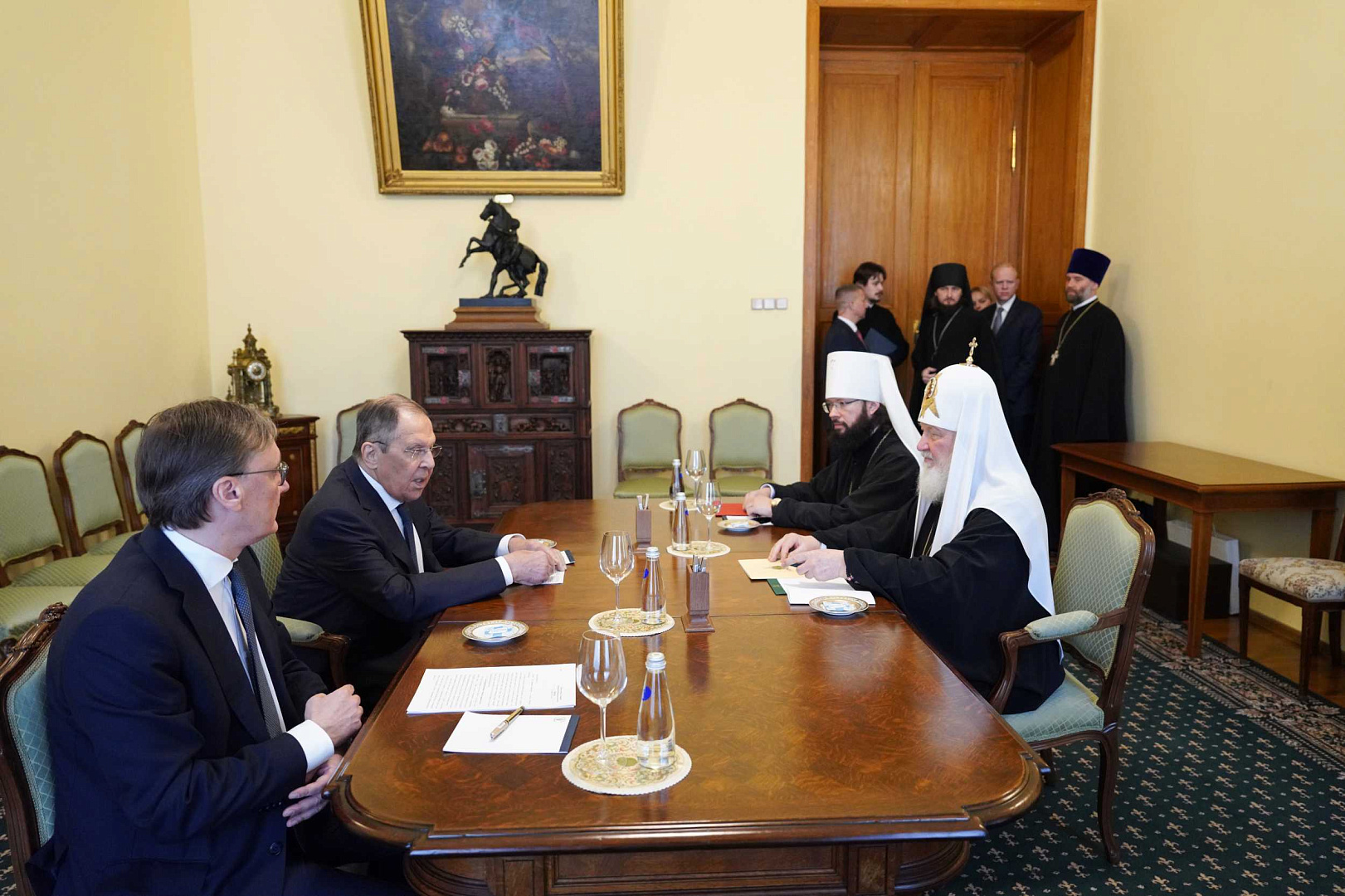
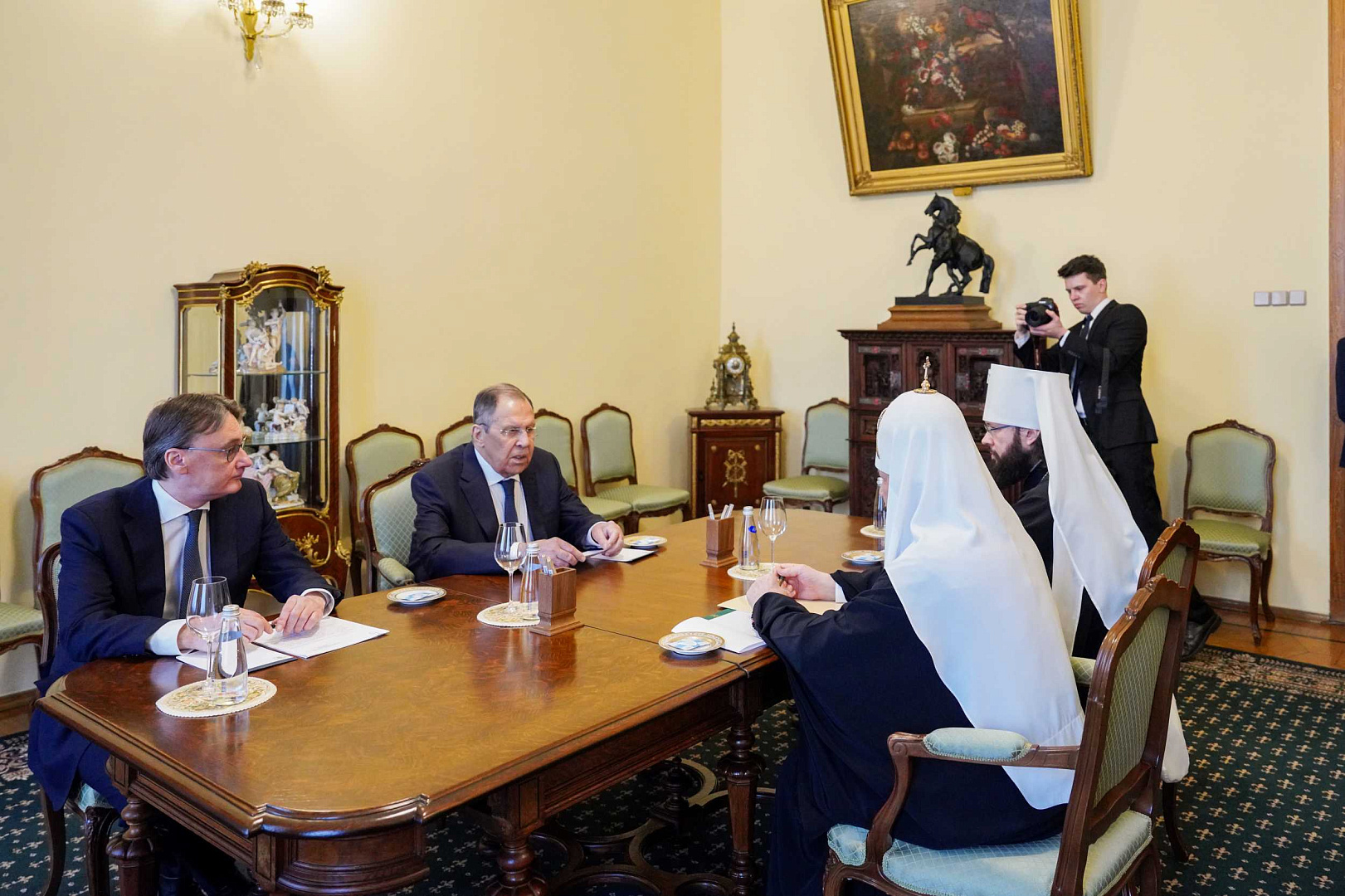
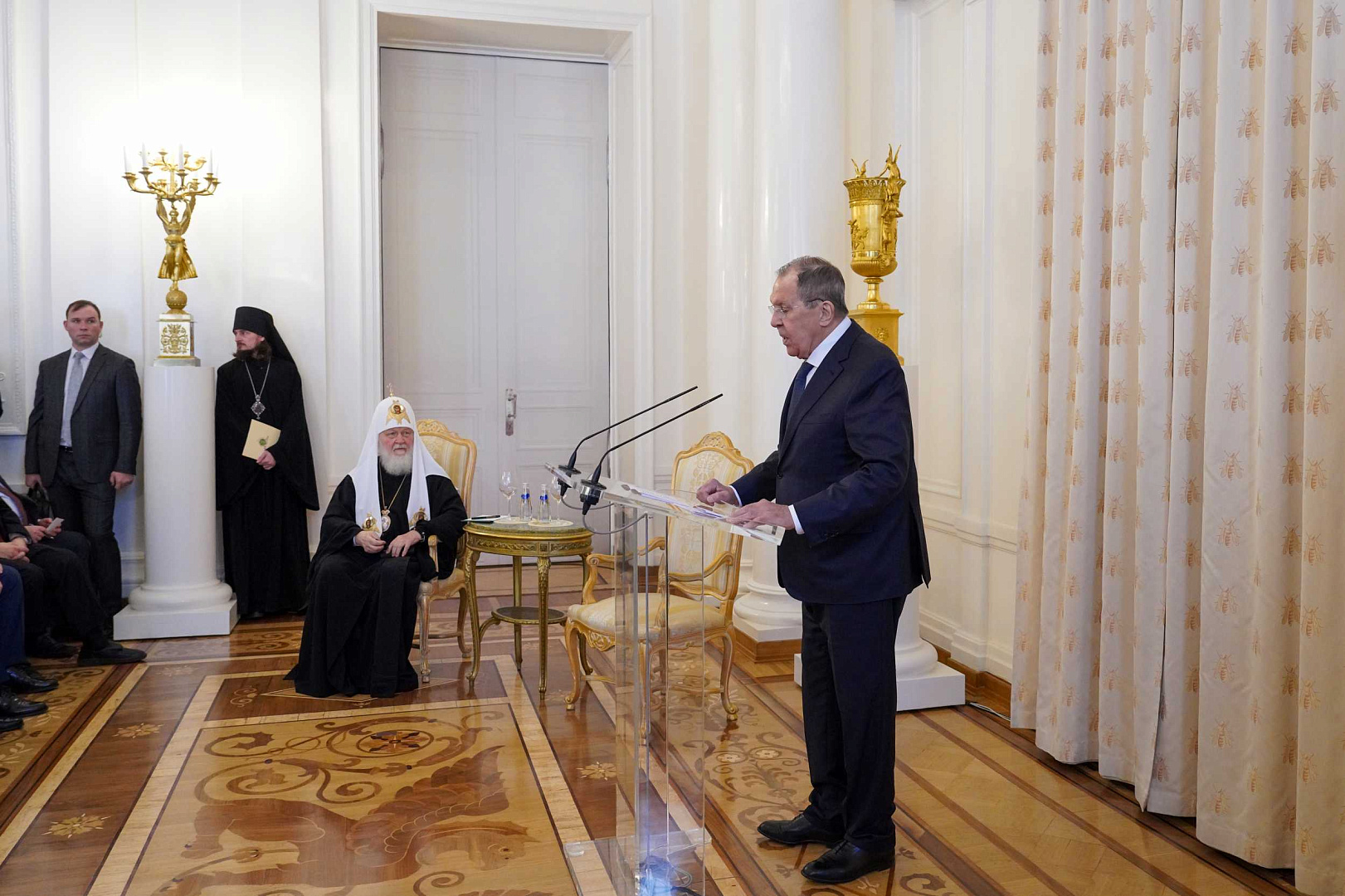
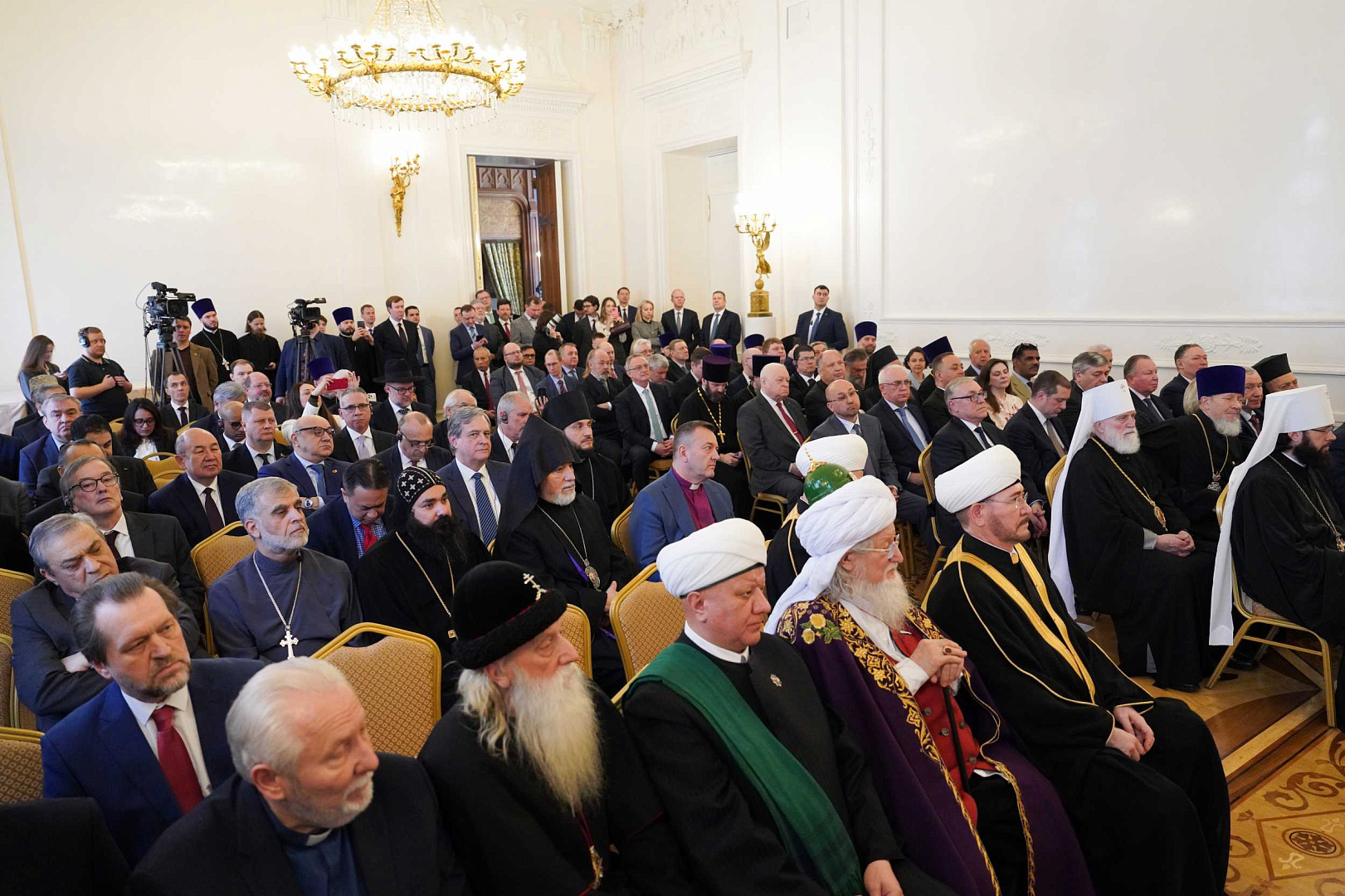
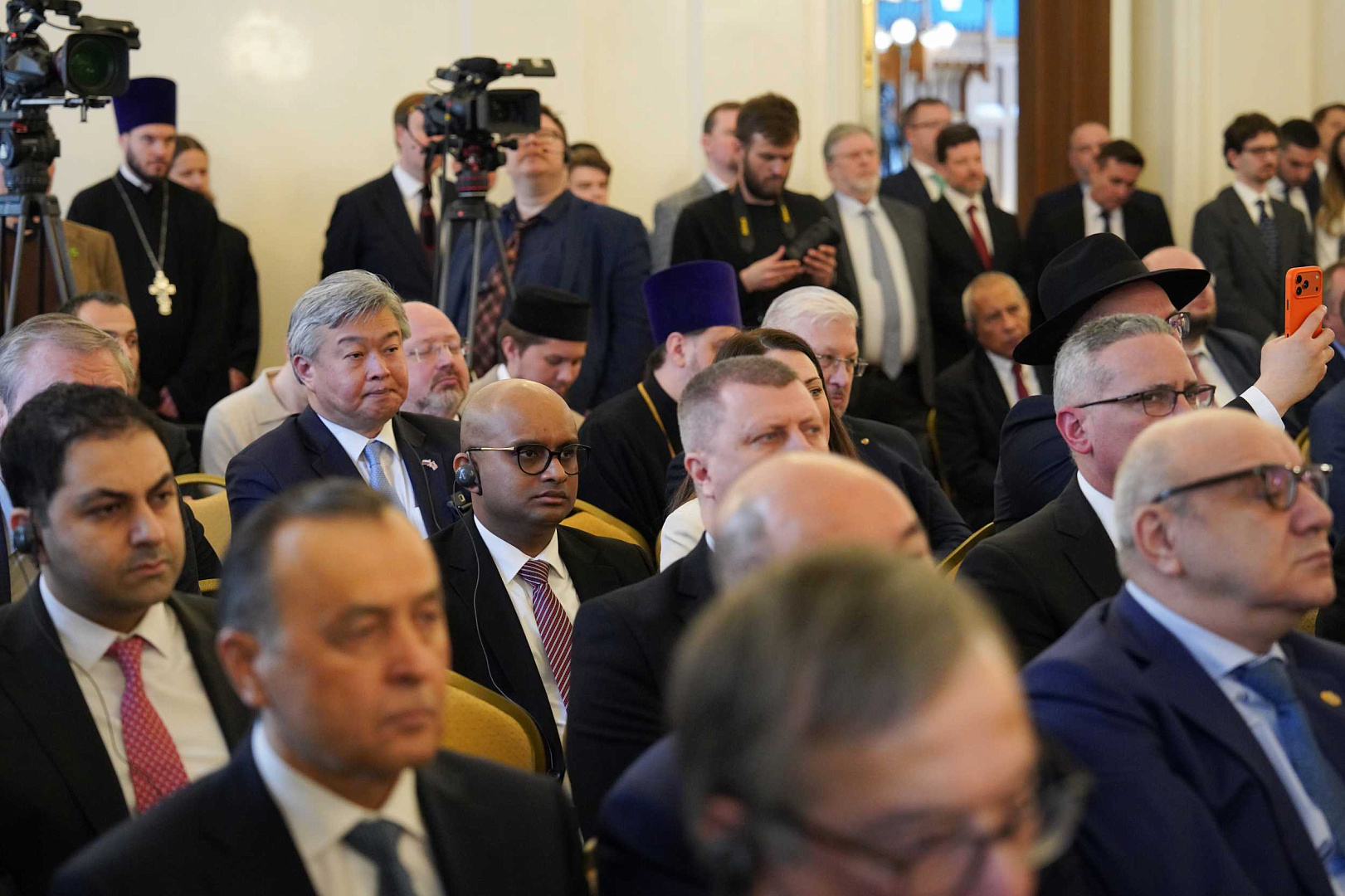
On 22nd April 2026, an Easter reception took place at the Reception House of the Ministry of Foreign Affairs of the Russian Federation, bringing together religious leaders, heads of foreign diplomatic missions, Russian and foreign diplomats, as well as representatives of the Presidential Administration, the Government, the Federation Council, the State Duma and non-governmental organizations.
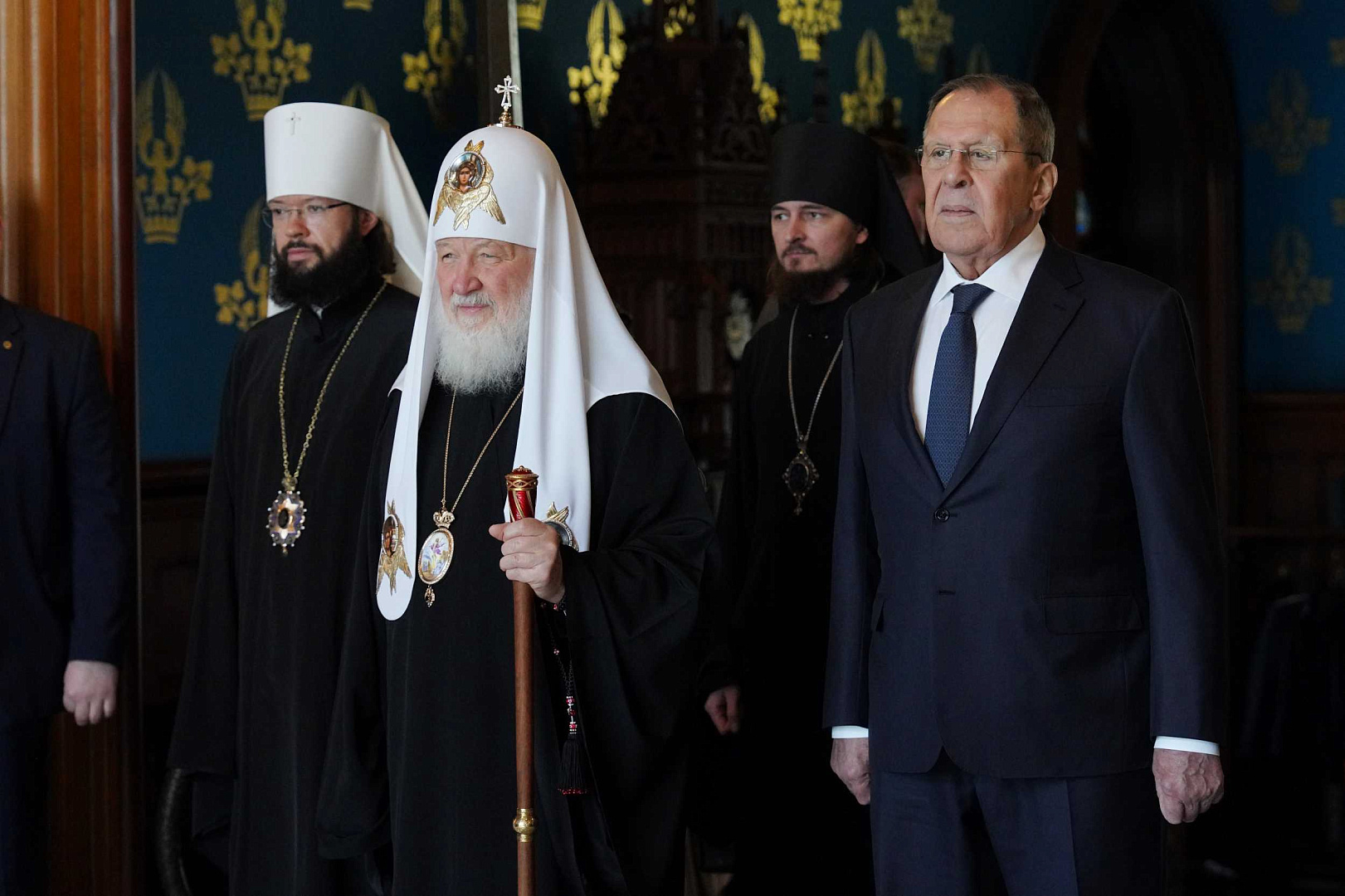
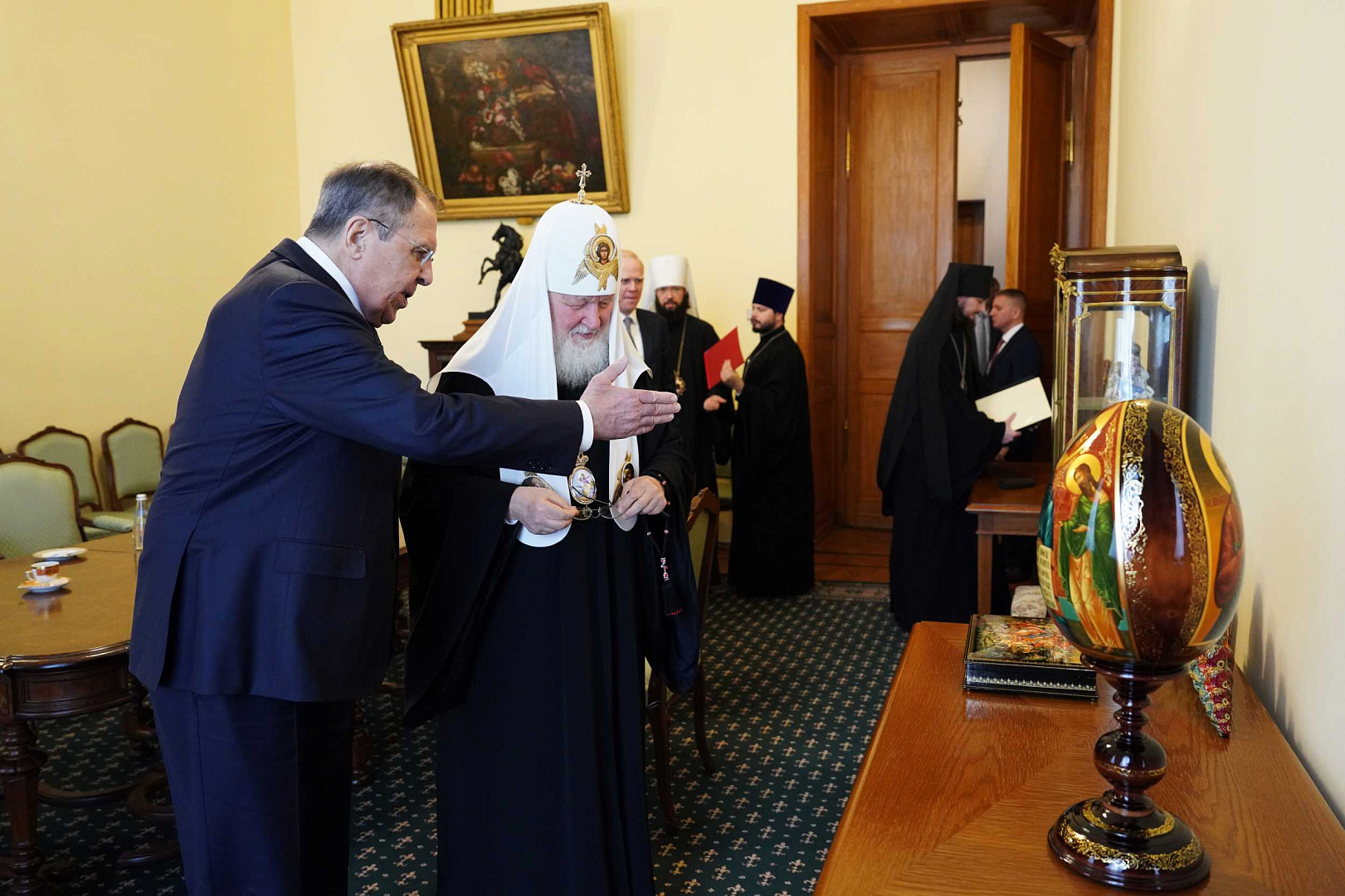
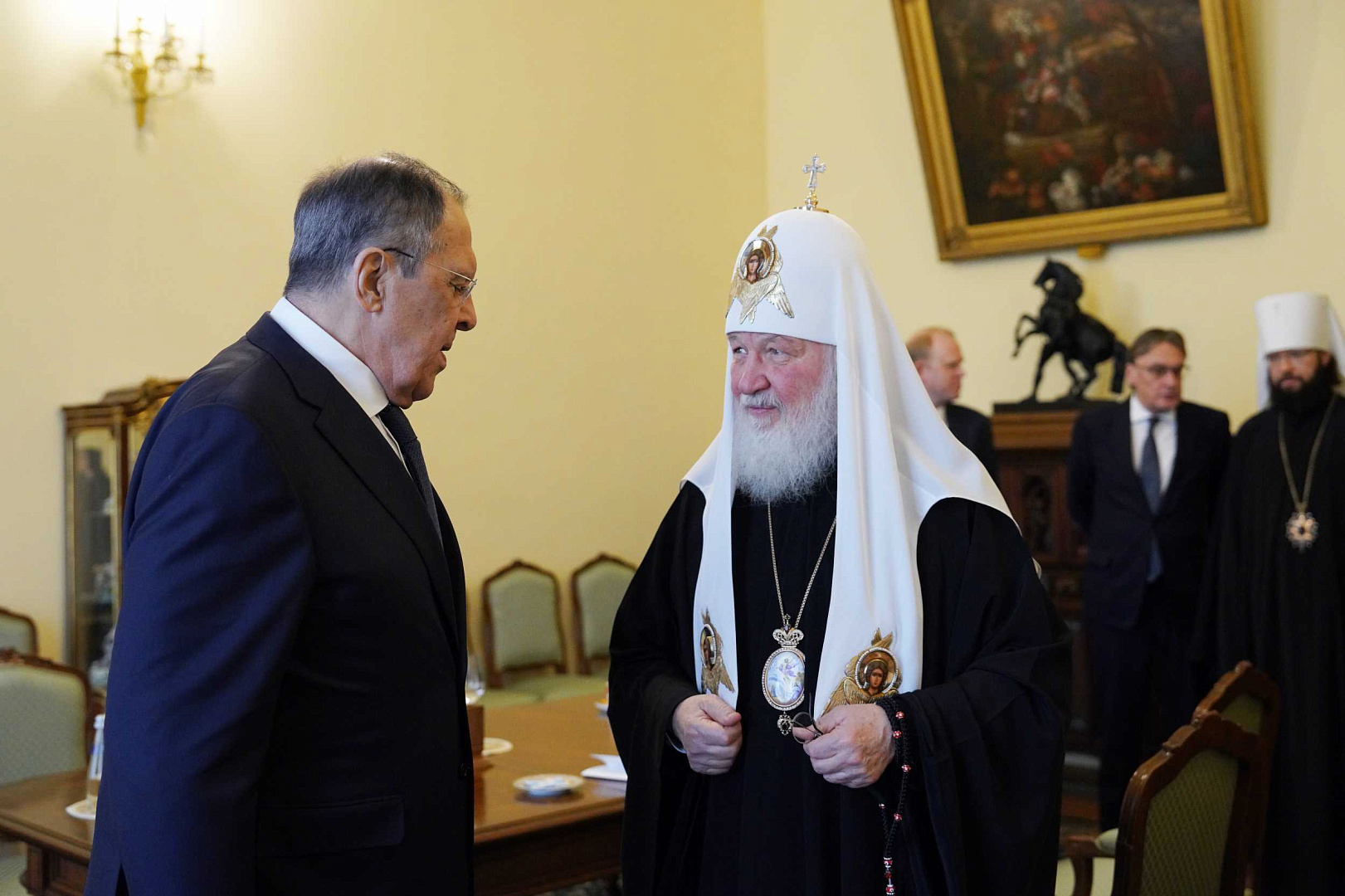
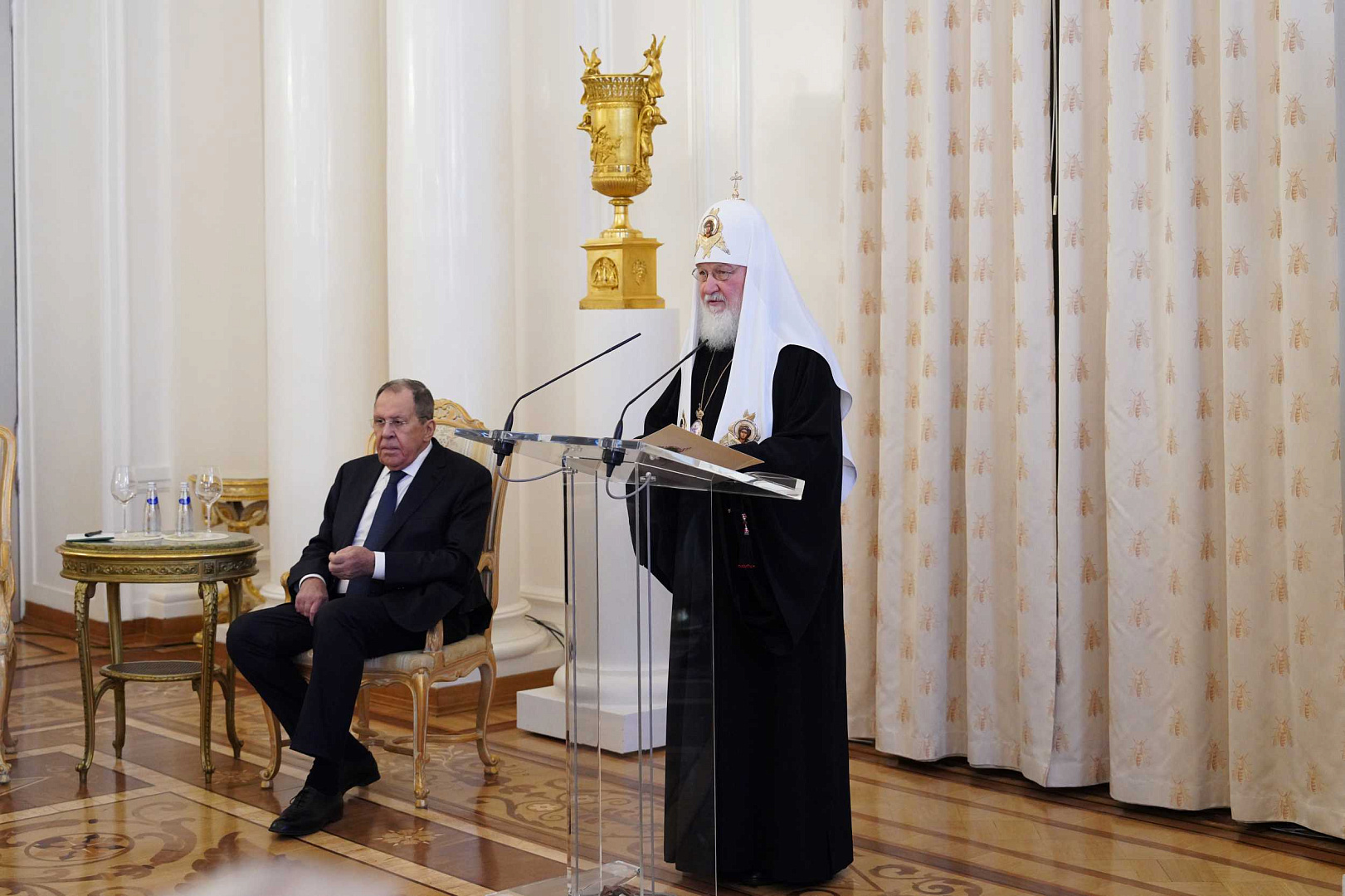
His Holiness Patriarch Kirill of Moscow and All Rus’ was among those who attended the reception. The Primate of the Russian Church was met by the Minister of Foreign Affairs of the Russian Federation, Mr Sergey Lavrov.
Representing the Russian Orthodox Church were also Metropolitan Anthony of Volokolamsk, Chairman of the Department for External Church Relations; Metropolitan Pavel of Krutitsy and Kolomna, Head of the Moscow Patriarchate’s Administration for Dioceses in Near Abroad Countries; Bishop Alexy of Ramenskoye, Personal Secretary to the Patriarch of Moscow and All Rus’; Archpriest Nikolai Balashov, Adviser to the Patriarch of Moscow and All Rus’; Archpriest Igor Vyzhanov and Archpriest Igor Yakimchuk, DECR Deputy Chairmen; Hegumen Feofan (Lukyanov), Head of the DECR Protocol; Archpriest Sergy Zvonarev, DECR Secretary for Far Abroad Countries; Priest Iliya Kashitsyn, DECR Secretary for Interfaith Relations; Priest Iliya Kosykh, Head of the DECR Communication Service; Mr A.V. Shchipkov, First Deputy Chairman of the Synodal Department for Church’s Relations with Society and Mass Media; and other clergymen and members of staff of the Department for External Church Relations.
Among those in attendance were representatives of the Local Orthodox Churches to the Moscow Patriarchal Throne, namely, Metropolitan Niphon of Philippopolis, Representative of the Patriarch of the Great Antioch and All the East, and Archimandrite Seraphim (Shemyatovsky), Representative of the Orthodox Church of the Czech Lands and Slovakia.
Archbishop Giovanni d’Aniello, Apostolic Nuncio to the Russian Federation, also attended the reception.
The guest list included the following representatives of the Oriental Churches: Archbishop Yezras Nersissian, Primate of the Diocese of Russia and New Nakhichevan of the Armenian Apostolic Church; Cor-Bishop Samano Odisho of the Assyrian Church of the East; and Hieromonk Dawood El Antony of the Coptic Orthodox Church.
During the reception, the Moscow Synodal Choir performed Paschal hymns.
Mr Sergey Lavrov delivered a greeting speech, saying in particular: “Easter Sunday symbolises the triumph of good and mercy and reminds us about the importance of mutual assistance and loving one’s neighbour. It teaches us to stand in defence of truth and fight for justice.”
“For centuries, our country has been home to people of various creeds and cultures. In fact, inter-ethnic and inter-faith harmony and conciliation have been and remain the main pillars ensuring stability at home and making us stronger on the international stage. Of course, the Russian Orthodox Church has had an instrumental role in cementing national unity. Together with its followers, it has always shared the country’s lot and served as a moral beacon for millions of believers, while inspiring people to undertake spiritual feats and helping them withstand years of hardship,” the Minister continued.
As Mr Lavrov emphasized in his speech, the Ministry of Foreign Affairs works closely with the Church in cementing moral foundations of international relations, promoting trust and mutual respect among nations and offering spiritual support to compatriots abroad.
“The Moscow Patriarchate’s Department for External Church Relations marks its 80th anniversary this year. It is one of the key synodal entities which has been effective in overseeing Church diplomacy as per its mandate. The Foreign Ministry works closely with this structure. The contribution by the Department for External Church Relations to reinforcing unity among Orthodox believers, promoting inter-faith dialogue and humanitarian cooperation can hardly be underestimated,” the Minister added.
As Mr Lavrov also pointed out, the Church carries out constructive diplomatic work in various parts of the world, as evidenced by the establishment of the Patriarchal Exarchates of Africa and South-East Asia and the growing number of its parishes abroad. “We are doing everything to facilitate this work thorough our foreign missions <...> We are convinced that further strengthening this cooperation would help consolidate Russia’s international standing and promote trust, mutual understanding and neighbourly relations among various nations and peoples,” he said.
His Holiness Patriarch Kirill of Moscow and All Rus’ also addressed the meeting.
In his speech, the Primate of the Russian Church dwelt, in particular, on the topic of inter-Orthodox relations. “We attach great importance to strengthening our fraternal ties with the Local Orthodox Churches. Most of the Churches remain committed to maintaining good relations with the Moscow Patriarchate,” His Holiness said, mentioning that serving as indications thereof were last year’s visits of delegations of a number of the Local Orthodox Churches to Moscow.
However, when it comes to commitment to the ecclesiological principles and canonical order of the Church, inter-Orthodox relations have been put to test these days, His Holiness added. As Patriarch Kirill said in his speech, attempts continue to impose a doctrine, alien to Orthodoxy, of special powers and authority of the Patriarch of Constantinople, which had served as ideological grounds for Phanar’s blatant incursion into church life in Ukraine and, as the result, led to the lingering crisis in inter-Orthodox relations.
“Availing myself of the opportunity to address Russian and foreign diplomats and representatives of Christian communities, I would like to once again draw your attention to facts of discrimination against the Ukrainian Orthodox Church. The pressure put on the Church by the Ukrainian authorities has grown into outright religious persecution,” His Holiness also said.
As Patriarch Kirill mentioned in his speech, the Moscow Patriarchate’s institutions in the Baltic countries and Moldova are also suffering mounting pressure fr om the state, which, in particular, takes the form of discriminatory legislative acts. The very existence of the Estonian Orthodox Christian Church remains jeopardized, His Holiness said and added that, despite the unprecedented pressure, the Estonian Orthodox Church and the Orthodox Church of Moldova, together with their flock, remain faithful to the canonical church order.
Dialogue continues between the Russian Orthodox Church and the Roman Catholic Church on such topics as traditional values and their protection, as well human rights and religious freedom in Ukraine, His Holiness noted. Patriarch Kirill also pointed out that the Russian Church maintains trust-based cooperation of strategic importance with the Oriental Churches: the Coptic Orthodox Church, the Armenian Apostolic Church, the Malankara Orthodox Syrian Church, the Ethiopian Orthodox Tewahedo Church, the Eritrean Orthodox Tewahdo Church and the Assyrian Church of the East at both the bilateral level and the international forums.
The Russian Orthodox Church continues its dialogue with leaders of non-Christian religions and international interfaith organizations, His Holiness emphasized, adding that representatives of the Moscow Patriarchate, including its leadership, regularly take part in inter-religious meetings in former Soviet and far abroad countries. Such large organizations as the United Nations Alliance of Civilizations and the World Conference of Religions for Peace show interest in further contacts with the Russian Orthodox Church and, on the whole, in promoting dialogue between traditional religions and international institutions, he added.
“Far from losing its relevance, this sphere grows in importance in view of the escalating conflict in the Middle East. The situation in Syria causes particular concern with Orthodox Christians there being subjected to violence and pressure from radical elements. Brutal attacks on Christians continue in Nigeria, wh ere a short while ago the faithful of the African Exarchate of the Russian Orthodox Church were killed by terrorists,” Patriarch Kirill said.
As His Holiness mentioned in his address, the Church works in good liaison with Russia’s Ministry of Foreign Affairs, which is open to implementing joint initiatives aimed, among other things, at supporting compatriots abroad. Offering them pastoral guidance is the mission of the Moscow Patriarchate’s numerous institutions abroad; they are located in 105 countries; acting there are 1502 parishes and 2039 clergymen and church workers. In many countries, Russian embassies provide premises for divine services and assist in organizing places of worship in other localities, the Primate of the Russian Church added.
“In every historical era and in every ordeal, the Church remains faithful to its mission, which is to strengthen faith in God in human souls and encourage good hope and active love. We call it the path of salvation, which is illumined by the light of the Resurrection of Christ. I would like to wish us all Paschal joy, well-being and success in the service each of us carries out,” His Holiness Patriarch Kirill said in conclusion.