
Conference takes place in Vilnius on 680th anniversary of the Cathedral of the Most Holy Mother of God
DECR Communication Service, 05/05/2026
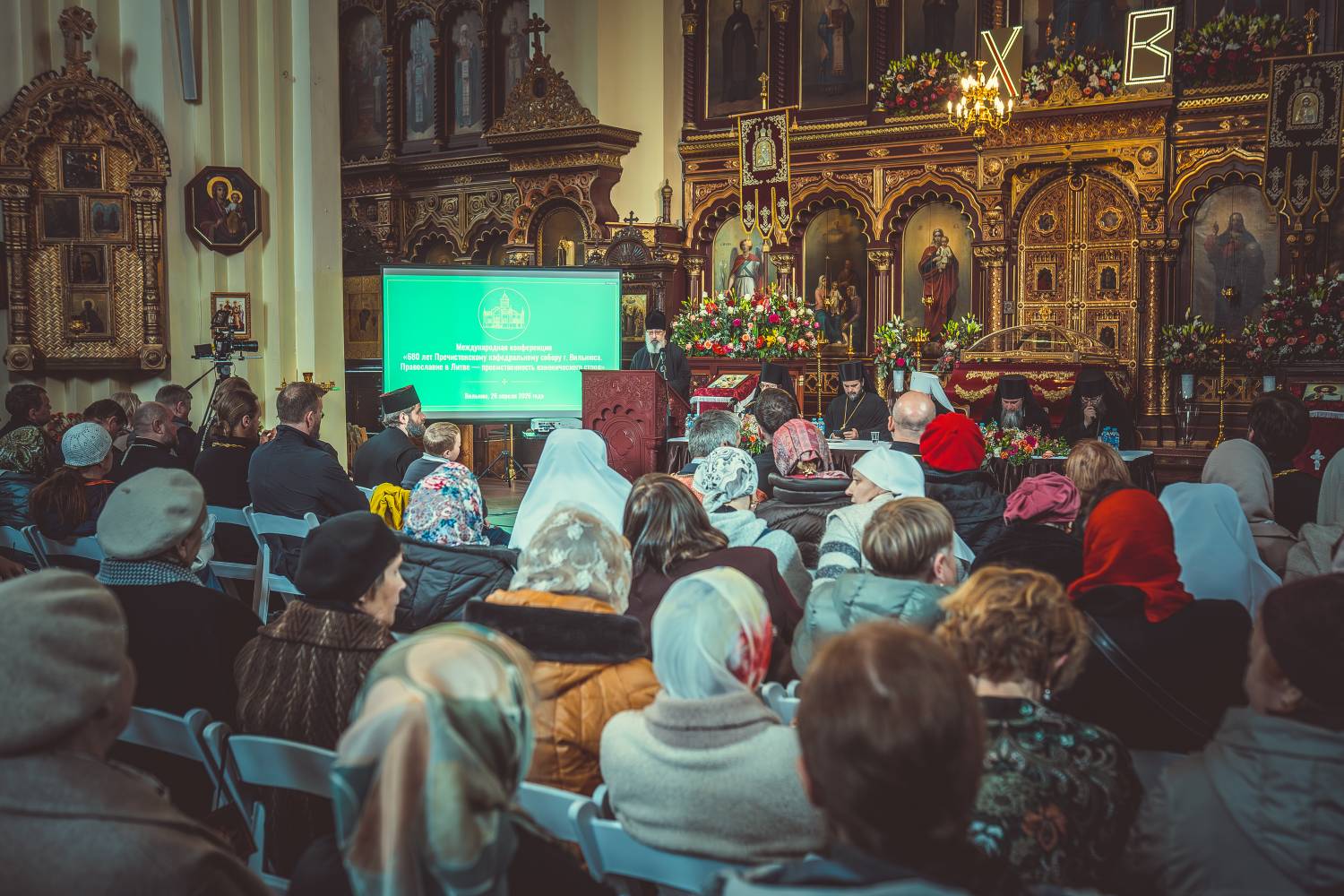
On 26th April 2026, an international conference took place in Vilnius, entitled “The 680th Anniversary of the Cathedral of the Most Holy Mother of God. Orthodoxy in Lithuania: Continuity in Canonical Order.” The conference was also timed to the commemoration day of the Holy Martyrs of Vilnius.
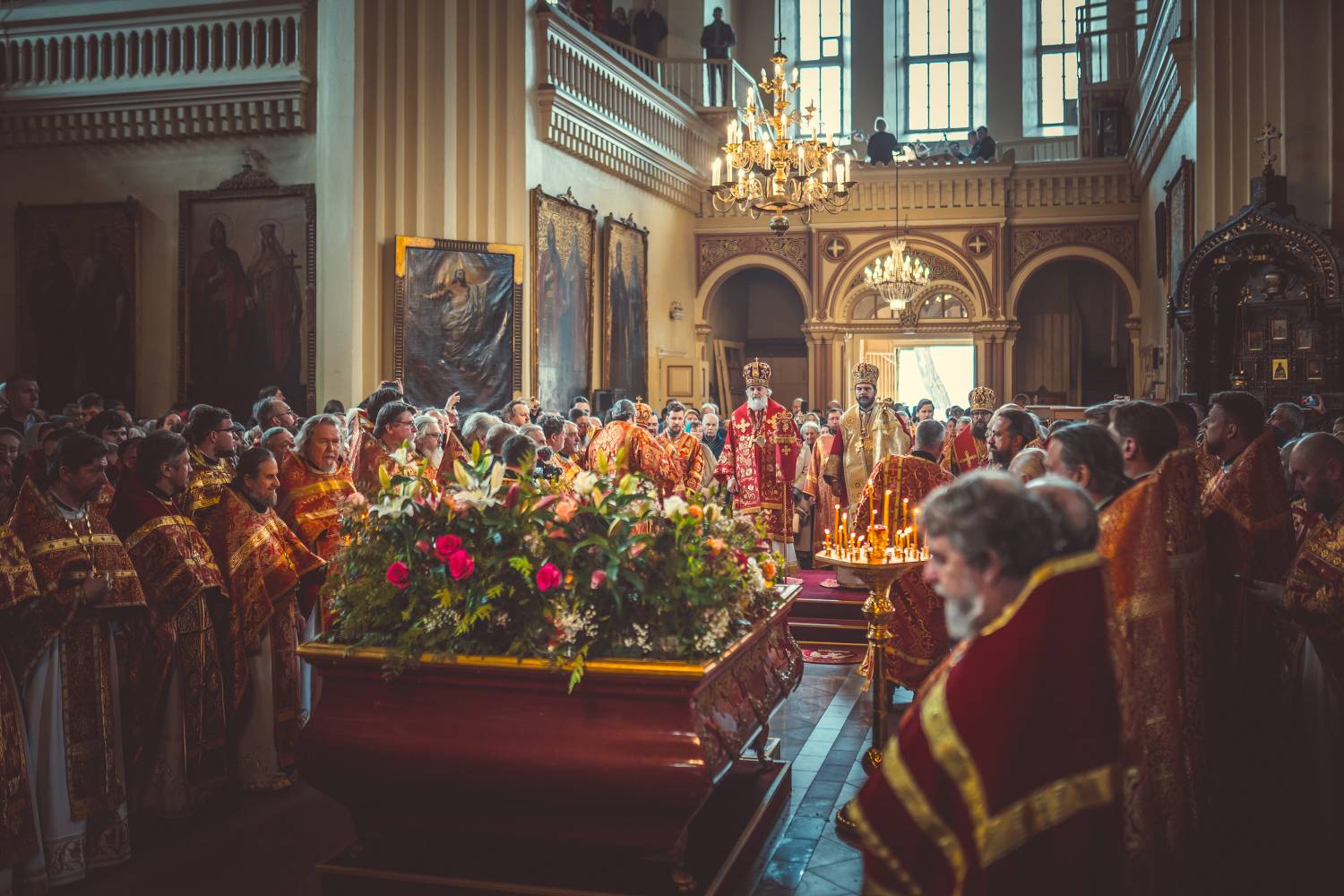
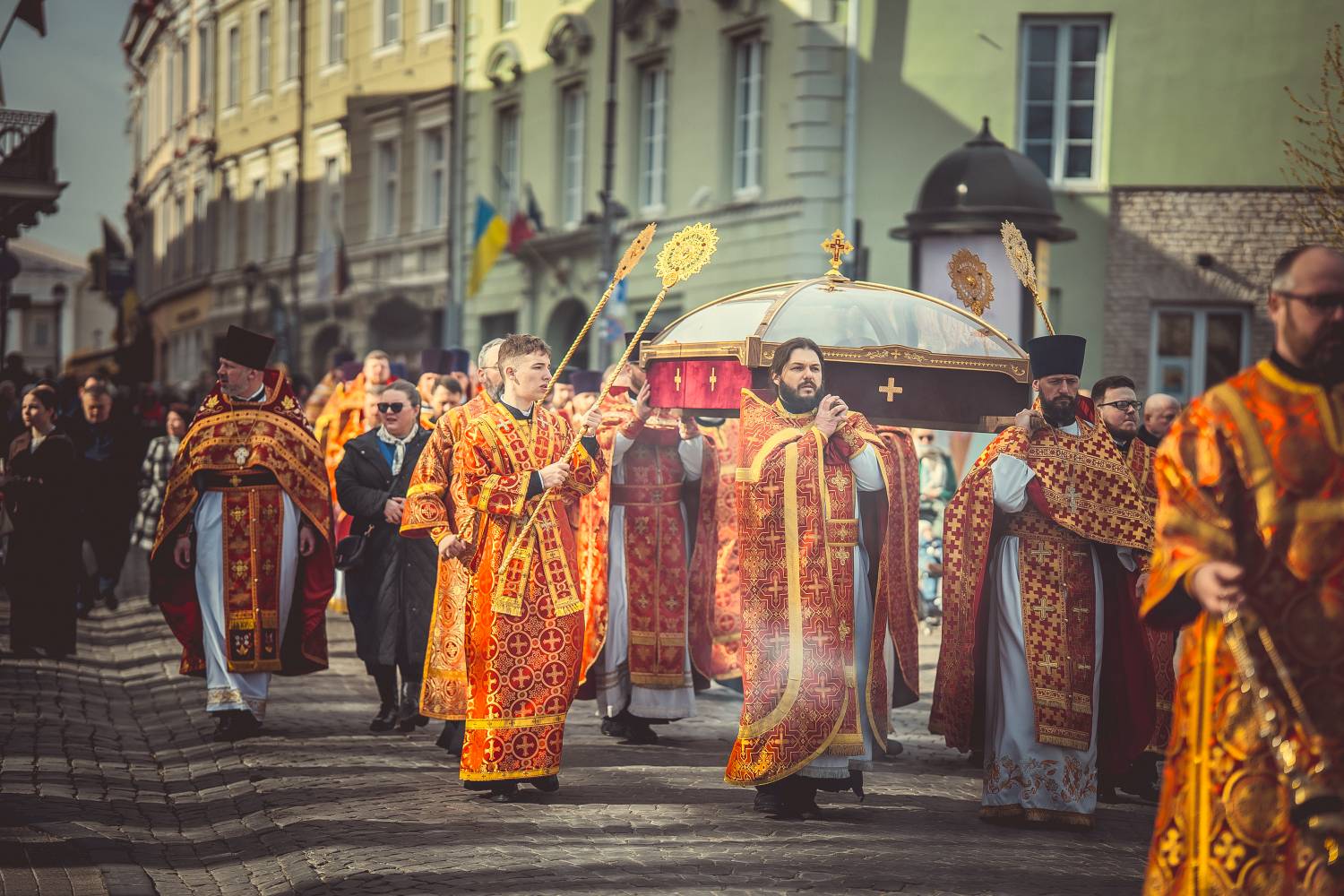
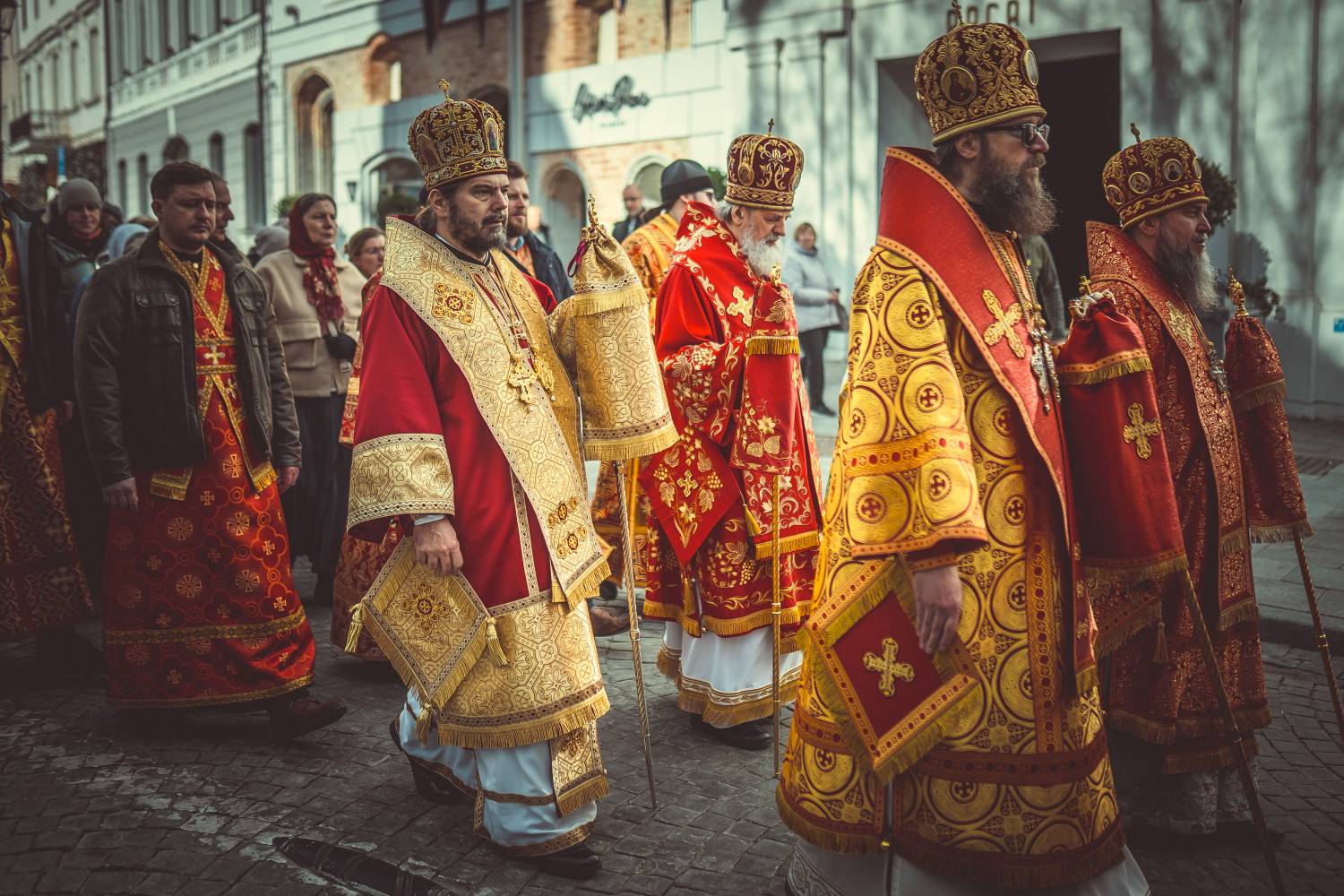
The day before, a grand procession with the relics of the Vilnius Martyrs Anthony, John and Eustathius had taken place in Vilnius. For the first time, the relics of the Vilnius Martyrs were brought to the Cathedral of the Most Holy Mother of God. The procession, which began at the Monastery of the Holy Spirit, went through the Old Town and ended at the cathedral.
Attending the celebrations were great many Orthodox Christians from across Lithuania, as well as pilgrims from other countries. More than 70 clergymen took part in the procession and the Divine Liturgy that followed.
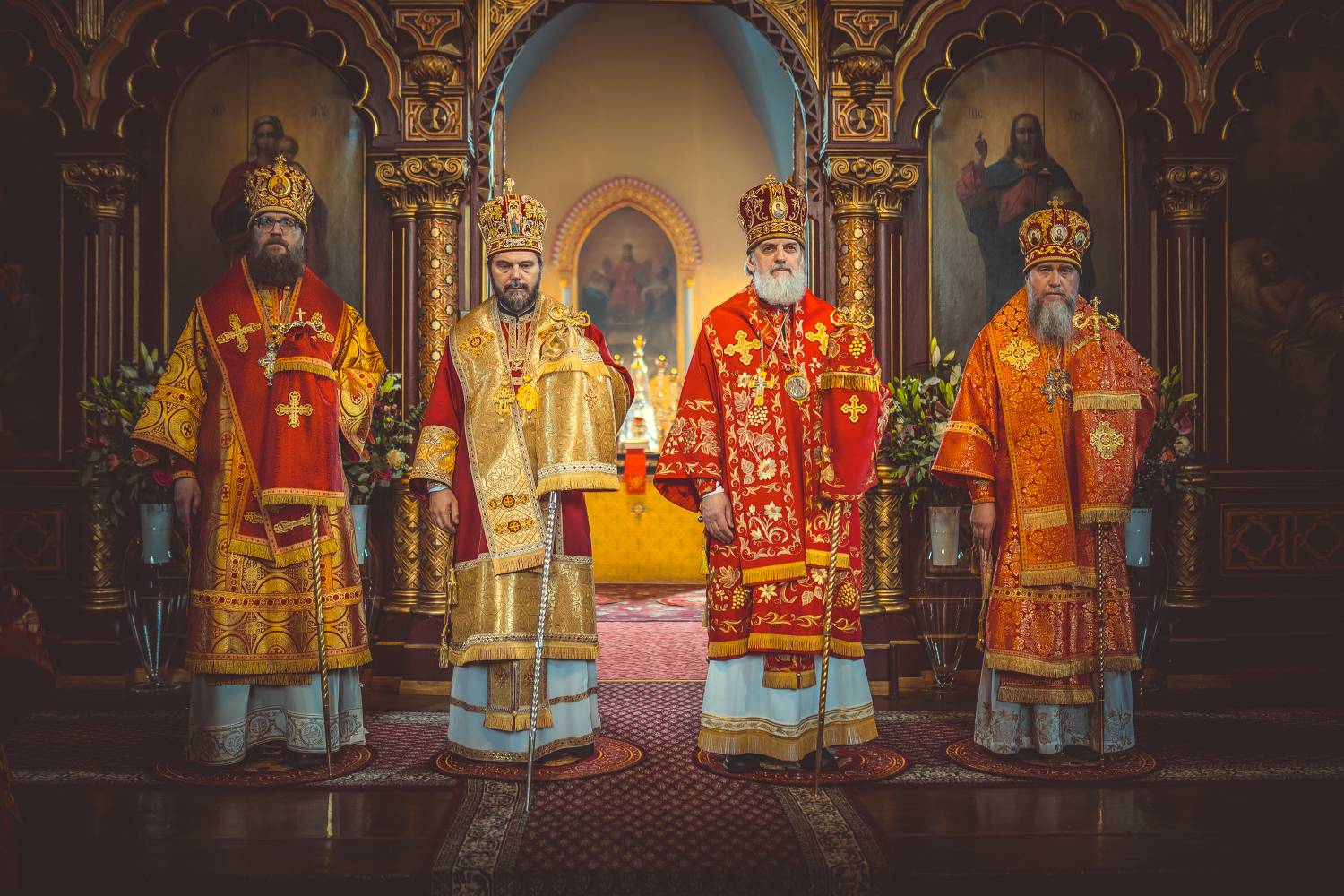
Officiating at the Divine Liturgy in the Cathedral of the Most Holy Mother of God was Metropolitan Innocent of Vilnius and Lithuania. Among his concelebrants were Bishop Andrzej of Supraśl (Polish Orthodox Church) and Bishop Daniel of Tartu (Estonian Orthodox Christian Church).
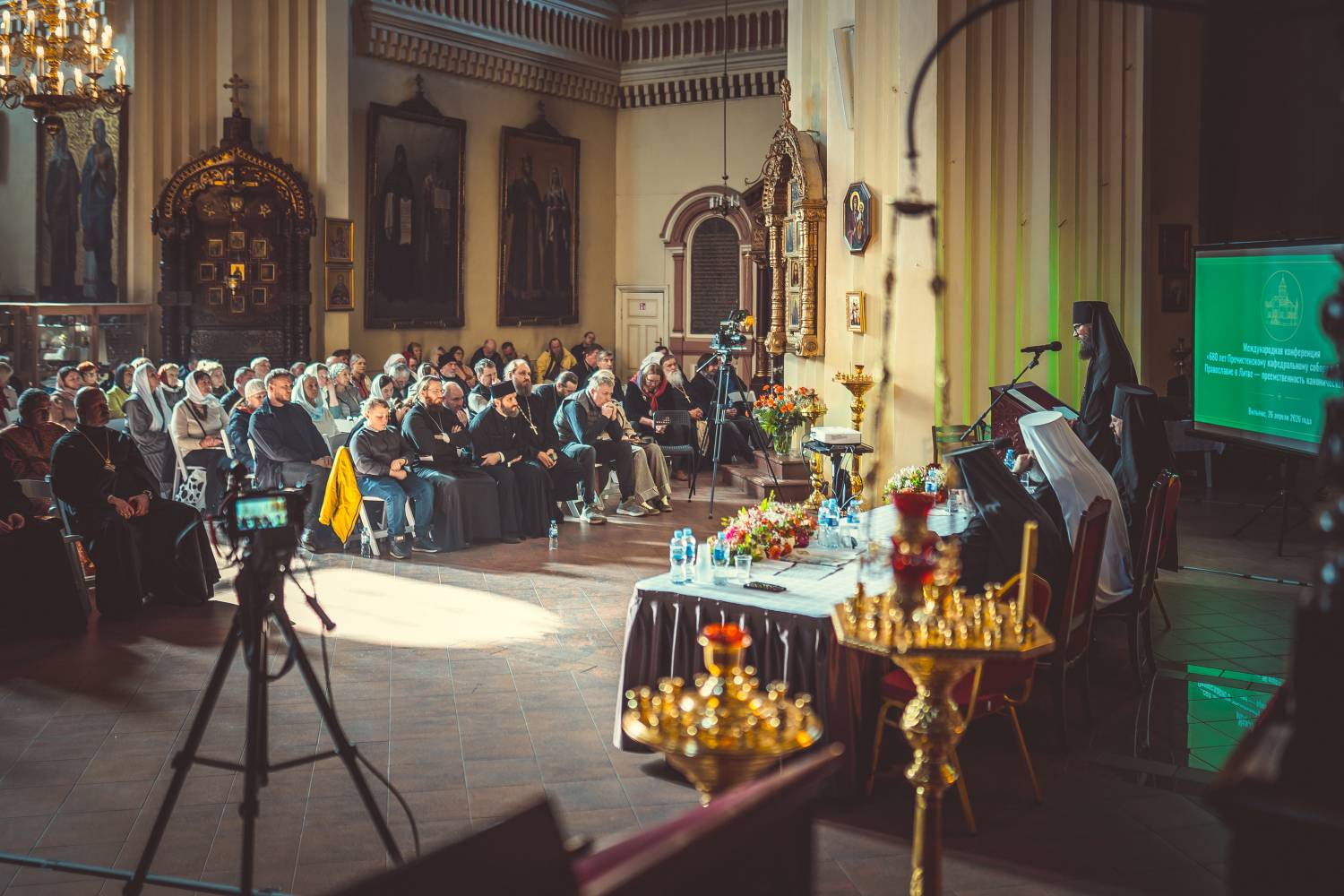
The conference, entitled “The 680th Anniversary of the Cathedral of the Most Holy Mother of God. Orthodoxy in Lithuania: Continuity in Canonical Order,” which took place on 26th April, attracted great interest. There was a large attendance for the event: all seats were occupied and some of the attendees remained standing. The meeting was broadcast live.
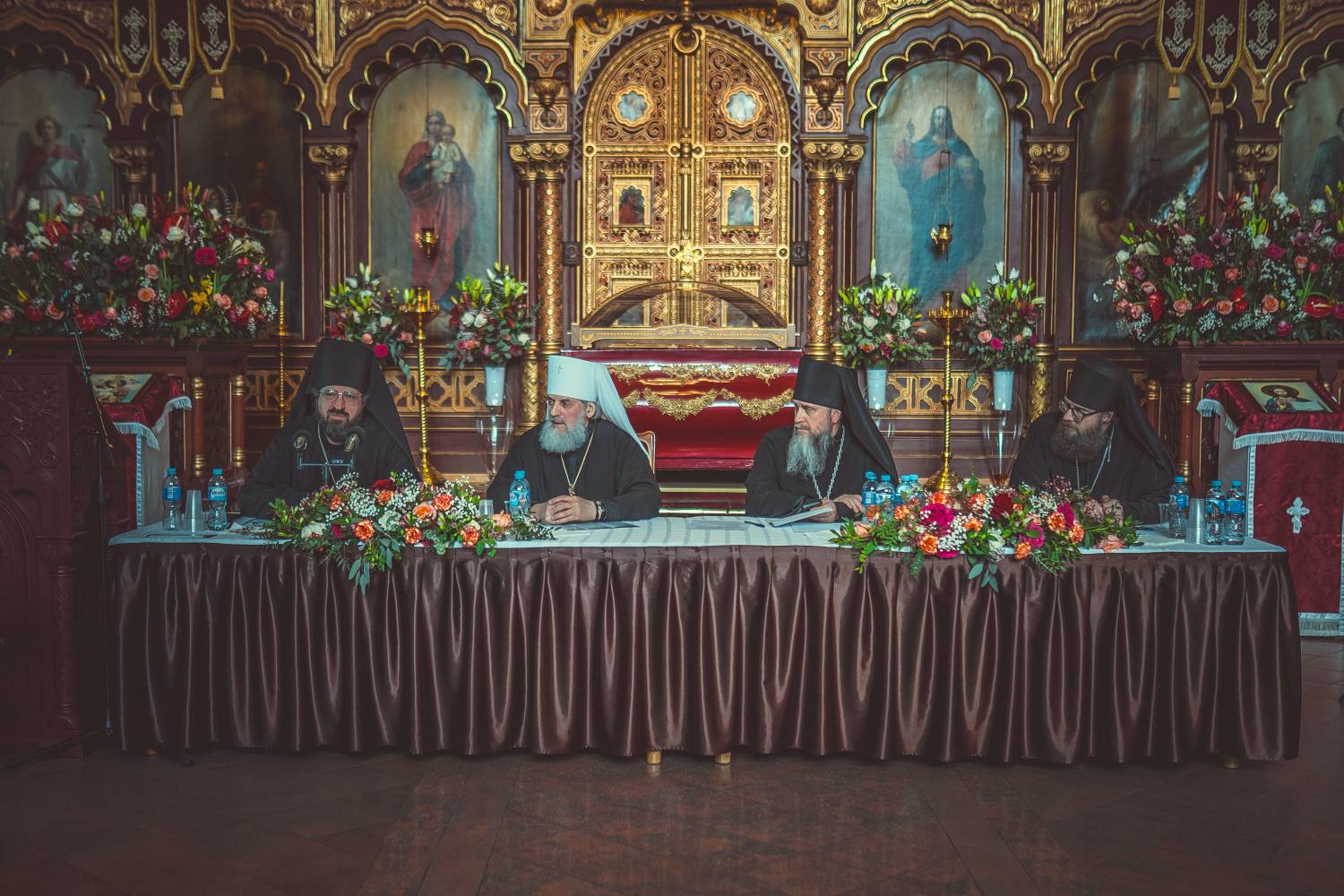
Metropolitan Innocent of Vilnius and Lithuania opened the conference. As he pointed out in his speech, the participation of representatives of different Local Orthodox Churches provided an opportunity for joint deliberations both on historical aspects of the Orthodox presence in the Lithuanian land and Europe and on present-day challenges.
Metropolitan Innocent emphasized the importance of an honest and open dialogue between the Church and the state based on mutual trust and aimed at avoiding divisions in society. At the same time, the hierarch noted, the faithful of the Lithuanian Orthodox Church are law-abiding citizens of their country, who pray for its authorities, army and people, observe the Constitution and the laws of the Republic of Lithuania.
His Eminence also pointed out that the Church is understanding towards the existence of different points of view and believes that different parties need to engage in a calm and open-hearted dialogue. “I express my hope that such dialogue will take place in the nearest future and that our second-largest traditional religious community in Lithuania will certainly be part of it,” Metropolitan Innocent added.
Bishop Ambrose of Trakai spoke about the importance of the Cathedral of the Most Holy Mother of God in the life of the Orthodox Christians in Lithuania.
Archimandrite Philip (Vasiltsev) focused in his address on certain aspects of the Patriarchate of Constantinople’s policy towards Eastern Europe in the 14th century.
One of the keynote addresses was delivered by Prof. Antoni Mironowicz (Poland). It centred on the formation of the Orthodox Metropolia in the territory of the Grand Duchy of Lithuania and the role of Orthodox spouses of the Lithuanian monarchs.
Hegumen Anthony (Gurinovich) focused in his address on the transfer of the Kiev Metropolia to the jurisdiction of the Moscow Patriarchate in 1686 – the topic which often sparks off disputes.
Historical continuity in the Orthodox Church in Estonia and the challenges it is facing today were central points in an address delivered by Bishop Daniel of Tartu (Estonia).
Ognjen Vojvodić, an Orthodox journalist from Montenegro, spoke about the democratic rights of religious minorities in the European Union. Prof. Romanas Januškevičius focused on the situation of the Lithuanian Orthodox Church in its relations with the state, dwelling on such topics as canonical ties and legal status.
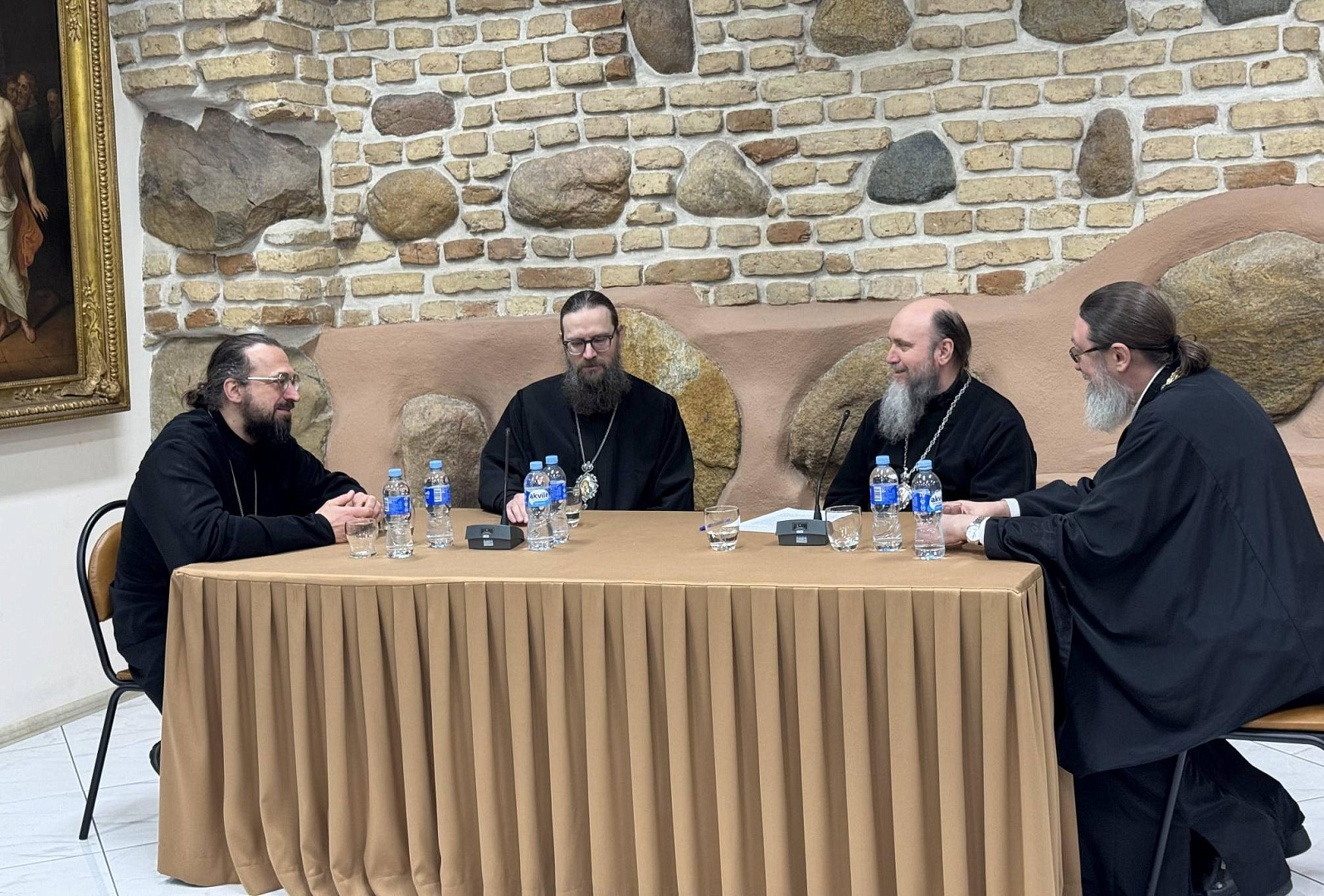
On 27th April, a round-table meeting took place at the Monastery of the Holy Spirit as a follow-up to the international conference of the Lithuanian Orthodox Church held in the Cathedral of the Most Holy Mother of God the day before.
As participants in the meeting pointed out, the history of Orthodoxy in Lithuania deserves unbiased reflection, and an open dialogue is required to address the current challenges facing society, of which the Church is an integral part.
Bishop Ambrose of Tartu noted that, as the history of the countries mentioned in the conference addresses showed, the Church, while existing in changing and complicated circumstances, ought to use as its guiding principles the conciliarly established and time-honoured canons.
According to Bishop Daniel of Tartu, who represented the Estonian Orthodox Christian Church, in trying to ensure a certain country’s security one must not forget about the safety of individual people and communities, for it is inadmissible to declare somebody an enemy merely based on his/her affiliation with a certain group, including religious one.
As Hegumen Anthony (Gurinovich) pointed out, history is complicated and controversial, and only calm and thoughtful deliberations may help come to its understanding, while attempts to pass historical clichés off as the ultimate truth are not instrumental in that regard.
To illustrate paradoxicality of history, Archimandrite Philip (Vasiltsev) mentioned the transfer of the Metropolitan See from Kiev to Moscow in the 14th century and the active involvement of Constantinople in the process. It served the interests of both the Byzantine Emperor and the Patriarch, while within the Patriarchate of Constantinople there were both pro-Moscow and pro-Lithuanian parties.
The participants in the round-table meeting stated with regret that even before it had begun, the conference had faced ideology-driven critical remarks and accusations of “spreading propaganda” and “exerting information influence,” which had nothing to do with reality. It was pointed out that the Church preaches the Peace of Christ, not any other “peace.”