
A section of the Christmas Readings dedicated to the Church’s pastoral care for people with mental illness was held at the DECR
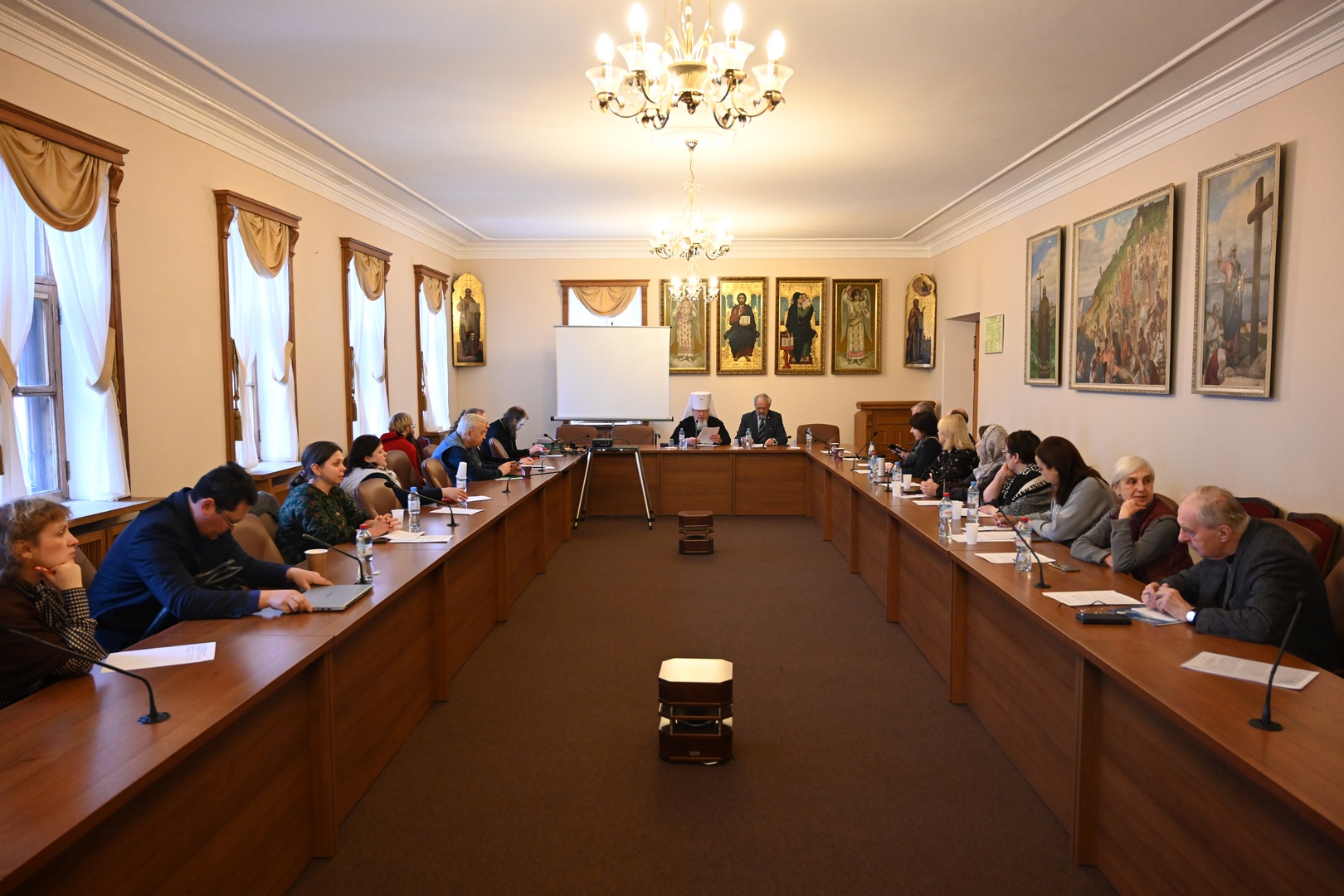
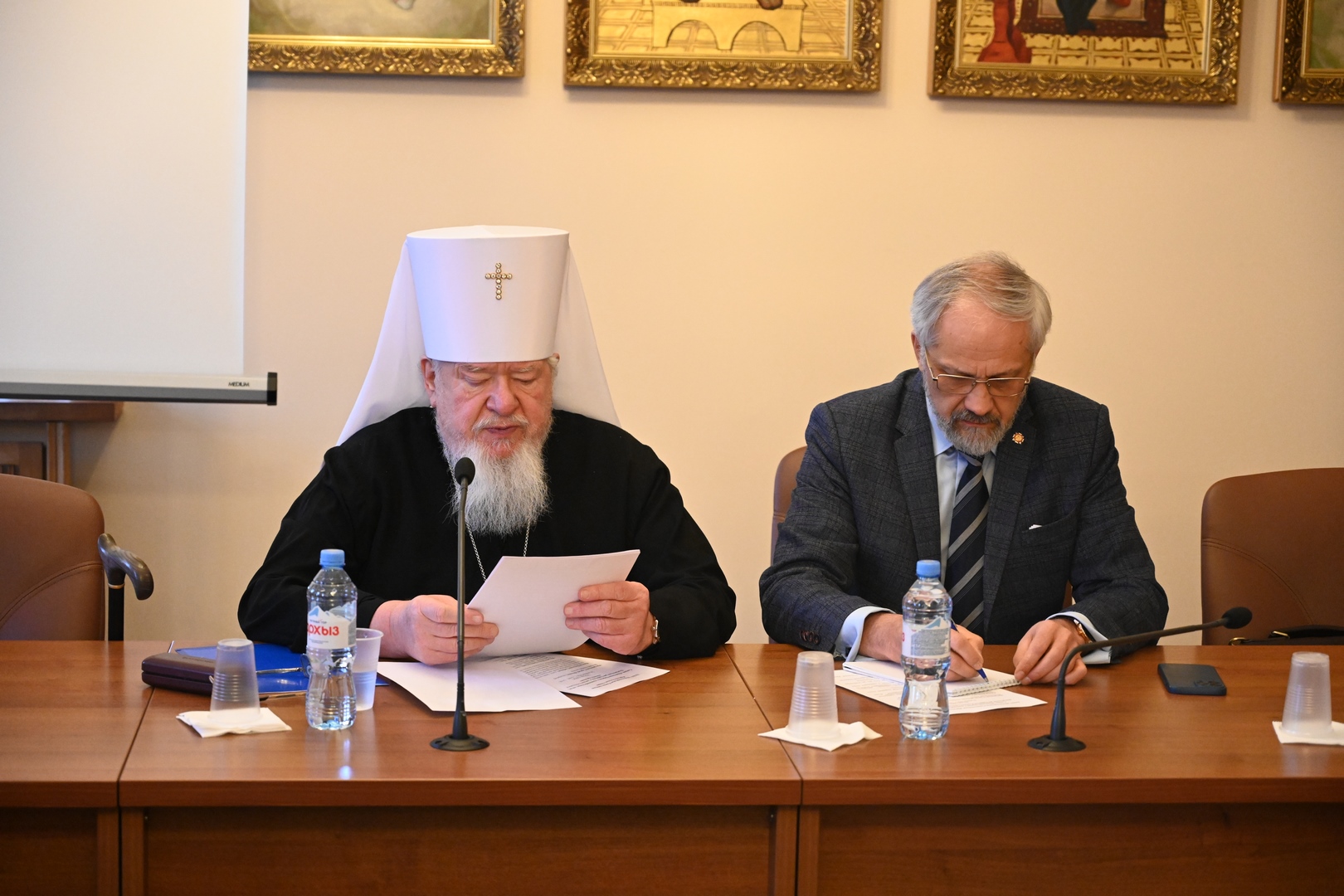
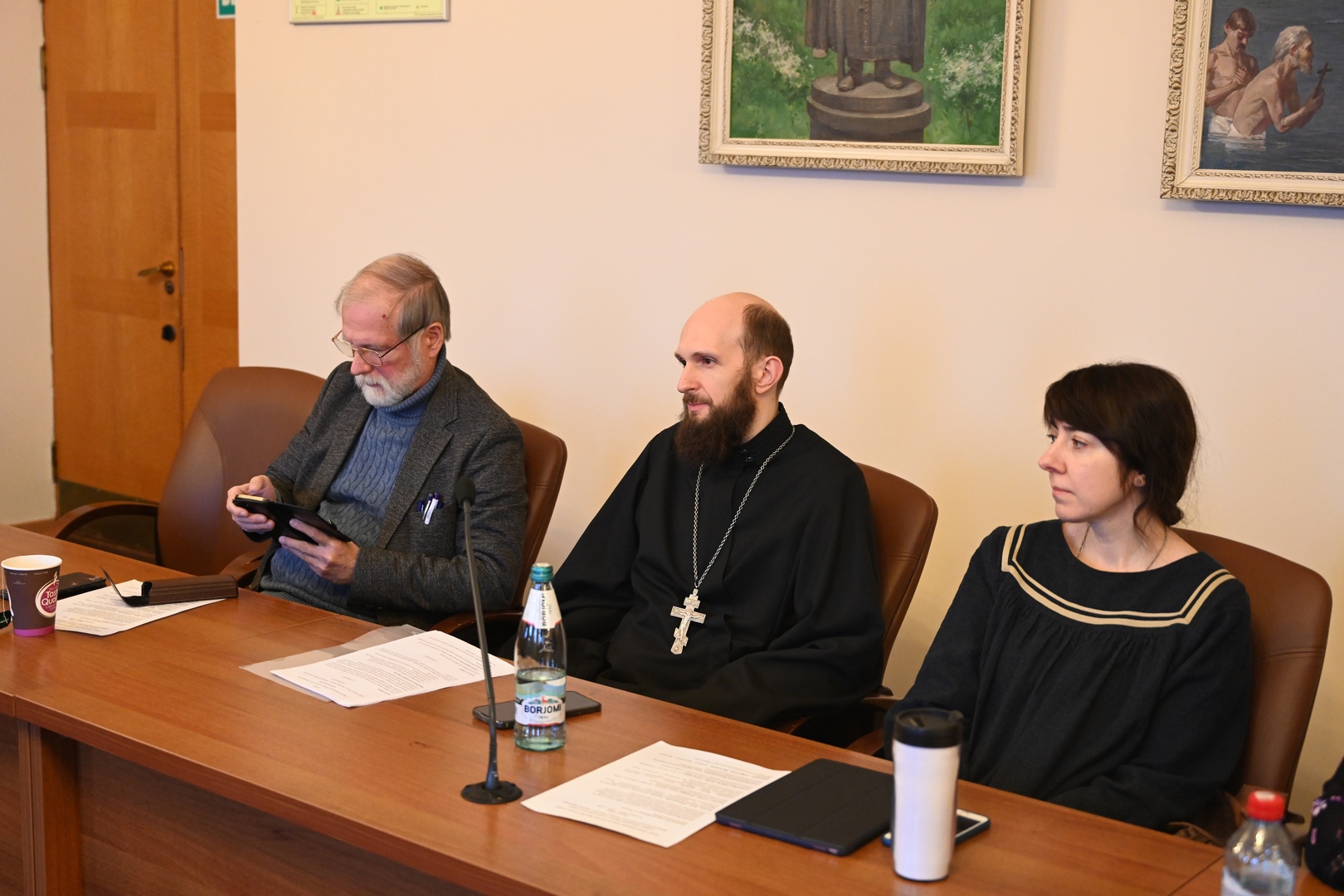
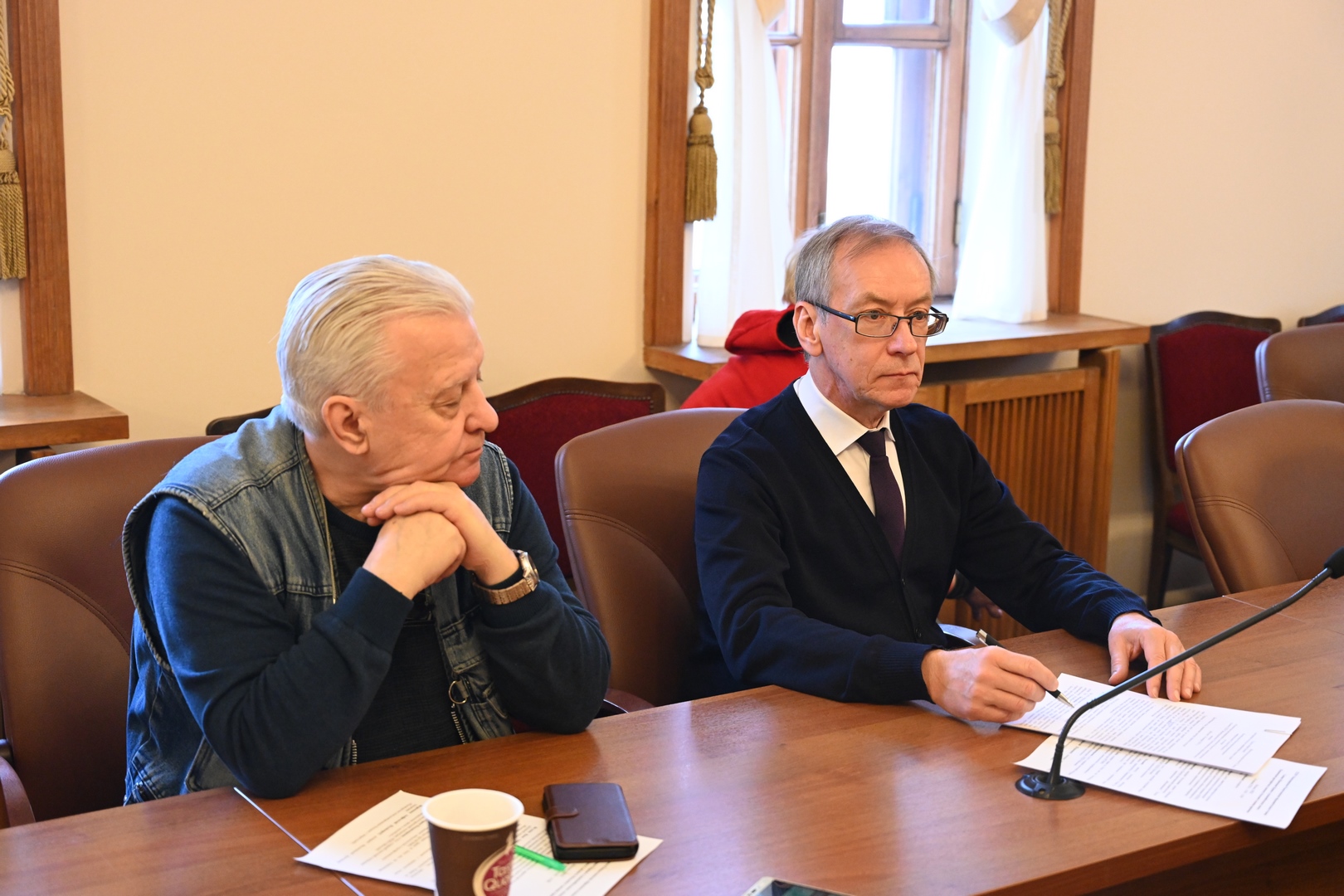
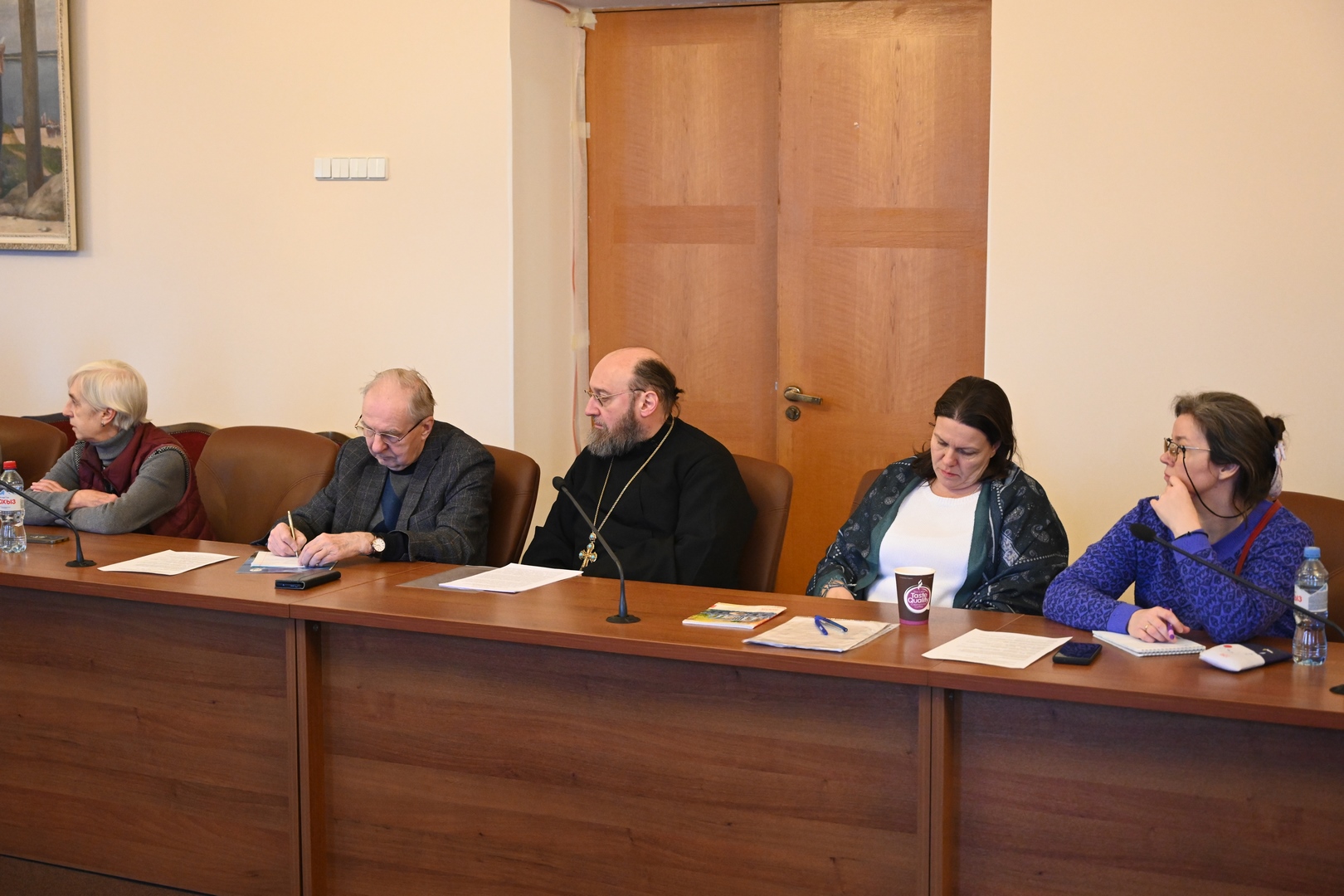
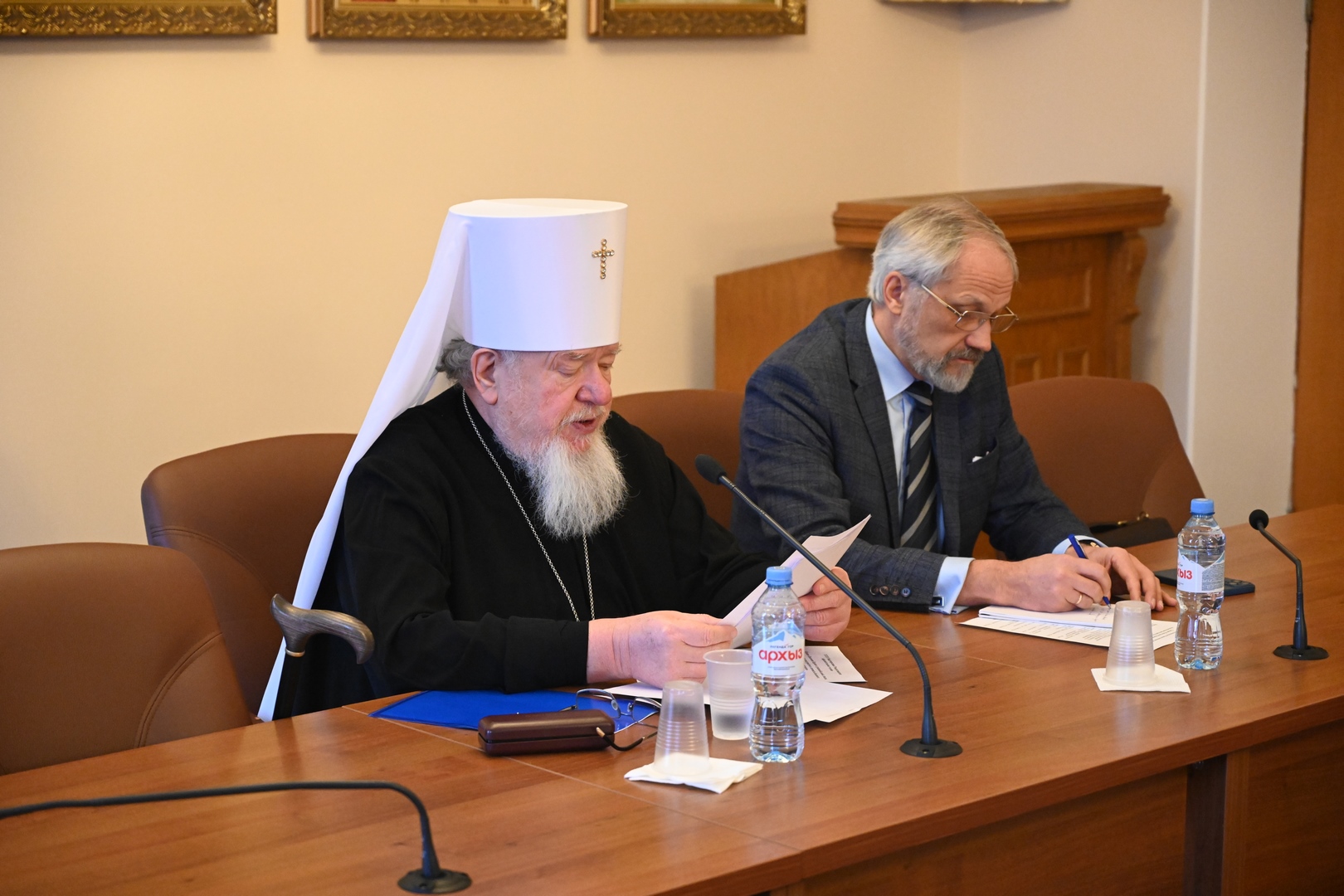
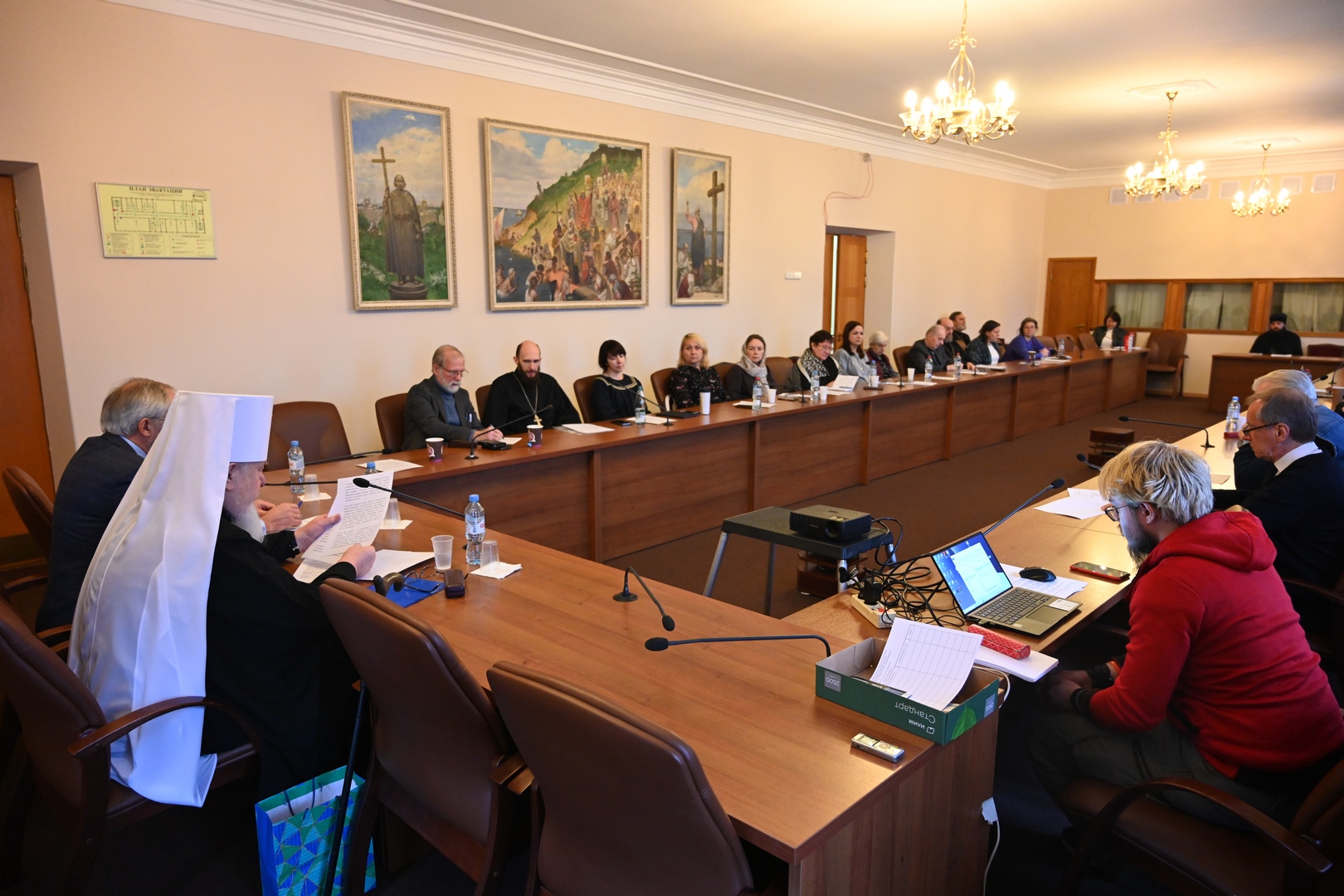
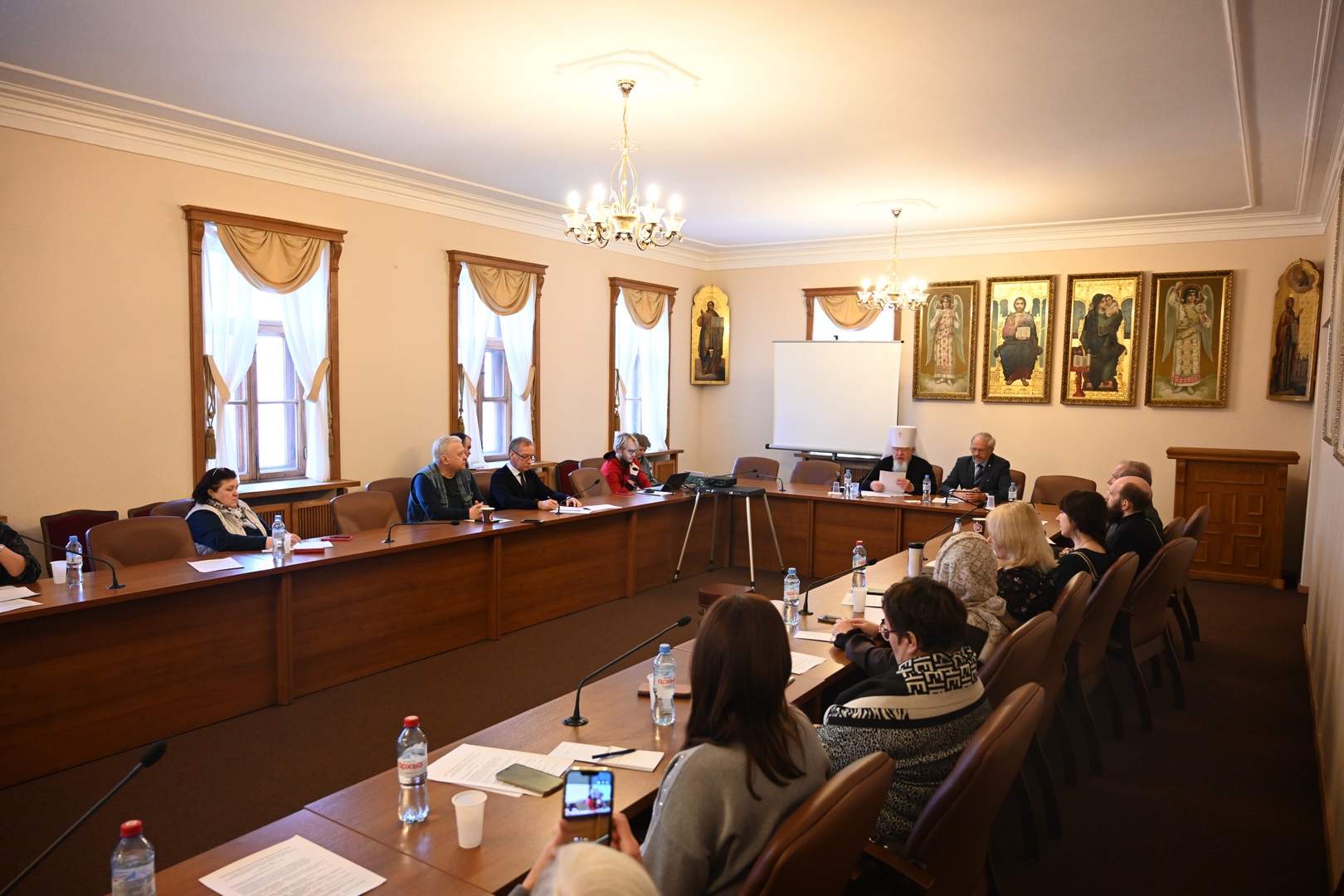
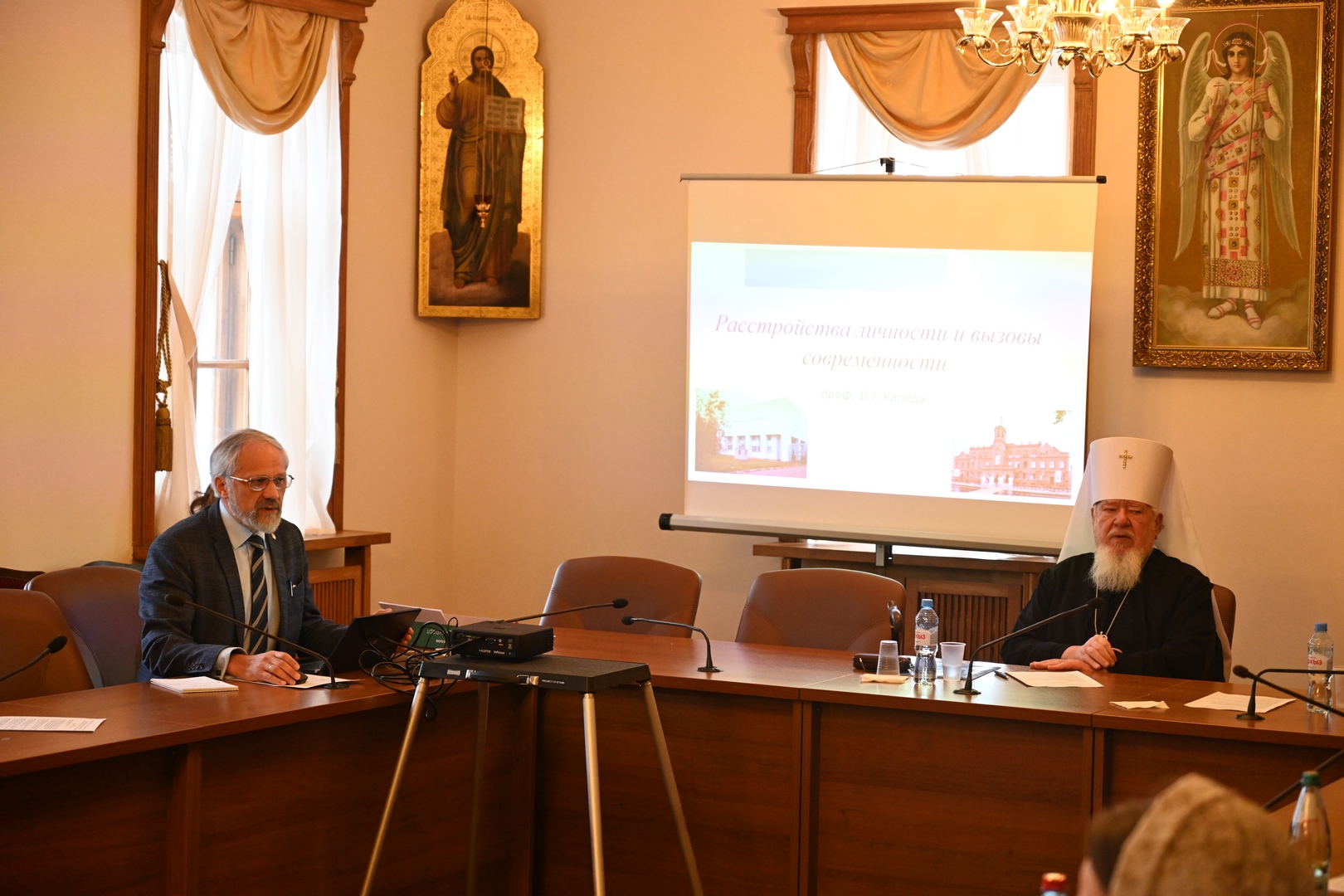
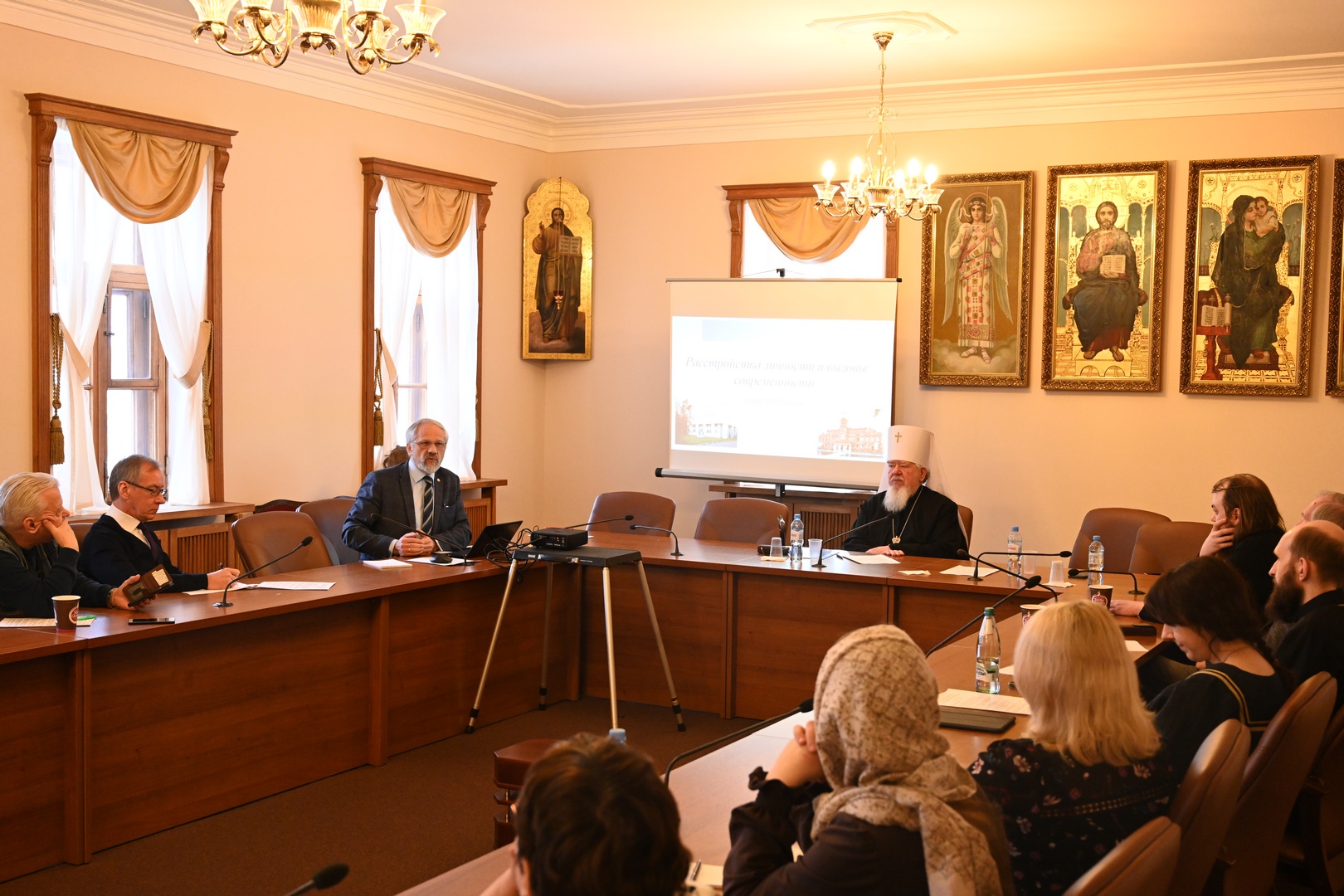
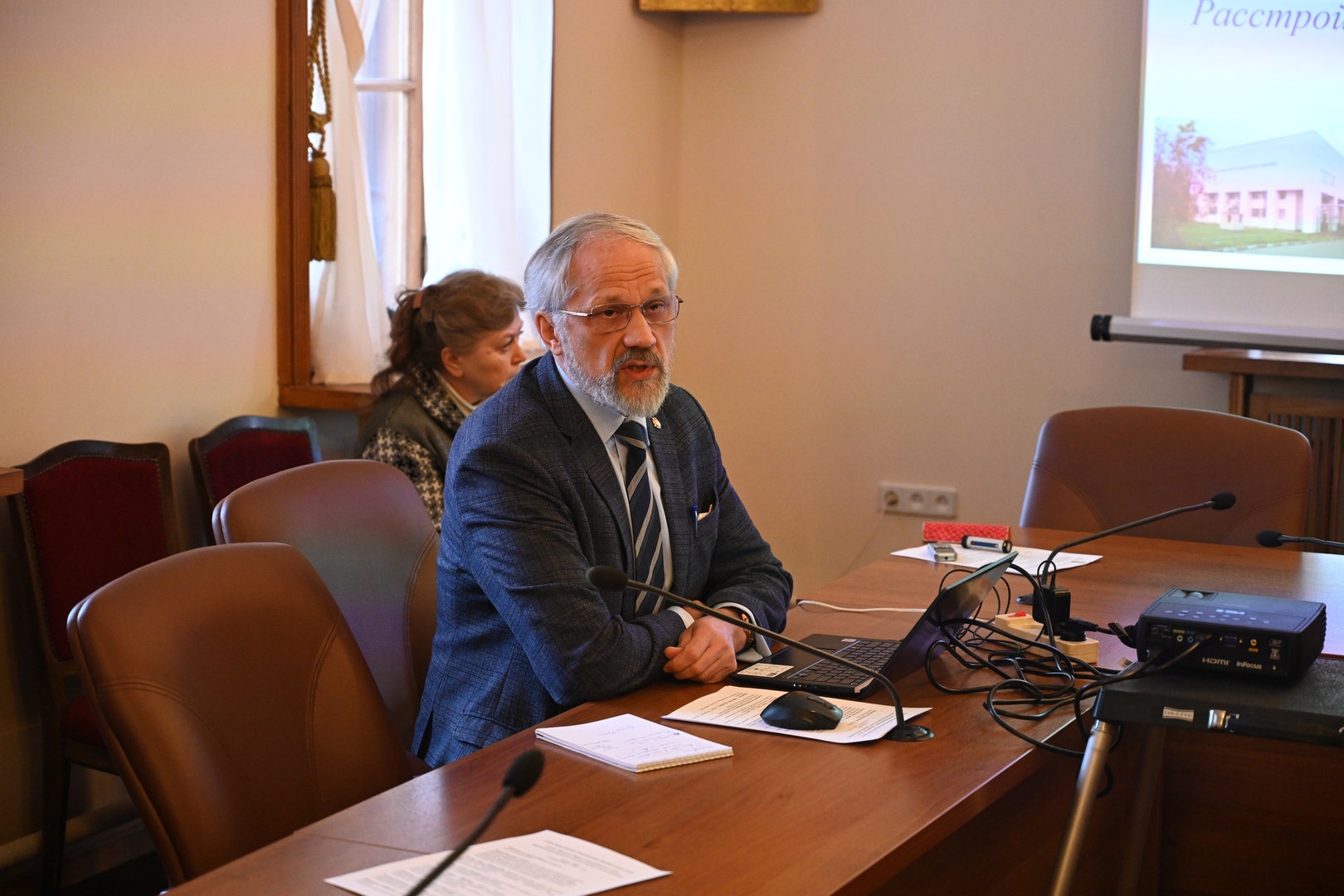
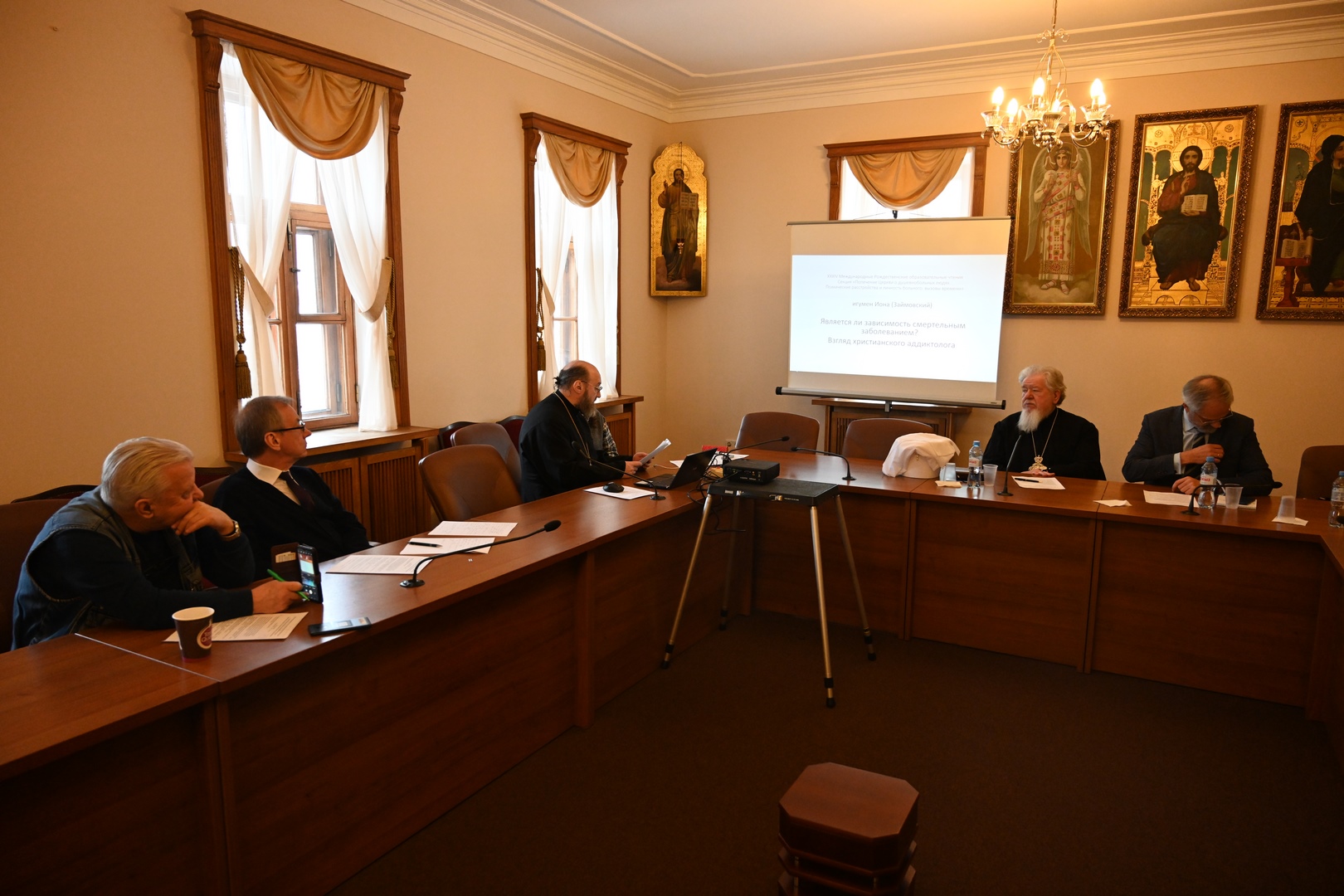
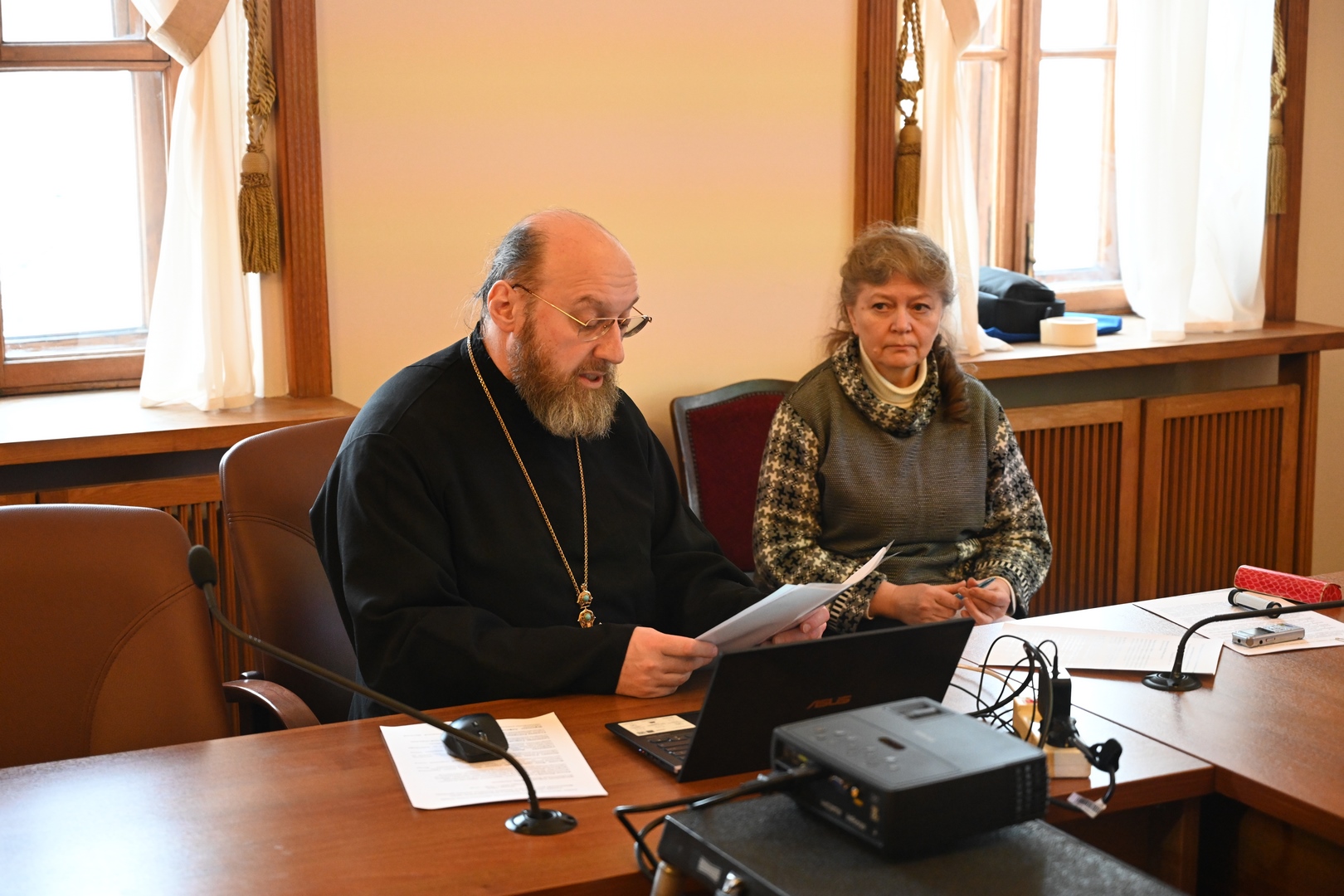
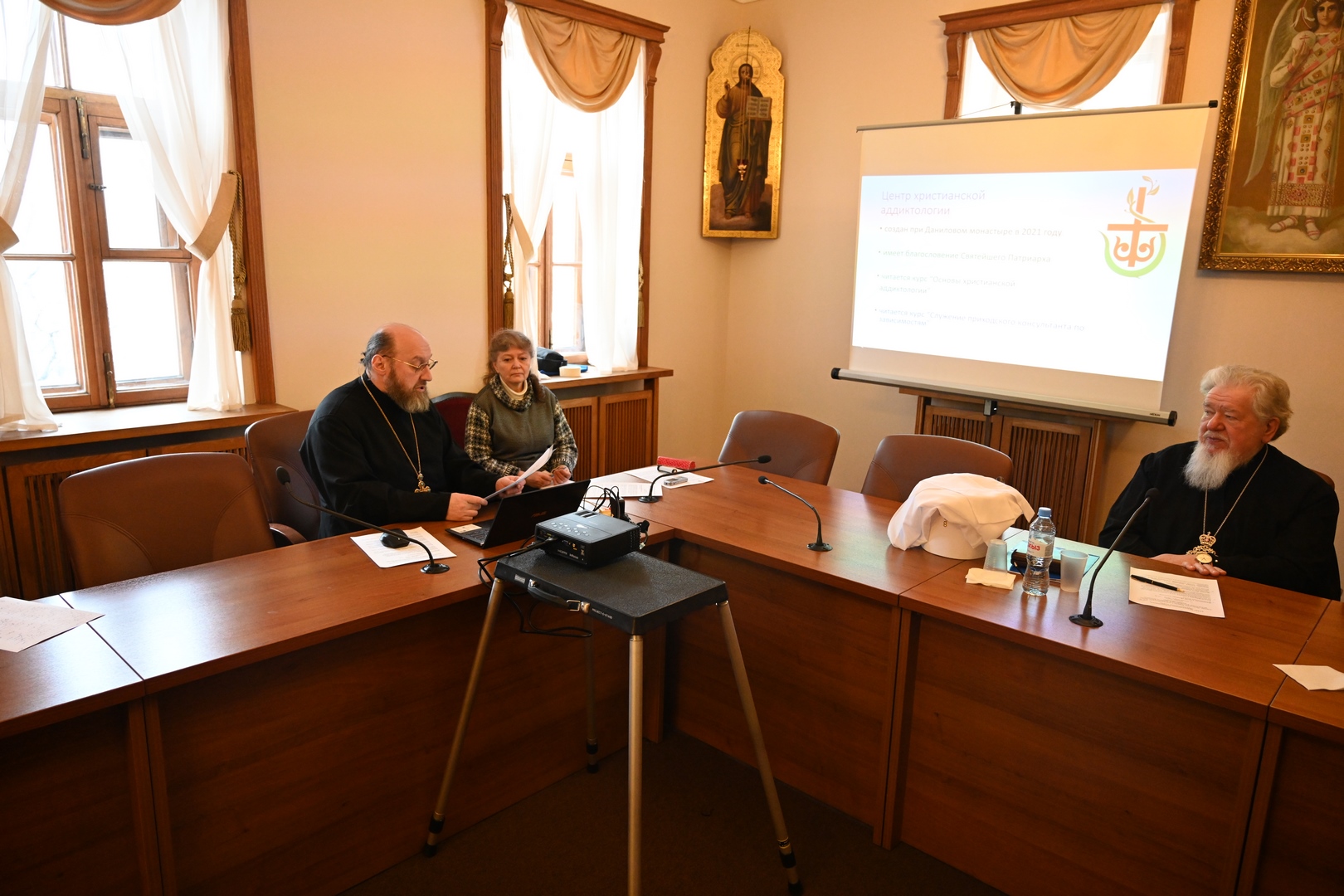
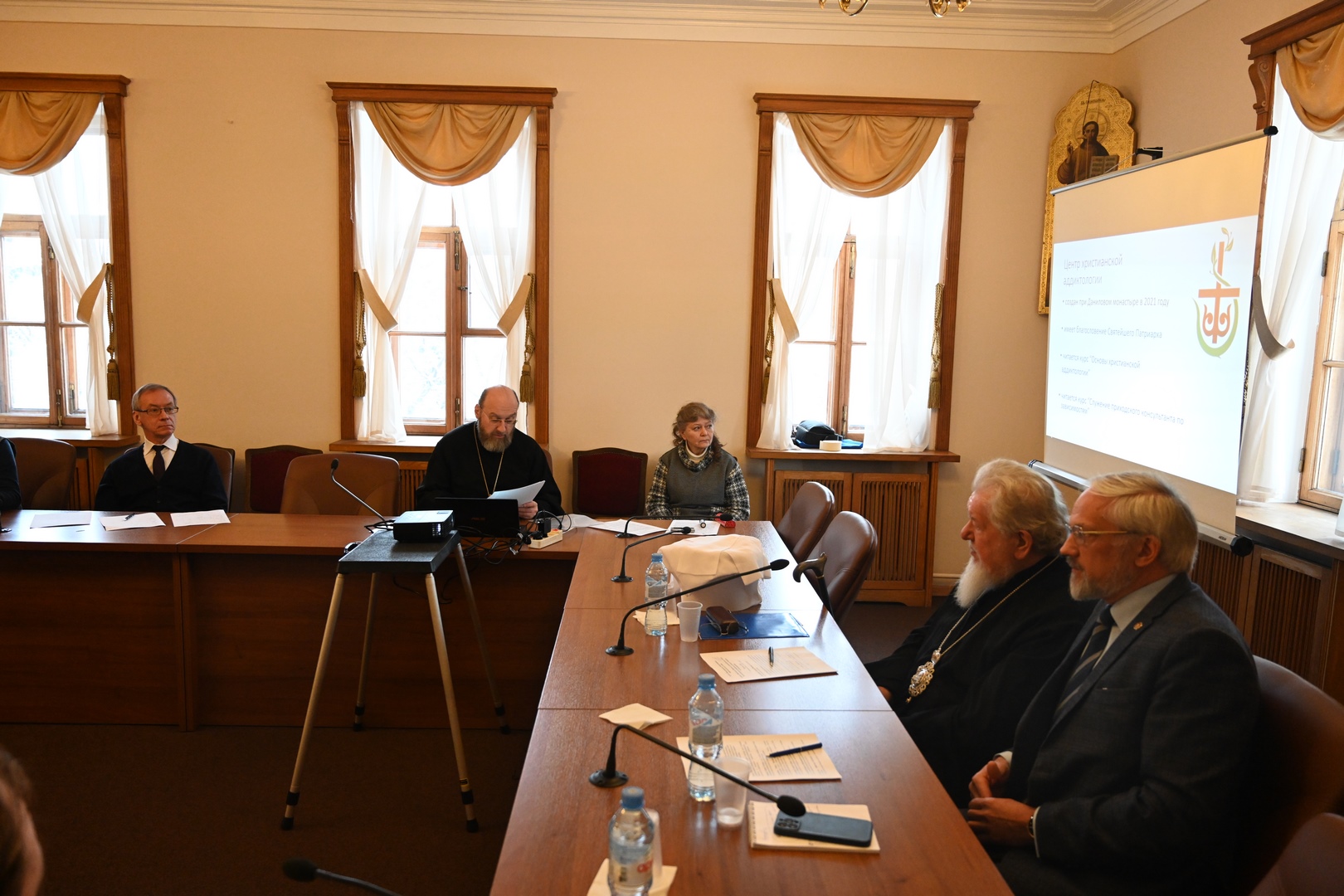
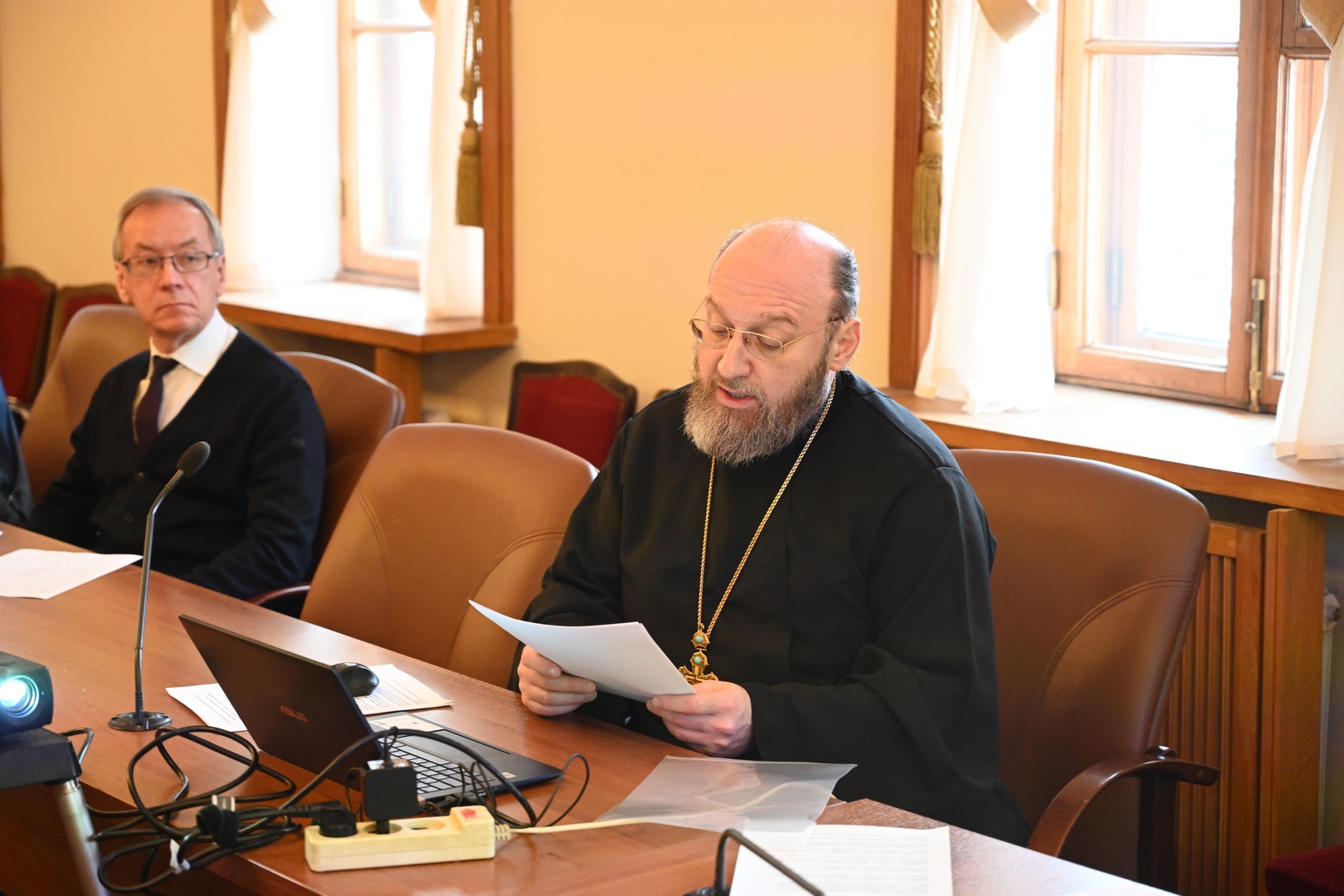
DECR Communication service, 31.01.2026.
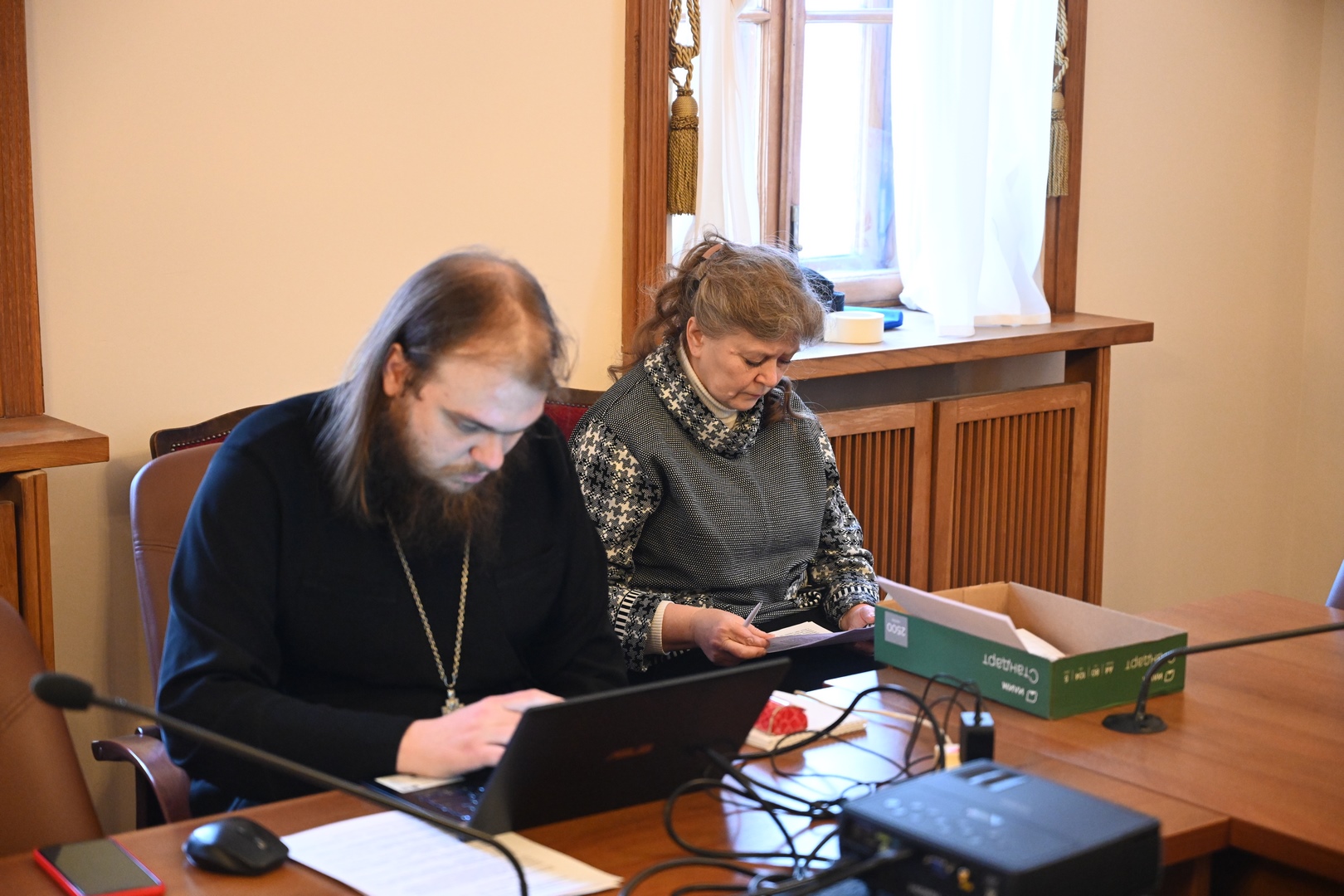
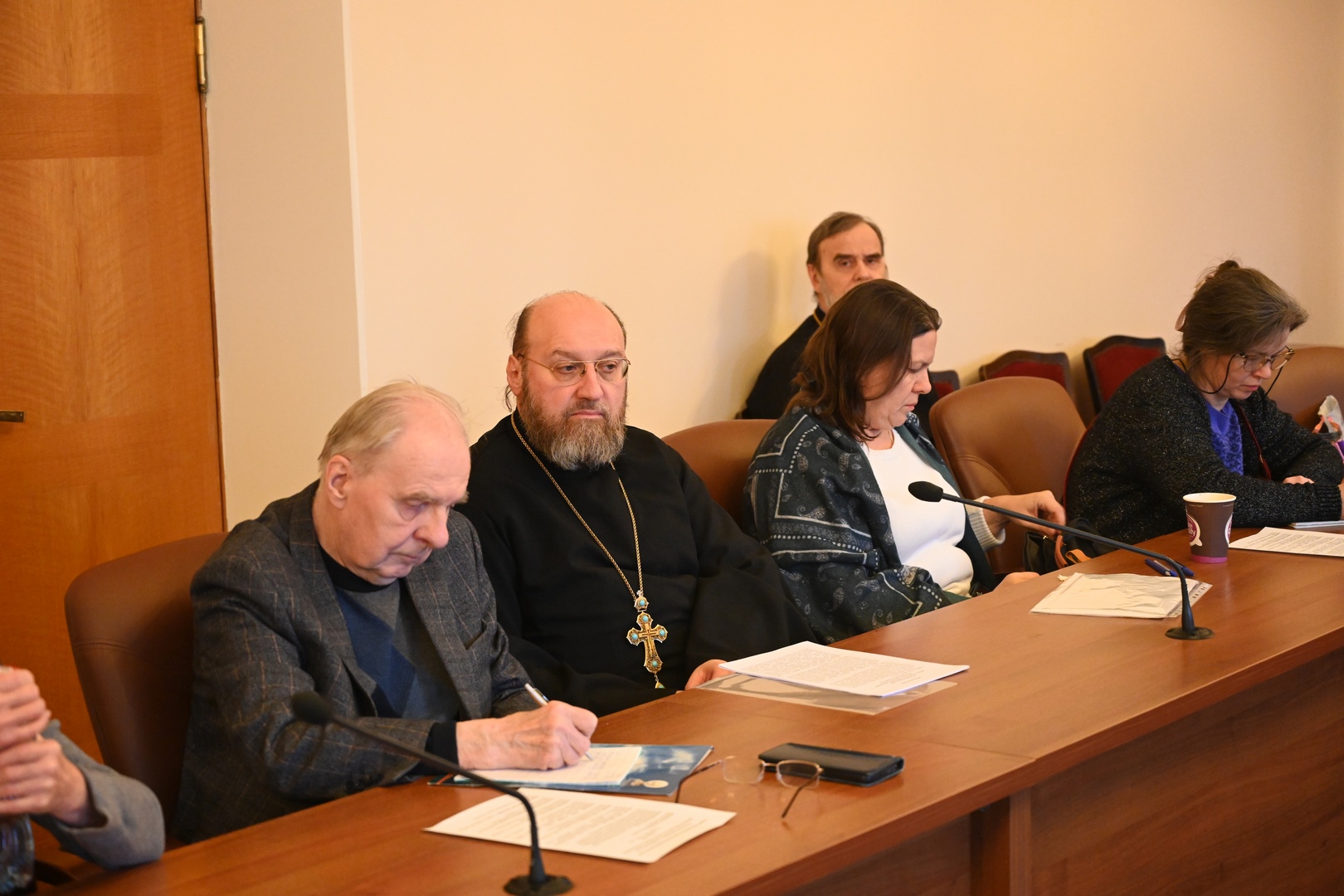
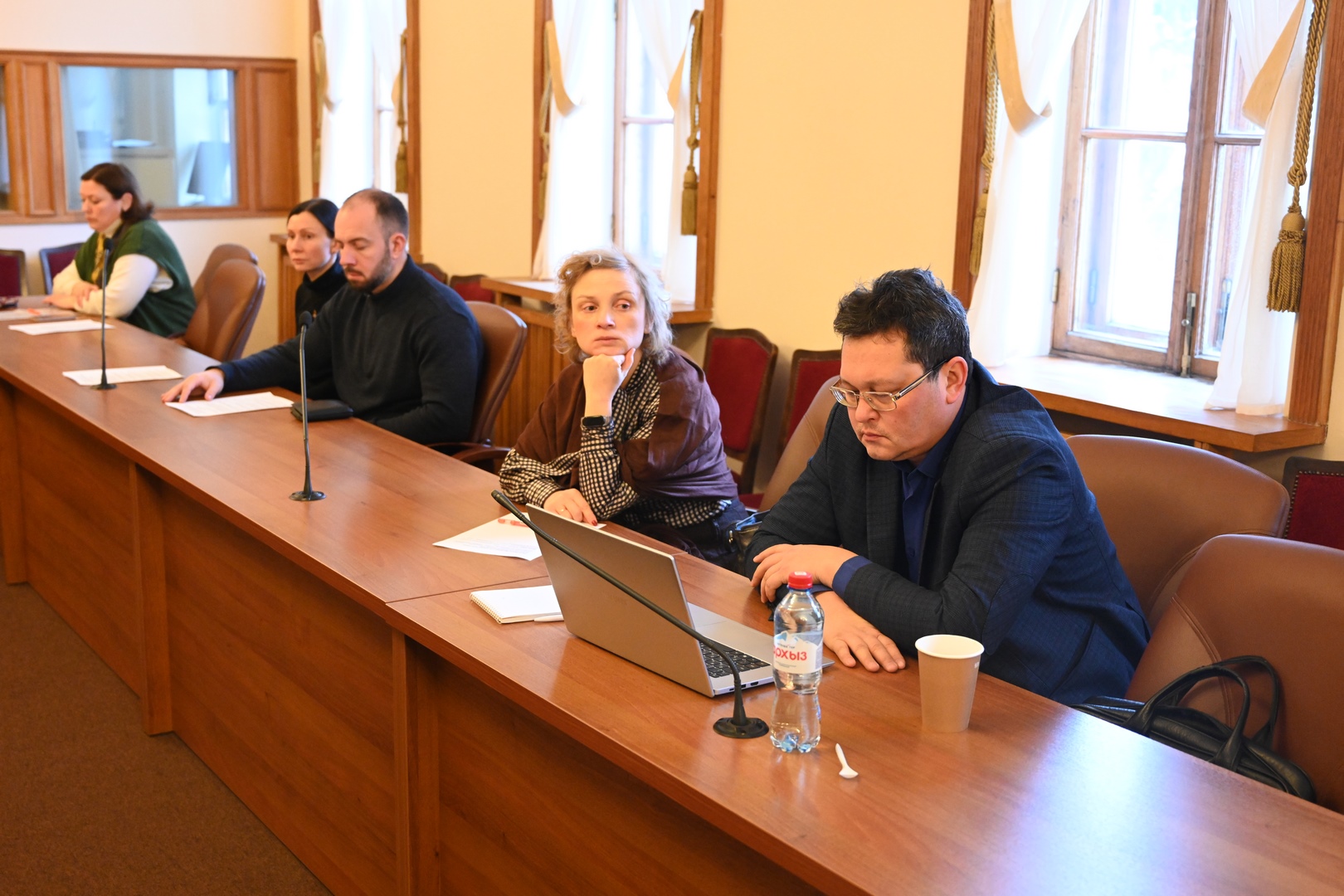
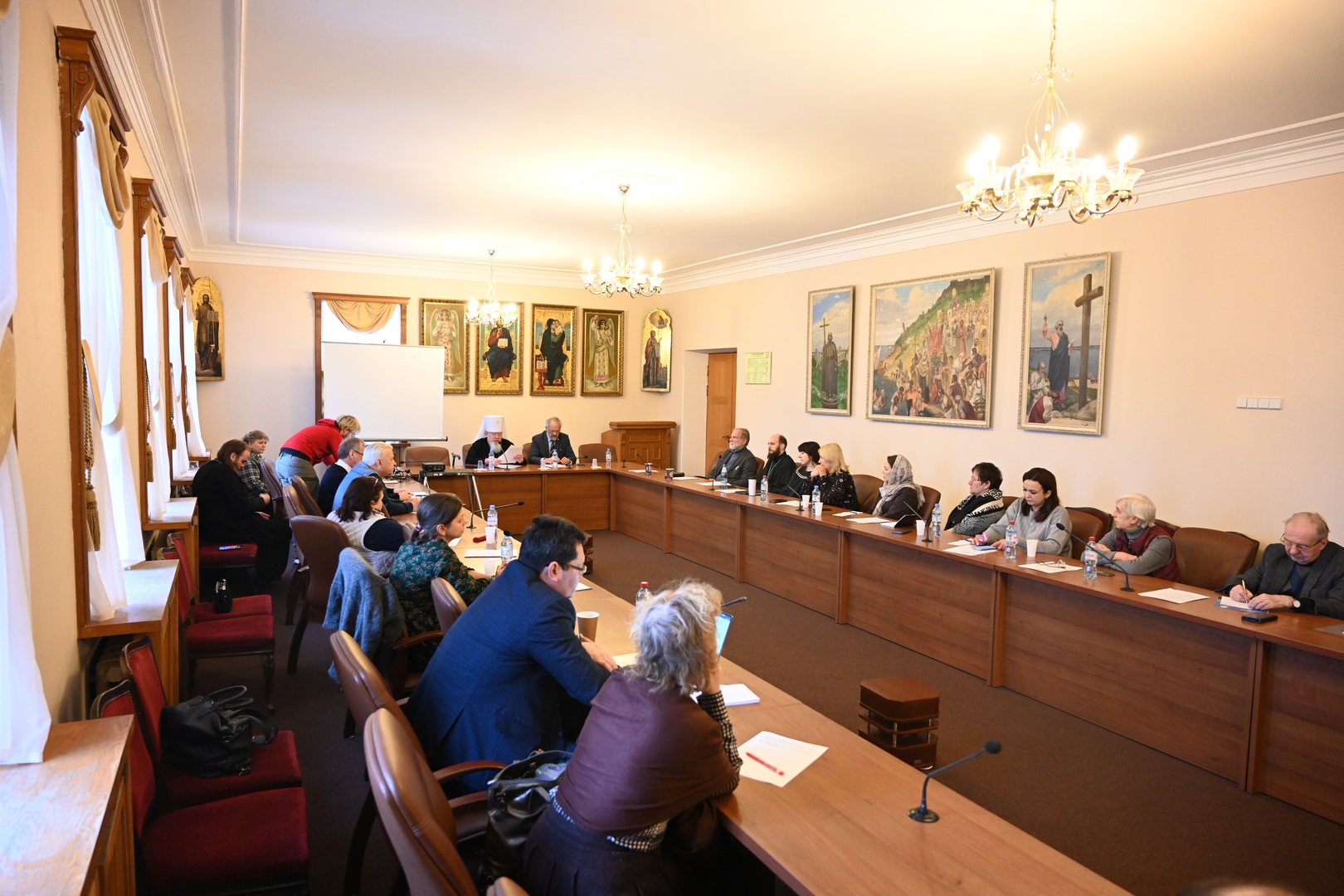
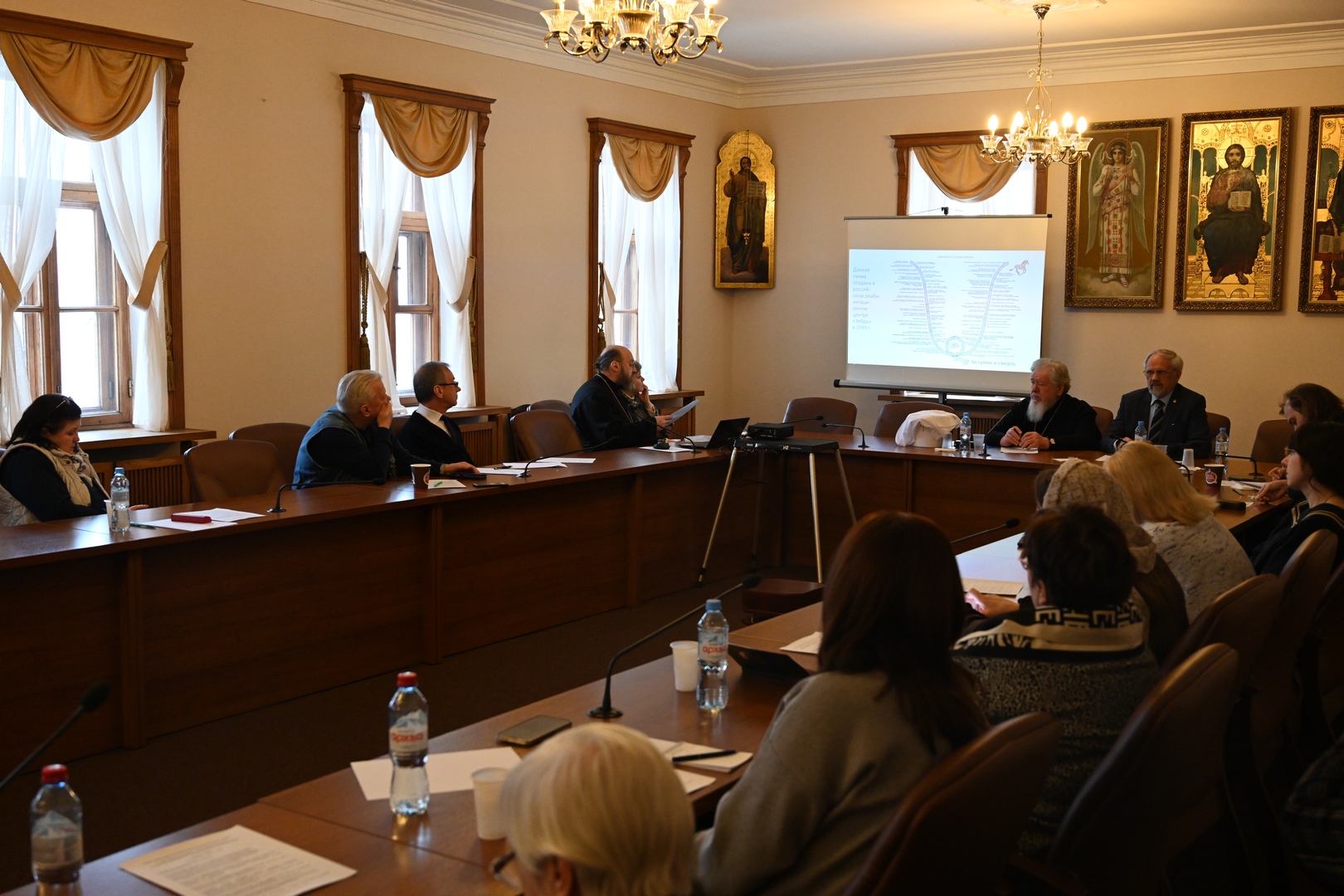
On January 24, 2026, a section of the 34th International Christmas Educational Readings took place at the Department for External Church Relations of the Moscow Patriarchate on the topic: “The Church’s Care for People with Mental Illness. Mental Disorders and the Personality of the Patient: Challenges of Our Time.”
The section was jointly organized by the Department for External Church Relations, the Commission on Church Enlightenment and Diakonia of the Inter-Council Presence –within which an expert working group on pastoral care for people with mental illness operates – as well as by the Mental Health Research Center. Section meetings on this issue have been held annually since 2018.
The meeting was chaired by Metropolitan Sergiy (Fomin), head of the expert working group. The section was curated by M.B. Nelyubova, secretary of the Commission on Church Enlightenment and Diakonia and an employee of the Department for External Church Relations.
About 40 people took part in the section’s work – clergy and laity fr om 10 dioceses of the Russian Orthodox Church, representatives of the Roman Catholic Church and Protestant communities, academic psychiatrists, staff of the Mental Health Research Center (MHRC), the Pirogov Russian National Research Medical University, the Serbsky National Medical Research Center for Psychiatry and Narcology, state and public organizations, physicians, church social workers, and students of theological and secular educational institutions.
In his introductory report, “Saving the Image of God: A Pastoral View on Contemporary Teachings about the Soul,” Metropolitan Sergiy noted that Orthodox Tradition defines mental health as a state of the person striving for union with Christ, capable of communion with God, love, good deeds, repentance, and hope. Mental disorders are the suffering of fallen nature, distorting the relationship with God and with other people. Of particular danger is demon-likeness – a voluntary assimilation of one’s will to fallen spirits, leading to sinful corruption and spiritual death. Modern society, by cultivating absolute “freedom” and self-assertion, generates loneliness, anguish, and aggression, becoming a source of mental ailments. The widespread teaching on “self-actualization,” which proclaims the realization of one’s potential as the highest goal of life, turns the human “self” into the measure of all things and reduces God to merely a “psychological projection,” opening a direct path “to spiritual blindness and grievous passions, the root of which is demonic pride.” The popular idea of “effective functioning” in society as a criterion of mental and physical health fails to take into account that society itself may be spiritually ill and also leads away fr om the true path. These false teachings do not heal but aggravate illness, depriving suffering of meaning and reinforcing egoism. The hierarch warned against the temptation to misinterpret trichotomy (spirit, soul, body), replacing “the integrity of the human person with yet another scheme and presenting a person as consisting of three ‘parts’ – separate and almost materially tangible.” “Fr om the Holy Gospel we know that our Lord Jesus Christ Himself healed not an abstract ‘soul’ or ‘spirit,’ but whole people: the blind, the lame, the demon-possessed. He restored their wholeness. In the same way, the clergy help a person freely build a right relationship with God, struggle with passions, and care for the integral personality seeking salvation, rather than for some isolated ‘spiritual component’ of a person.”
He named three main directions for the joint response of medical professionals and clergy to contemporary challenges in the sphere of mental health:
– counteracting the suffering of human nature, that is, opposing the very manifestations of mental illness, wh ere “medicine and psychotherapy are essentially God-given means for healing damaged nature.”
– counteracting the influences of the world: personal ascetic effort, “hygiene of the soul”—informational restraint, rootedness in church life, prayer, the gift of discernment, and learning love.
– counteracting demonic possession: recognizing the reality of the influence of dark forces on the weakened soul. This requires conciliarity, trust in the Church on the part of physicians, and cooperation between the spiritual father, psychiatrist, and psychologist.
The common task along this path is to equip pastors and physicians with the patristic understanding of the human person, so that each may become a warrior of Christ, capable of discerning evil and offering true help that leads to communion with God.
The text of Metropolitan Sergiy’s address is provided below.
V.G. Kaleda, Doctor of Medical Sciences, Deputy Director for Scientific and Organizational Activities and Head of the Department of Adolescent Psychiatry at the Mental Health Research Center, Professor, and Chairman of the Section on Clinical Psychiatry of Religiosity and Spirituality of the Russian Society of Psychiatrists, delivered a report entitled “Personality Disorders and the Challenges of Modernity.” Speaking about mental health as a person’s ability to cope with life’s stresses and to realize their potential, he noted that many contemporary researchers recognize that religious values are of immense importance for a person’s inner harmony and mental health. The loss of value orientations and moral degradation are among the causes of the emergence of mental disorders, the appearance of new forms of addictions, and the high level of stress factors in the life of a modern person. Among the main challenges of our time, he identified the growth in anxiety-depressive disorders, the epidemic of post-traumatic stress disorders, declining birth rates, increasing life expectancy, and changes in life patterns. The aging of the population is accompanied by an increase in dementia. Worldwide, about 350 million people of all age groups (around 5% of the population) suffer fr om depression. In Russia, the number of people with this condition is approaching 9 million. The speaker also touched on the characteristics of different generations and their responses to the challenges of their time, including problems of alcoholism, aggression, and others. He noted the rise of internet addiction, which is becoming a serious social problem, and also addressed the topic of artificial intelligence as a new challenge that affects people’s cognitive abilities while at the same time opening up new opportunities.
V.G. Kaleda also focused separately on the issue of mutual understanding and interaction between clergy and psychiatrists, and on the need to study psychiatry in theological educational institutions and religious culture in medical ones. He noted: “It is not surprising that among people who come to church, there are more individuals with mental disorders than in the general population. After all, the Church is a place of healing. If we were to say that only healthy people should be in a hospital, then what kind of hospital would that be?.. At present, many general church documents clearly state that a priest should know psychiatry; a course in pastoral psychiatry is taught in theological educational institutions, and a manual for clergy, ‘Fundamentals of Pastoral Psychiatry,’ has been published.”
Igumen Iona (Zaymovsky), Candidate of Theology, Associate Professor of the Sretensky Theological Academy, and Head of the Center for Christian Addictology, delivered a report entitled “Is Addiction a Fatal Disease? A View of a Christian Addictologist.” He noted that alongside alcoholism and drug addiction, which are obviously life-threatening diseases, there also exist behavioral addictions (gambling, sex addiction, etc.). Using a biopsychosocial approach grounded in Christian spirituality, he broadly interprets death fr om any type of addiction not only as physical but also as spiritual, manifested in damage to the social and psychological spheres. The key concept examined in the report is lack of control (an irresistible craving, obsession), which is a marker of destructive addictive behavior and which arises fr om the loss of control over use. “Lack of control cannot be explained exclusively by social, psychological, or psychiatric causes. It seems to be rooted in the very mystery of the human person and represents a phenomenon of a spiritual order.” According to the speaker, lack of control is in fact being controlled by certain spiritual forces behind addiction that push a person toward biological, social, psychological, and spiritual death. “The main message of Christian addictology is: God heals fr om addiction. God frees from lack of control those who turn to Him… But the power of addiction is great. That is why an addicted person must show perseverance, persistence, steadfastness, faithfulness, and faith. That is why rehabilitation programs and self-help groups are important,” the speaker concluded.
U.O. Popovich, Candidate of Medical Sciences and Senior Researcher of the Department of Adolescent Psychiatry at the Mental Health Research Center, spoke about mental disorders among modern youth. She noted that adolescence is characterized by the formation of worldview, increased interest in existential questions, and a tendency toward risky behavior. During this period, there is an increase in anxiety and depressive disorders: about 30% of young people experience anxiety, and 20% experience depression. External risk factors include social pressure, academic workload, cyberbullying, and the consequences of the COVID-19 pandemic; internal risk factors include hormonal changes, genetic predisposition, and the immaturity of stress-coping mechanisms. Among young people, the most common are anxiety disorders, eating disorders, addictions, and non-suicidal self-injury. An important issue is youth suicide. Suicidal behavior among young people is caused by internal conflicts, social stress, and mental disorders (depression, bipolar disorder, PTSD, borderline personality disorder, schizophrenia). In 80–90% of suicide cases, there are mental disorders. Signs of suicide risk include talking about death, isolation, changes in behavior and mood. Prevention and treatment require a comprehensive approach: psychotherapy, medication, family support, raising awareness, and improving access to care. It is important to develop emotional literacy, create a supportive environment, and expand psychological services for young people. Early diagnosis and timely assistance significantly increase the chances of successful treatment and rehabilitation.
Priest Ioann Melnik, Master of Theology, rector of the church in honor of the Hieromartyr Seraphim Chichagov in the city of Lobnya, and Chairman of the Diocesan Department for Culture of the Sergiev Posad Diocese, delivered a report on the topic “Pastoral Assistance of a Priest in Coping with Grief (the Experience of Metropolitan Anthony of Sourozh).” He noted that in a state of grief arising from the loss of a loved one, people often seek support in the Church and turn to a priest. Using the example of the pastoral experience of Metropolitan Anthony of Sourozh, Father Ioann proposed a strategy for combining certain psychotherapeutic approaches with pastoral work to help a grieving person: to bring them out of the state of grief and to achieve psychological and spiritual stabilization. He set out in detail recommendations for providing pastoral assistance to a grieving person, which combine a biblical and patristic perspective with certain recommendations from modern psychotherapy. He emphasized that spiritual assistance is effectively received by a person when it is timely and responds to their needs. A pastor, by borrowing certain knowledge from psychotherapy, can more effectively help the grieving person, taking into account the characteristics of their personality. In the pastoral experience of Metropolitan Anthony in comforting the grieving, there are elements similar to psychotherapeutic ones. He does not systematize his experience but gives a theological evaluation of the mechanisms used in the process of consolation. The experience of the hierarch shows that pastoral means have functions similar to psychotherapeutic coping strategies, are effective, and can be integrated into the methodological system of priestly assistance to the grieving. His pastoral approach and openness to scientific knowledge make possible discussion and cooperation between pastor and psychotherapist.
Father Ioann noted that a priest should not assume the role and competence of a psychiatrist or psychotherapist, especially when it comes to the pathological course of grief – in such cases, a person should be immediately referred to a competent specialist. “Psychotherapeutic work with grief relies on systematic knowledge, which is supplemented by various practices aimed at bringing the patient out of a pathological state and resolving the main conflicts. In turn, religious experience has its own means designed to alleviate the experience of death and to cope with grief. By assimilating scientific experience, a priest has the opportunity to carry out deeper, more systematic, and timely work with the grief of a person who has turned to him for help.”
The presentation of Priest Georgy Dumbi, a cleric of the Patriarchal Metochion – the Church of the Holy Blessed Grand Prince Alexander Nevsky at MGIMO – on the topic “Religious Trauma Syndrome: Relevance and Prevention” was devoted to examining the psychological state that arises as a result of destructive religious practices: prolonged staying under conditions of rigid religious rules, intimidation and restriction of freedom of choice on the basis of faith, humiliation and devaluation of the individual. Religious trauma syndrome arises not because of faith itself, but because of how faith is transmitted and applied in a destructive form. This syndrome has much in common with other types of trauma, such as betrayal trauma or complex post-traumatic stress disorder. Its main manifestations include: anxiety and fears, loss of identity, depression and apathy, loss of interest in life, lowered self-esteem, and others. Religious trauma syndrome can significantly aggravate or even underlie other mental disorders, such as post-traumatic stress disorder, obsessive-compulsive disorder, and eating disorders. Scientific research confirms that religious trauma syndrome is not a matter of isolated cases, but a significant psychological problem which, in some countries, affects a considerable percentage of the population.
E.V. Gedevani, Candidate of Medical Sciences and Senior Researcher of the Department of Transcultural Psychiatry at the Mental Health Research Center, devoted her presentation to the topic “Existential Crises and Youth.” The states that almost every person encounters throughout life – existential crises – can vary in intensity: from “normal” to conditions with severe psychopathological disorders. In the first case, they pass on their own or require short-term psychological correction, leading a person to the discovery of new meanings in life. In severe cases, when critical episodes are accompanied by the development of mental pathology, medical involvement and psychotherapy are required. Such crises are most severe at a young age. Researchers propose using several types of psychotherapy to overcome this phenomenon: existential, meaning-centered, and understanding-oriented. Religiosity and spirituality have a significant protective effect against existential distress, depression, and suicidal behavior. Unfortunately, in recent years, young people have been moving away from traditional religiosity.
Hieromonk Amphilochius (Pushkarev), a postgraduate student of the Moscow Theological Academy, presented a report on the topic “Pastoral Counseling of Patients with Depression.” He noted that according to the World Health Organization, more than 280 million people worldwide suffer from depression; between 1990 and 2021 their number increased by 56%, and suicide, often associated with depression, remains the second leading cause of death among young people aged 15–29. Each year there is an increase in the number of suicide attempts among children and adolescents: thus, in the age group from 15 to 29, suicide is one of the leading causes of death. Russia leads in adolescent and child suicides. According to data from the Investigative Committee of the Russian Federation, in 2021 the number of child suicides increased by 37.4% compared to 2020 and amounted to 753 cases versus 548 cases respectively.
There is a significant gap between the actual prevalence of depression and the number of people receiving professional psychiatric care: 32% of the population worldwide report symptoms of mental disorders, 20% officially suffer, 5.5% have established diagnoses, and only less than 2.5% are under the supervision of psychiatrists. Despite the development of pharmacology and psychotherapy, the healthcare system is not coping with the scale of the problem.
An important omission is the ignoring of the spiritual dimension of depression, which is present in most cases. The speaker considers it important to expand the traditional biopsychosocial model to a biopsychosociospiritual one, including the spiritual component in order to increase the effectiveness of treatment. Spiritual well-being plays a significant role in the prevention and treatment of depression. It provides a 40% reduction in the risk of developing depression and acts as a powerful protective factor. Integrated spiritual treatment shows 30–35% better results compared to standard therapy. Existential factors, such as the meaning of life and purpose, demonstrate a stable inverse correlation with depression.
The Russian Orthodox Church considers mental illnesses as a manifestation of the sinful distortion of human nature and emphasizes the importance of pastoral care, which should be combined with medical assistance. The report lists signs of depression in which priests should recommend seeking help from psychiatrists, as well as common misconceptions among believers that hinder treatment.
The role of the priest in the process of treating depression is multifaceted. It includes support in obtaining professional help, assistance in understanding the illness, work with relatives, and interaction with medical specialists. Pastoral care is viewed as a unique resource for diagnosis, increasing adherence to treatment, and providing spiritual support to patients, contributing to their recovery and the preservation of a sense of love and dignity. In conclusion, the need for shared responsibility of the clergy and medicine in matters of mental health is emphasized.
N.V. Lazko, Candidate of Medical Sciences and an employee of the V.P. Serbsky National Medical Research Center for Psychiatry and Narcology of the Ministry of Health of Russia, delivered a report entitled “Features of Mental Disorders in Accordance with the ‘Syndrome–Personality–Situation’ Concept under Conditions of Active Fraudulent Activities against the Background of the Ongoing Special Military Operation.” Her presentation was devoted to the problem of the influence of fraudulent activities on the mental state of persons with chronic mental disorders. She noted that mentally healthy individuals who have been subjected to fraudulent actions develop adjustment disorders. In elderly people with mild disorders, more severe conditions develop as a reaction to the actions of fraudsters – organic personality disorders and non-psychotic mixed disorders of organic nature. People who initially had severe mental disorders are more vulnerable; their reaction to fraudulent actions may be ambiguous, their mental illness may worsen, and they may commit socially dangerous acts, as a result of which compulsory medical measures may be applied to them. Believers may experience a prolonged and severe spiritual crisis. Natalia Viktorovna noted that in the current tense social situation, joint actions of a psychiatrist, psychologist, and priest are necessary, as well as the involvement of social service workers, law enforcement officers, and volunteers, in order to overcome the consequences of fraudulent activities affecting people with mental disorders.
A.I. Magay, Junior Researcher of the Department of Transcultural Psychiatry at the Mental Health Research Center, spoke about a spiritually oriented approach in counseling families with mental disorders. The speaker noted the characteristics of the psycho-emotional life of such families, including stigmatization and intra-family stereotypes, and described a method of group counseling based on a spiritually oriented approach following Florenskaya’s dialogical model, which includes the stages of listening, formulating the request, providing spiritual support, and feedback. This method implies group counseling for families with mental disorders, which includes a structured conversation based on general principles of counseling with elements of spiritually oriented dialogue. The goal of this counseling is to provide psychological support to members of the aforementioned families, drawing on the theory of religious coping strategies. He noted the particular importance of a multidisciplinary team (physician, psychologist, priest) and of religious coping strategies. The report presents research results confirming the effectiveness of spiritually oriented methods in rehabilitation, as well as adapted questionnaires for assessing spirituality and religiosity in patients. The outcome of this work is an improvement in the social functioning of families, a reduction in relapses, and increased awareness among relatives about methods of support.
“Saving the Image of God: A Pastoral View on Contemporary Teachings about the Soul”
Address by Metropolitan Sergiy (Fomin) at the session of the section “The Church’s Care for People with Mental Illness. Mental Disorders and the Personality of the Patient: Challenges of Our Time.”
Reverend fathers, esteemed doctors, brothers and sisters!
I cordially greet all of you at our section, called to discuss one of the most complex and sorrowful problems of modern humanity: mental disorders. We are called to speak about the suffering human soul in an era which, in the words of the Apostle, may be called a time of “falling away” (2 Thess. 2:3). Over many years of service, including in heterodox lands, I have more than once had the opportunity to see with my own eyes how a society that has fallen away from the patristic tradition and spiritual roots itself becomes a breeding ground for mental ailments. At the same time, we also know with what eagerness people return to the spiritual and intellectual heritage of the Church of Christ after decades of atheism.
From the point of view of Orthodox Tradition, true mental health is not simply the absence of a sorrowful list of diagnoses. It is a living, grace-filled state of the person striving for union with Christ as the Source of life and our Savior. The health of the soul is, first of all, the capacity for communion with God. The capacity for love, for the creation of good deeds, for saving repentance, for unshakable hope, for the rejection of self-will. All these are the fruits of a grace-filled connection with the Giver of Life.
Illness, on the contrary, is the rupture, the damage of this connection. A mental disorder is a grievous suffering of fallen human nature that darkens and distorts this salvific communion with God and with other people. A suffering soul may lose a sense of reality and sound judgment, may plunge into an abyss of despondency, faint-heartedness, or futile rage.
But there is a damage far deeper and more destructive than the suffering of the soul. This is demon-likeness, a special state of a person consisting in the voluntary assimilation of the human will to the will of fallen spirits. It manifests itself in a striving for sinful corruption: the corruption of oneself through passion, the corruption of relationships with others through egoism, the corruption of the very connection with God through pride. This is a state of voluntary spiritual orphanhood, spiritual self-will, which in its essence is the death of the soul. Observing the structure of modern society, we see with bitterness how the idol of absolute “freedom” from all moral bonds and the cult of self-assertion are being elevated to the rank of a new norm. These forms of social life give rise to an unprecedented epidemic of loneliness, anguish, inner emptiness, and aggressiveness, which themselves become a source of mental illnesses and behavioral disorders. The world created by the Creator, damaged by the arbitrariness of the human soul, now becomes the main source of its ailments.
Before us is revealed the main delusion and tragedy of our time. Having found itself in a spiritual desert, the world has turned not to Orthodox Tradition as a source of living water, but to the construction of its own false teachings about the human person. Many influential currents in psychology and psychiatry, often without realizing it, have begun to make use of ancient errors, vain substitutions for faith, which close the path of the patient to God and to salvation. Instead of healing, they often offer intellectual poison, beautifully packaged in modern scientific terminology.
One such temptation is the idea of the soul as a mechanism. The activity of human consciousness is often regarded merely as the interaction of a “network of neurons” and a “complex of reactions,” wh ere there is no place for free will, conscience, or responsibility before the Creator. This view effectively rejects the existence of a rational soul, reducing it to the functioning of the body. It creates the false impression that a person’s behavior can be “configured” like a program in a robot. There can be no talk here of communion with God. Nor is there, among the adherents of these views, any place for dialogue between the Church and the psychiatrist or psychologist.
A particular case of such “psychological materialism” is the reduction of all the height of the human spirit, creativity, faith, and love to the sublimation of animal instincts. “Obscene talk” in the spirit of Freudianism is a desecration of the sacredness of the human spirit, which closes the path to understanding the true, sacrificial love of Christ and the role of the Church in preserving the mental health of people.
Another psychological idol of our time is the teaching of “self-actualization.” The highest goal of life is declared to be to “become oneself,” to unfold one’s potential. This sounds flattering to fallen nature. But when the human “self” becomes the measure of all things, and God is reduced to a mere “psychological projection,” we are dealing with the exaltation of human nature, which supposedly can, without the help of God, determine what is good and what is evil. And this is the direct path to spiritual blindness and grievous passions, the root of which is demonic pride.
Another insidious delusion is the idea that a mentally and physically healthy person is one who “functions effectively” in modern society. It is not taken into account that this society itself may be spiritually ill. In such a case, the healer of the soul, together with his patient, risks becoming a servant of sin, helping a person enter the kingdom of demons and silence the voice of conscience that cries out against this kingdom. A person is offered to be “successful” in the works of darkness, instead of being shown the path to the light of Christ.
Such unworthy views of the “so-called knowledge” do not heal the soul, but aggravate the illness, inflicting a double wound on the mentally ill: they deprive suffering of its lofty, salvific meaning, plunging a person into despair, and at the same time strengthen egoism in him, which in itself is often a cause of mental distress.
In the search for a correct response to these false teachings about the soul, many believers and even pastors try to find a universal key to solving all difficulties in the patristic teaching that distinguishes in human nature spirit, soul, and body. However, in contemporary reflections on trichotomy there is hidden a subtle but dangerous temptation—to replace the integrity of the human person with yet another scheme and to present a human being as consisting of three “parts,” separate and almost materially tangible.
It is important to remember and understand that the holy fathers, when speaking about the composition of the human being, resorted to the language of their time as a missionary and pedagogical tool. They took terms already existing in ancient thought in order to fill them with new meanings of the Gospel. Their aim was not to describe the “structure” of a human being, but to point to the integral human person—directed toward God in spirit, living and feeling in soul, and acting in the world through the body.
The term “soul” – theological and philosophical in its origin – is today often not distinguished fr om the scientific term “psyche.” For the Holy Fathers, the soul is the center of the mind, feelings, and will that are in communion with God, and the arena of spiritual struggle. The psyche, on the other hand, in contemporary psychiatry and psychology, is the totality of processes accessible to study by scientific methods. A psychiatrist does not work with the “soul” in the patristic understanding of the word, but with specific disorders of the functions of the nervous system.
In a similar way, the “spirit” is not simply some kind of “object for the priest’s influence.” The spirit is the place of contact between a human being and divine grace. Through the spirit, one can enter into personal relationships, be directed toward the good through repentance and prayer. At the same time, the priest is a witness, a pastor, and a minister of the sacraments. He should not be simplistically regarded as a specialist whose profession is the “management of the spirit.”
From the Holy Gospel we know that our Lord Jesus Christ Himself healed not an abstract “soul” or “spirit,” but whole people: the blind, the lame, the demon-possessed. He restored their wholeness. In the same way, the clergy help a person freely build a right relationship with God, struggle with passions, and care for the integral personality seeking salvation, rather than for some isolated “spiritual component” of a person. In the sacrament of Holy Unction, the priest does not restore some separate substance called the “spirit,” but prays for the healing of both the soul and the body of the sick person. The practice of spiritual fatherhood has also always taken into account the unity of human nature: fasting, prostrations, bodily labors – all these are means for the healing of the whole person.
Christian anthropology, including its trichotomous terminology, does not exist for the sake of satisfying our curiosity about the structure of the human being. Christian anthropology is a pedagogical instrument for directing a person toward deification. The Venerable Maximus the Confessor wrote that the goal of human life is the restoration of the original integrity through union with God in Christ. By delving into anthropological schemes as an end in themselves, we risk falling into intellectual idolatry, stopping at the contemplation of the instrument and forgetting the goal. The Apostle Paul calls us: “Pursue love, and earnestly desire spiritual gifts” (1 Cor. 14:1). Love and unity with God – this is the measure of a truly Orthodox understanding of the human being, not the precision of describing a person through schemes borrowed from the holy fathers without due reflection and prayer.
The psychiatrist treats the whole person suffering from disorders of mental functions, making use of the achievements of scientific methods and concepts. The clergy care for the integral person on the path to salvation, following Grace and the Church’s Tradition. Their cooperation is not an influence on different “parts” of the patient, but a joint assistance to one, single, and indivisible person. Proceeding from this holistic vision, our response to the contemporary challenges of society must be multidimensional.
In this regard, I will note three main directions of our joint response to the challenges of modernity in the sphere of mental health.
The first direction is counteracting the suffering of human nature, that is, opposing the very manifestations of mental illness. Here our sacred duty is to strengthen in every way the cooperation between the pastor and the psychiatrist. Medication and psychotherapy are essentially God-given means for healing damaged nature. The clergy must explain that we ought to use them with discernment, without superstition and prejudice, in order to alleviate the burden of suffering, to cleanse the temple of the soul, in which the person will once again acquire the ability to hear the still, small voice of God and gain the strength for spiritual struggle.
The second direction is counteracting the influences of the world that lies in evil. How can one preserve the health of the soul in a society that systematically corrupts it? To a great extent, this is a question of personal ascetic effort. We must learn ourselves and teach our children, especially the young, the “hygiene of the soul”:
• informational restraint, that is, the conscious limitation of the flow of the poison and stench of this world;
• rootedness in the Eucharistic life and in the Church community, wh ere a person is not part of an impersonal socio-economic mechanism, but a living member of the Body of Christ;
• the cultivation of inner silence through prayer, which is the breathing of the soul in the atmosphere of everyday life poisoned by sin;
• the acquisition of the gift of discernment, in order to distinguish wh ere the voice of God is and wh ere the spirit of this world is, offering beautiful packaging for sin;
• finally, to teach love. Because today it is customary to enter into social relationships in order to earn money, and not in order to realize and perfect one’s love for one’s neighbor.
The third direction of our joint work – according to the words of the Apostle – is that “our struggle is not against flesh and blood” (Eph. 6:12). And here I would like once again to draw attention to the mysterious and grave phenomenon of demonic possession. With sorrow of heart, I must testify that many modern specialists in the field of mental health, in their good intention to avoid obscurantism, have fallen into another extreme—into disbelief in the experience of the Church. They have firmly shut the doors to accepting the Christian understanding that in some of the most severe cases, resistant to all methods of treatment, we are dealing not only with manifestations of mental illness, but also with the enslavement of a person by the forces of darkness.
To neglect the influence of demons on a soul weakened by mental illness would also be inexcusable carelessness. The inner inclination of a person toward evil, so widely observed today, creates a spiritual vacuum, into the “open doors” of which demonic power may enter, finally enslaving the will. The confusion of the concepts of demon-likeness and demonic possession – that is, the failure to distinguish between an inner moral inclination and external enslavement to demons – leads either to hard-hearted condemnation of the suffering person or to destructive inaction in the face of the spirits of evil. To treat such conditions on the basis of erroneous ideas about the soul, or by medication alone, is like trying to extinguish a fire by pouring into it something that easily ignites.
Here our conciliar unity and a high level of trust in the Church on the part of physicians are required. We once again speak of the need for threefold cooperation: an experienced spiritual father (for the discernment of spirits), a believing psychiatrist open to dialogue with the Church (for the healing of the illness of nature), and a clinical psychologist (for understanding the structure of the personality). Only through combined efforts can we make a sound diagnosis and provide the help that the suffering person needs.
We live in times that are evil and harsh, yet not new for the Church of Christ. The challenges before us require not only human compassion, but also sacred zeal, courage of spirit, and grace-filled discernment grounded in the experience of the Church.
True enlightenment, which is proclaimed by the theme of this year’s Christmas Readings, is the light of Christ, revealing to us the human being in all his height and fall: both in the highest dignity of the image of God, and in the terrible depth of his moral corruption, and in the reality of dark forces that seek his ultimate enslavement and destruction.
True morality is morality not built on erroneous ideas about the soul, but rooted in the love of the Savior. Following the guidance of the Gospel, the psychiatrist and psychologist can discern: wh ere there is suffering of nature that requires medicine; wh ere there is the sin of demon-likeness that requires admonition and correction; and wh ere there is the darkness of possession that requires prayerful struggle and the authority of the Church, given to us by our Lord and Savior Jesus Christ Himself.
Our common task is to arm ourselves for this struggle for the human soul with the patristic understanding of the human person. To give both pastors and physicians a clear understanding of the essence of this shared struggle. So that each, in his own place – in the doctor’s office, in the hospital ward, or in the sacred space of the church – may become not merely a performer of professional duties, but a warrior of Christ, capable of discerning the nature of evil and offering that one true help which leads the suffering person to the one Source of life and health – to life-giving, salvific communion with God.
I prayerfully wish all of you God’s help in this salvific field of labor, so necessary for the healing of modern society. May the Lord bless us all and strengthen us for fruitful work in our section!