
A round table “Social Ministry of Religious Communities – Interconfessional Exchange of Experience” was held at the DECR
DECR Communication Service, 06.02.2026.
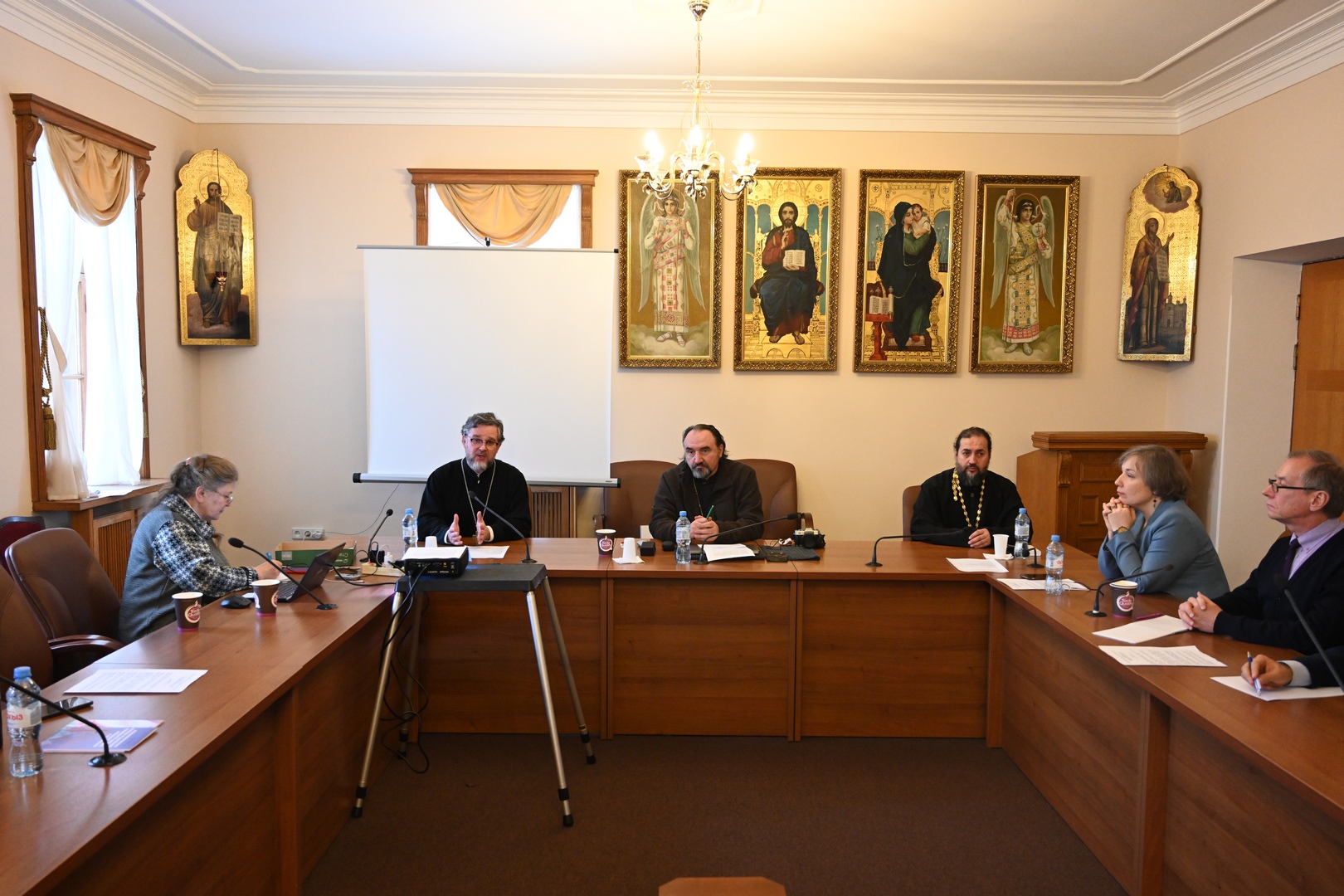
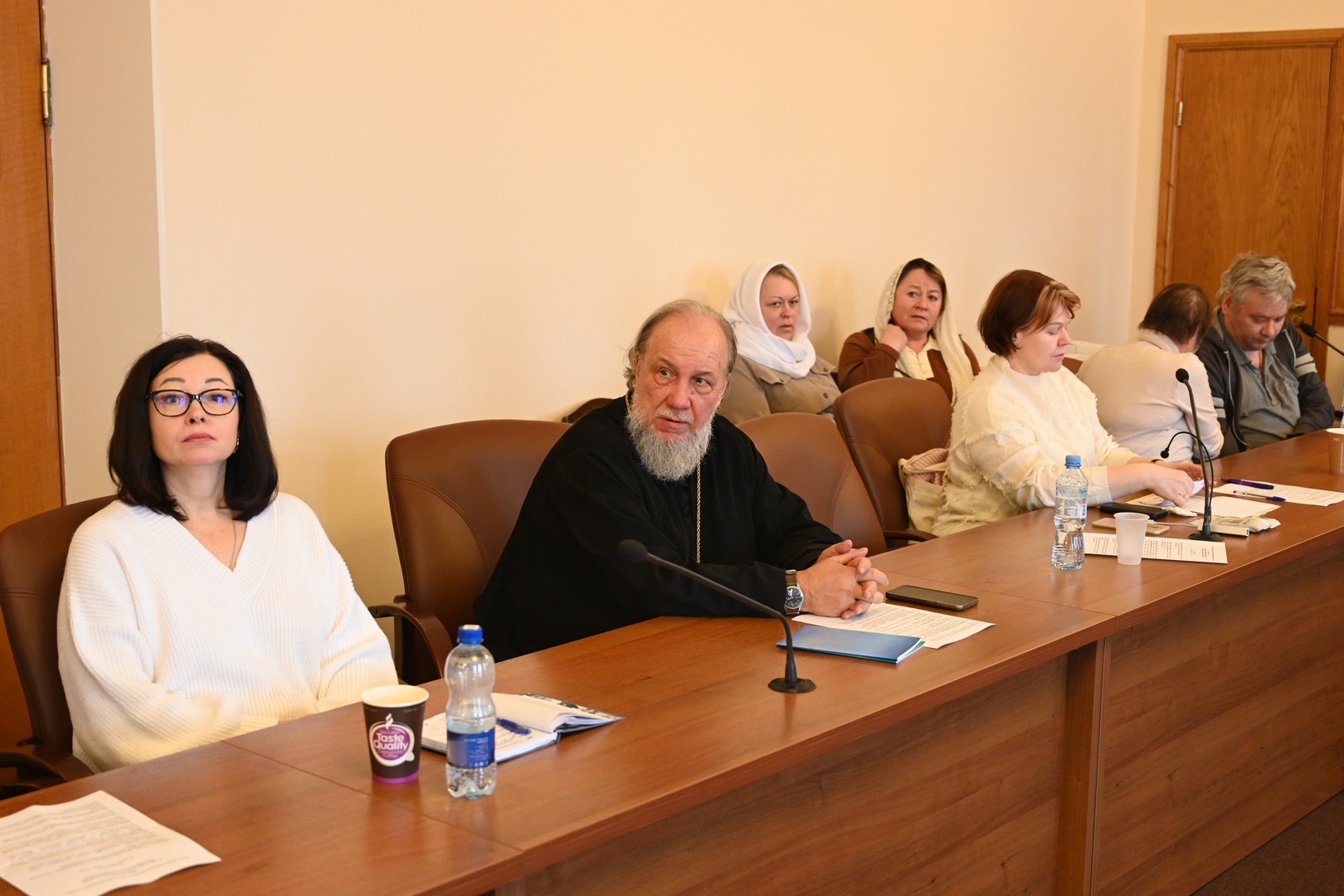
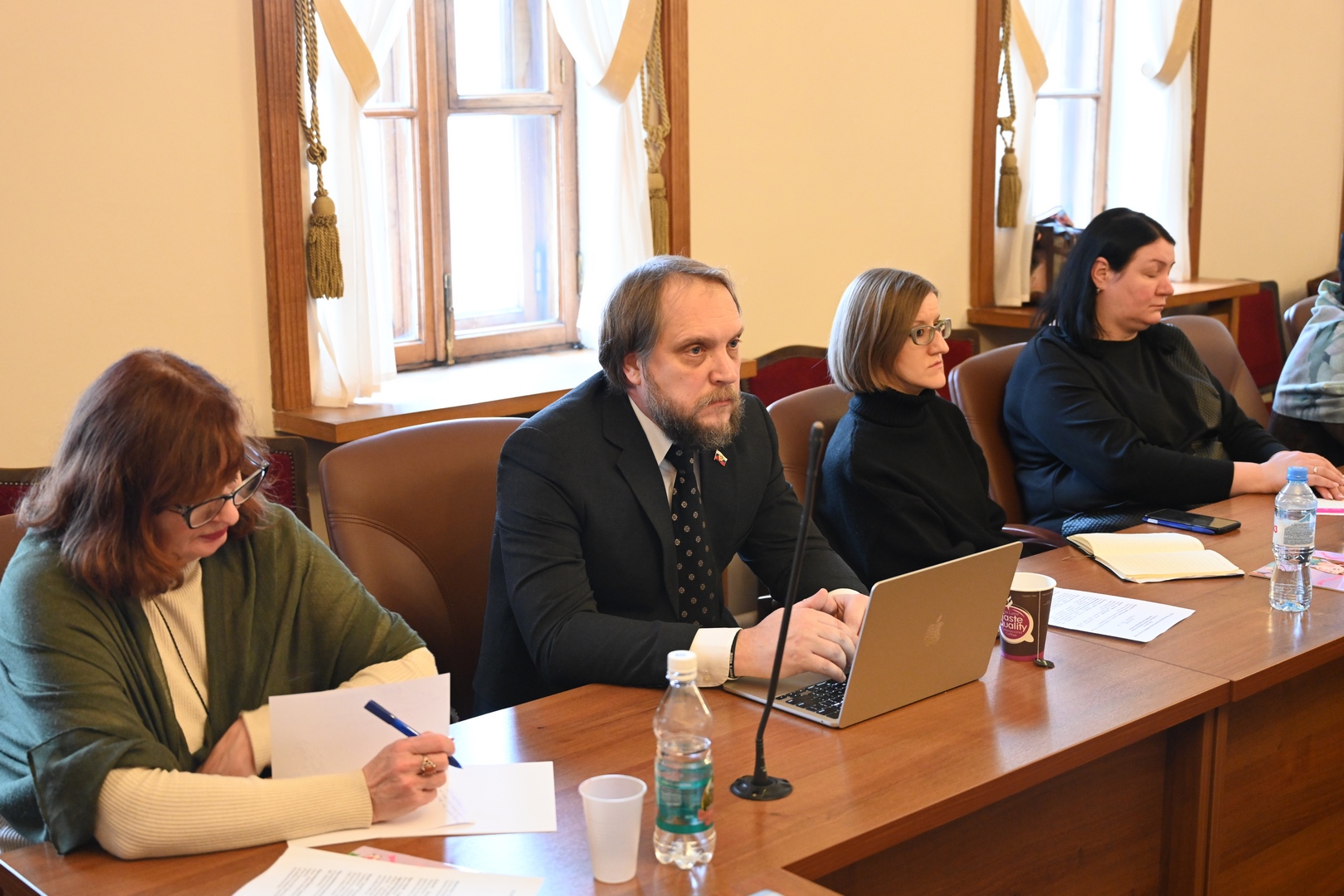
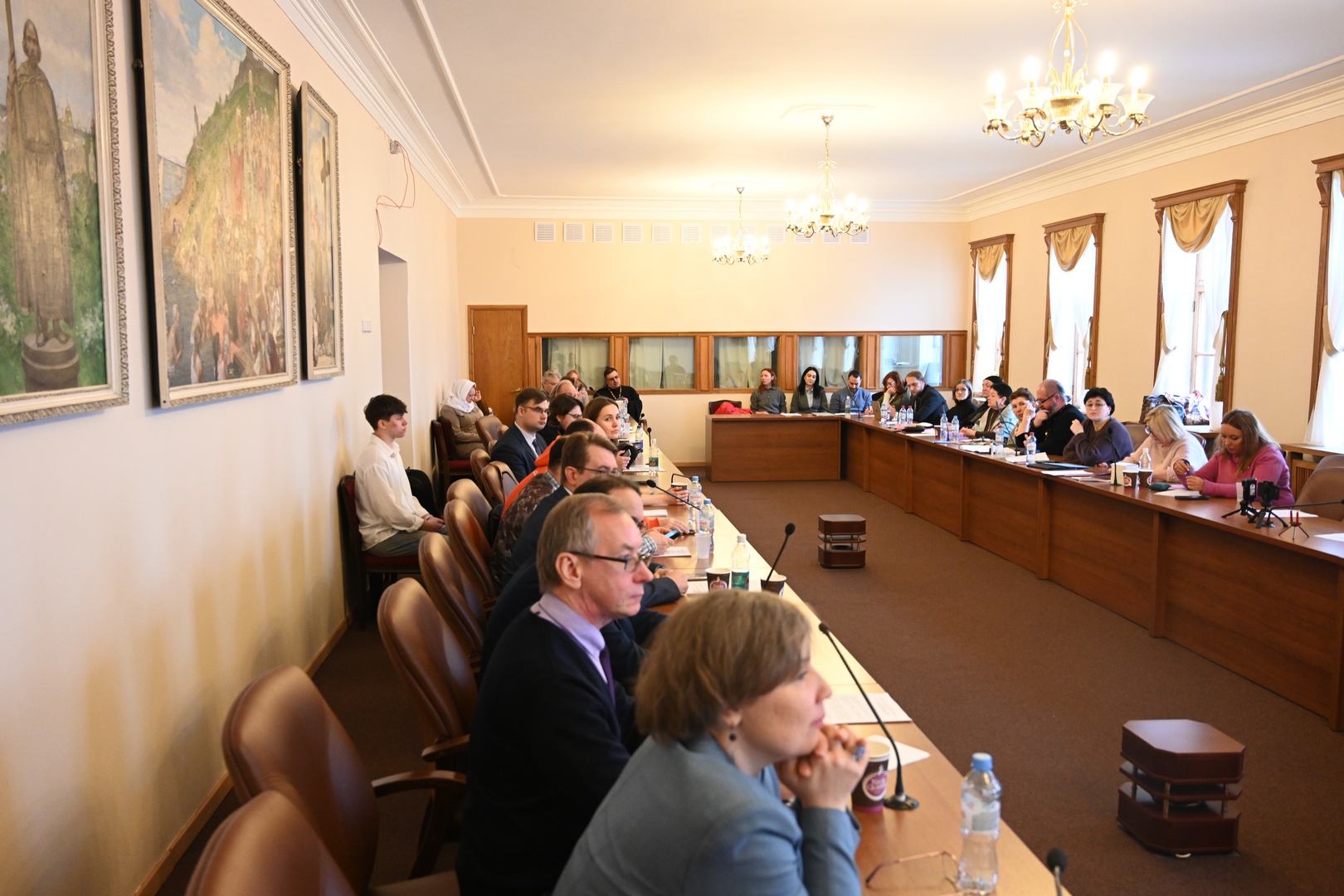
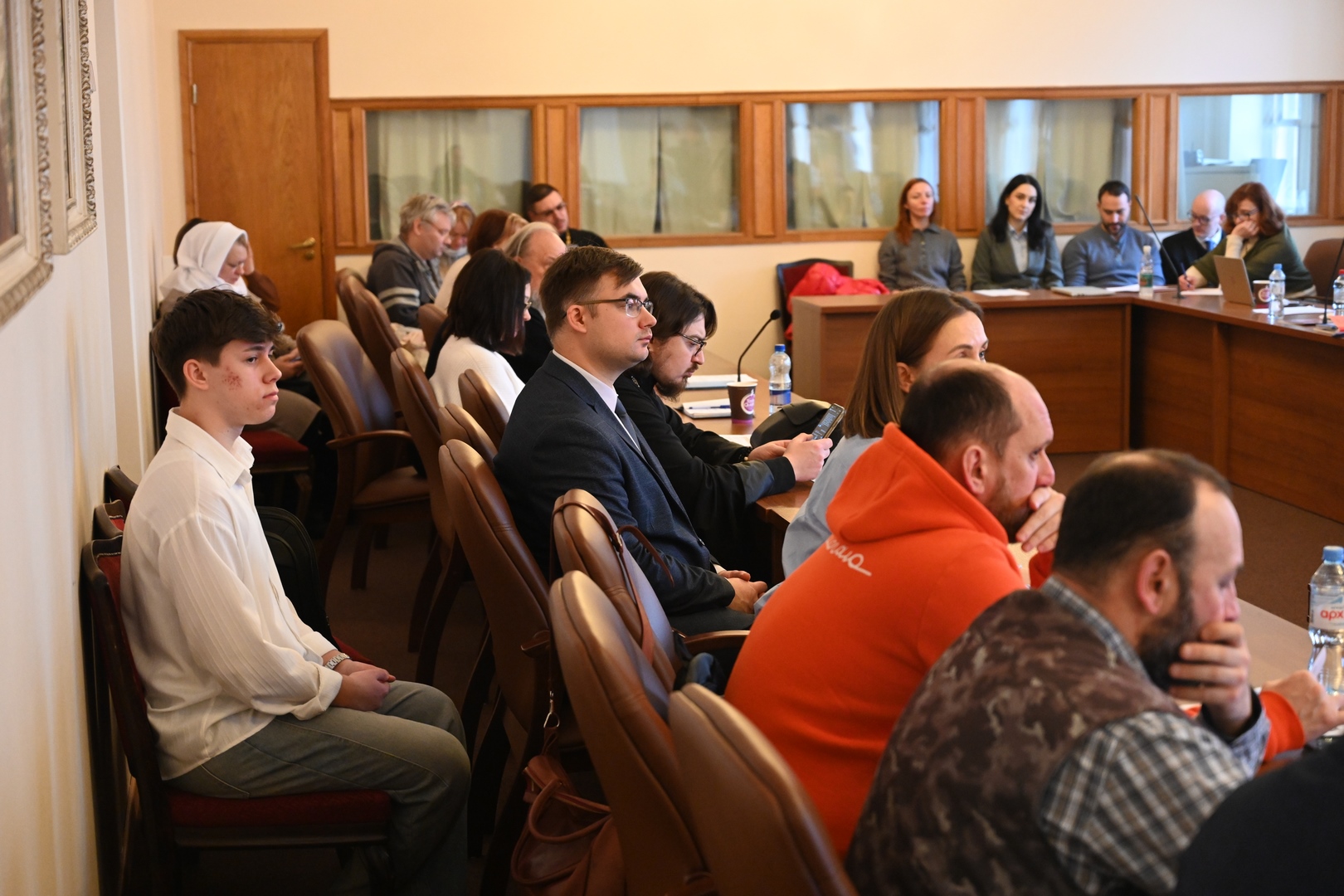
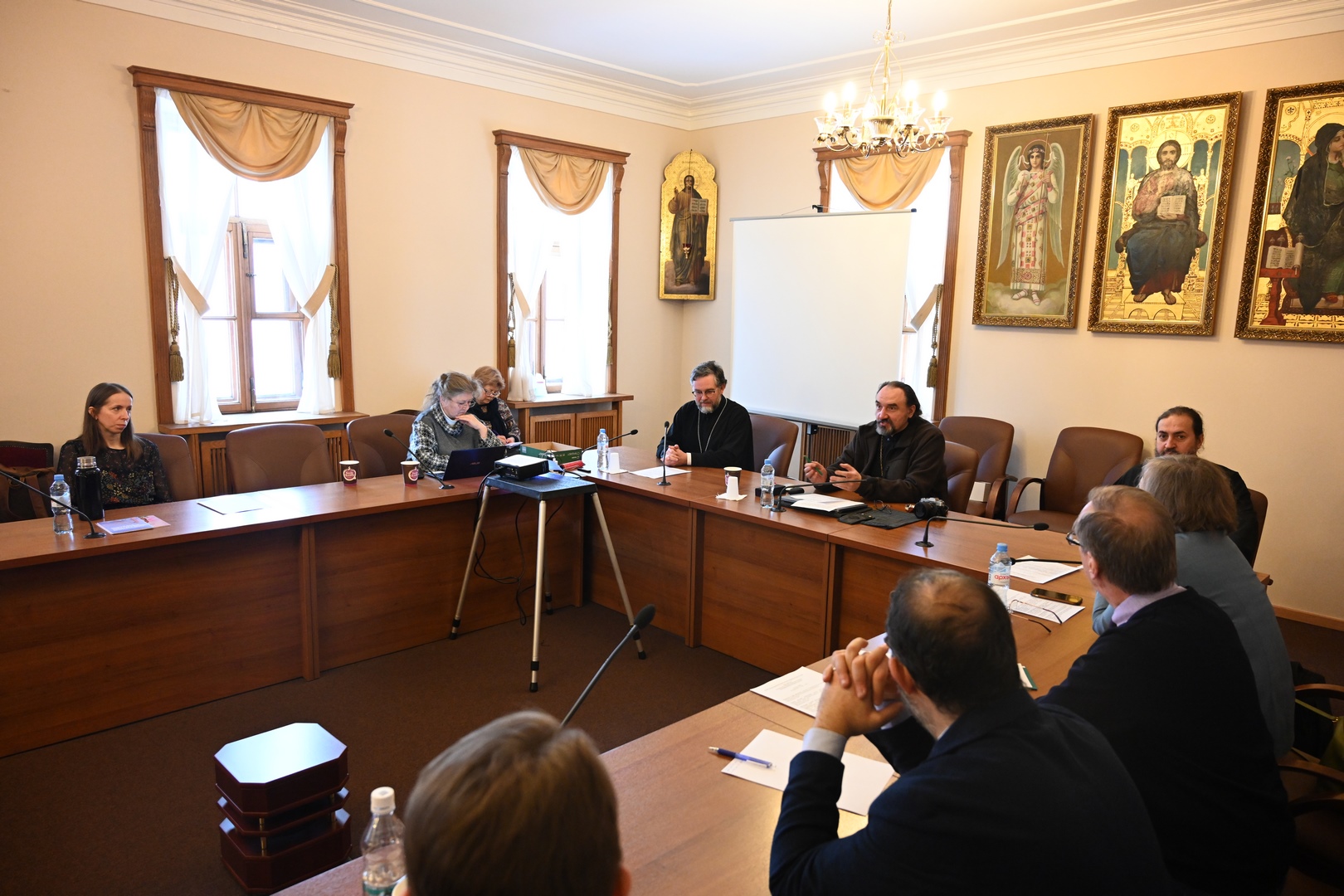
On January 28, within the framework of the 34th International Christmas Educational Readings, a round table entitled “Social Ministry of Religious Communities – Interconfessional Exchange of Experience” was held at the Department for External Church Relations of the Moscow Patriarchate.
More than 40 members of clergy and laypeople fr om ten dioceses of the Russian Orthodox Church took part in the meeting, along with representatives of the Roman Catholic Church, Protestant communities, and state and church-public organizations. The event was chaired by Archpriest Maxim Pletnev, head of the Coordination Center for Combating Drug Addiction and Alcoholism of the Department for Church Charity and Social Ministry of the St. Petersburg Diocese. The meeting was coordinated by M.B. Nelyubova, an employee of the DECR.
On behalf of the Chairman of the Department for External Church Relations, Metropolitan Anthony of Volokolamsk, the participants were greeted by Archpriest Sergiy Zvonarev, Secretary of the DECR for the Far Abroad. Father Sergiy noted that the round table “Social Ministry of Religious Communities – Interconfessional Exchange of Experience” occupies an important place among the events united under the direction “Tradition. Dialogue. External Relations” under the auspices of the oldest synodal institution of the Russian Orthodox Church. These annual meetings, which have already become a tradition, introduce representatives of different confessions to the particularities of each other’s social ministry. This ministry of Christian communities is universal, as it is based on the Gospel commandments, but at the same time it has its own unique features depending on many factors. In this regard, the Secretary of the DECR for Far Abroad Affairs expressed hope that the reports of the round table participants would make it possible to evaluate this experience and adopt valuable constructive ideas.
E.V. Ekimov, pastor and head of the Public Relations Department of the West Russian Union of the Seventh-day Adventist Church, also addressed those gathered with greetings on behalf of members of his community and conveyed greetings fr om O.Yu. Goncharov, First Deputy Chairman of the Euro-Asian Division of the General Conference of the Seventh-day Adventist Church. He also expressed gratitude to the Russian Orthodox Church for organizing such events, which cover a wide range of social issues and allow Christians to exchange experience and inspire one another to further fruitful work.
Archpriest Georgy Artaryan, rector of the Holy Trinity Church in the village of Dolgoderevenskoye, Sosnovsky District of the Chelyabinsk Region, and V.G. Afonina, Executive Director of the BNOO “Blago,” presented a joint report entitled “Parish Work to Provide Assistance to Families of Military Personnel and Soldiers. Organization and Conduct of Training Courses for Clergy and Church Specialists. Prospects for Further Work.” Father Georgy reported that with the beginning of the Special Military Operation, wives of mobilized men began to turn en masse to the church wh ere he serves, then other relatives of military personnel, and later the soldiers themselves, who had encountered family problems; among them were also persons with disabilities. Thanks to the 17-year experience of parish psychologists and “word of mouth,” within a year one specialist alone received 83 requests, each of which required several consultations. Faced with new challenges, the clergy and social workers of the church began training and cooperation with the regional center “Semya,” the Serbsky Institute, and the Faculty of Psychology of Moscow State University, creating a unified team of specialists in the district. Training courses have been developed for priests and church workers aimed at working with families and military personnel. Special attention is given to supporting the wives and mothers of soldiers who were killed or went missing: memorial services are regularly held, meetings for exchange of experience and support are organized, and individual work is conducted to provide spiritual and psychological assistance. To prepare priests to support veterans of the Special Military Operation and their families, a seminar-practicum program has been developed, aimed at teaching proper interaction with combat participants, training stress resistance, and establishing cooperation with psychologists, psychiatrists, and social workers. The seminar program includes lectures, discussions, practical sessions, and analysis of real cases. Last year, such seminars were held in six regions. More than 230 priests and social workers completed the training, which has already yielded positive results: for example, in Cherepovets, interest among Church representatives in joint work with psychologists has increased. In one diocese, parishes established cooperation with prosthetists and social workers for people with disabilities. Educational work is also being carried out in society regarding PTSD, debunking myths and forming a proper attitude toward rehabilitation. It is planned to create centers of assistance for families and soldiers on the basis of churches. Father Georgy especially emphasized that it is very important to establish cooperation between the Church and secular specialists for the effective support of veterans returning fr om the Special Military Operation and their families.
Another joint report – “Implementation of a Project to Assist in the Rehabilitation and Reintegration of Participants of the Special Military Operation and Their Family Members” – was presented by Priest Sergiy Malyshev, Deputy Head of the Social Department of the Simbirsk Diocese, and T.A. Sapozhnikova, Head of the Volunteer Movement of the Simbirsk Diocese. They spoke about the work of the “Lestvitsa” center, which was opened in 2024 at St. Nicholas Church (city of Ulyanovsk, Simbirsk Diocese): along with a Sunday school and programs for adults, the center carries out active work with veterans of the Special Military Operation and their families, in particular within the framework of the grant “Territory for Our Own.” This project covers the following areas: adaptive physical culture, adaptive massage, mutual assistance groups, individual psychological consultations, and spiritual and moral education. For the rehabilitation of veterans and their families, two sports halls have been opened, wh ere classes are held, including “chessboxing” (a combination of boxing and chess); excursions are regularly organized. The parish is actively involved in charitable activities: believers weave camouflage nets, make trench candles, prepare a “dry shower,” and dehydrated soups.
Tatyana Aleksandrovna, head of the volunteer movement of the Simbirsk Diocese, spoke about the work of assisting the wives, mothers, and children of participants of the Special Military Operation, as well as wounded servicemen in the hospital. At St. Nicholas Church there operates a unique choral music school wh ere children study church chants of various confessions. The parish cooperates with the “Ruslan” House of Culture, where various programs and concerts are held. The rector of the church, Archpriest Pavel Putilkin, head of the diocesan Department for Church Charity and Social Ministry, is engaged in accompanying services for the hearing impaired, using sign language.
K.V. Maslennikova, a psychologist of the charitable foundation “Diakonia” (St. Petersburg), spoke about her organization’s experience in the field of socio-psychological rehabilitation of veterans and their families. The “Diakonia” charitable foundation implements four key projects:
-
The Center for Socio-Psychological Support of Combat Participants and Their Families “Return” (established in 2022). Its task is to help veterans adapt to peaceful life and to support their families. The center provides crisis consultations and works with any requests, including adjustment disorders, addictions, communication difficulties, change of profession, PTSD, and others. Support is provided free of charge, including in hospitals. Various diagnostic methods, individual rehabilitation programs, psychological and physical rehabilitation (including bioacoustic correction and massage), and body-oriented psychotherapy are used in the work.
-
The Rehabilitation Center named after Alena Rydalevskaya (operating for more than 20 years). The three-stage rehabilitation program offered here for addiction to psychoactive substances includes half a year in a rehabilitation center in the Pskov region (spiritual and psychological rehabilitation), half a year in St. Petersburg (social adaptation), and lifelong support.
-
HIV infection prevention.
-
The “Mercy Bus,” on the basis of which assistance is provided to the homeless and the poor.
An important feature of the Foundation’s work is a flexible approach, which makes it possible not to be tied to the place of residence of those under care. In the future, it is planned to open a three-story center in St. Petersburg to support veterans who have found themselves without housing and social support.
Archpriest Pavel Serdyuk, Chairman of the Synodal Department for Family Affairs, Protection of Motherhood and Childhood of the Belarusian Exarchate (Minsk), delivered a report on the topic “The Experience of the Belarussian Orthodox Church in Pastoral Care of a Family Where a Child Has Committed Suicide. Causes of Suicidal Behavior in Minors.”
The department headed by Father Pavel is responsible for reviewing petitions for church commemoration of suicides. Communication with relatives of those who took their own lives showed how complex this topic is. Clergy were forced to involuntarily “reopen their wounds,” asking clarifying questions that undoubtedly plunged relatives into deep sorrow. It was especially difficult to speak with parents who had experienced the loss of a child. After performing the “Rite of Prayerful Consolation for the Relatives of One Who Has Voluntarily Ended His Life,” the department’s staff submitted reports on the possibility of a church funeral service for minor suicides. However, decisions on these issues in different dioceses were ambiguous, which indicated the absence of a unified approach. For a deeper study of the problem, with the blessing of Metropolitan Veniamin of Minsk and Zaslavl, Patriarchal Exarch of All Belarus, on February 20, 2025, a seminar was organized with the participation of the Exarch himself, specialists of the Republican Center for Mental Health, Doctor of Medical Sciences, Professor of the Department of Pastoral Theology of St. Tikhon’s Orthodox University V.G. Kaleda, and clergy representing all dioceses of the Exarchate. The seminar helped to better understand the psychology of adolescents and to develop a unified approach to solving the problem. Work began on a detailed study of family situations related to suicides, with the aim of timely intervention. Clergy began to be invited to work with families experiencing crisis. The seminar also discussed the need to introduce a course in pastoral psychiatry in theological schools. Starting fr om the 2025/2026 academic year, this course was introduced in all theological schools of the Belarusian Exarchate.
The growing number of child suicides is an alarming signal for the entire society. The Church is called to be close to families at the moment of tragedy, to console those who mourn and to provide support, following the example of Christ. Father Pavel emphasized the importance of developing a church-wide document of the Moscow Patriarchate regulating the possibility of Christian burial for minor suicides. It is important that the document take into account situations associated with active psychophysiological transformations of children during their maturation. This is clearly evidenced by modern medicine.
O.V. Krutova, a clinical psychologist and Master of Psychology, spoke about ways of accompanying grief in people who have lost a loved one. Grief is a multifaceted phenomenon that affects all areas of a person’s life: emotional, somatic, daily activity, and social interaction. It can cause difficulties with adaptation, a sense of isolation, loss of working capacity, and other serious consequences. This process is prolonged and includes many changes. The departure of a loved one leaves a deep emptiness, disrupting the habitual way of life, emotional state, and life meanings. Grieving is a complex but natural process. It is important to give it space, to understand its stages, and to enlist support in order to go through the loss, maintain a connection with the departed, and continue living. As O.V. Krutova noted, grieving is a normal reaction to loss. Attempts to suppress these feelings can lead to reactive depression, which is often attempted to be treated with medication. However, without psychotherapeutic support, the grieving process stops. A person may “get stuck” in their grief, for example, by excessively focusing on the grave of the deceased, or may encounter psychosomatic illnesses, up to oncology. These negative consequences can be avoided if a person is properly accompanied in the grieving process. This requires time and, most importantly, the opportunity to share one’s experiences with someone else.
In Russia, the culture of experiencing grief was disrupted at the beginning of the 20th century due to wars, repressions, and persecution of the Church. Traditional rituals such as weeping and lamentations were declared “relics of the past.” As a result, modern people often lack space and time for grieving, and open expression of strong feelings may be perceived as unfashionable or even shameful. Scientists have established that during lamentations a mechanism of psychological compensation is triggered. Verbalizing and crying out grief is an effective way to experience it. The speaker described the types of assistance that others can provide at each stage of grieving (based on the periodization of psychologist Oleg Nemirinsky). In her opinion, it is often easier for believers to endure loss, since they do not lose hope that they will truly be able to meet their loved ones in another world. There are frequent cases when even atheists come to faith during the grieving process. For a Christian, prayer becomes a living connection with the deceased, transforming acute pain into “bright sorrow.” A psychologist helps a person to navigate the stages of grieving, articulate feelings, and find internal resources for recovery. Priests, who daily encounter people’s grief, play an invaluable role in providing support and consolation.
E.V. Mitrofanova, a psychologist of the children’s mobile palliative care service of the Martha and Mary Medical Center, delivered a report entitled “Accompanying the Process of Grieving in Families Who Have Lost a Child: The Experience of Staff of the Children’s Mobile Palliative Care Service.” The palliative service, which is located on the territory of the Martha and Mary Convent in Moscow, has existed for 14 years and annually accompanies about 100 families. Its patients are children under 18 years of age with severe incurable diagnoses (genetic diseases, cerebral palsy, combined injuries) who have palliative status. Unlike oncology patients, such children live for a long time but may die unexpectedly. The focus of the service’s attention is the entire family: not only the dying child, but also parents, grandparents, as well as brothers and sisters. The task of the psychologists of the palliative service is to create conditions in which all family members can prepare for parting with the child and learn to live after the loss. Psychologists provide support to family members at all stages: in preparation for parting, at the moment of the child’s passing, after the loss, and in cases of complicated grieving. Psychologists help parents accept the reality of the loss, live through the pain, and adapt to a new world. They proceed from the understanding that grief does not pass completely, but becomes part of our being – a part with which one can learn to live, preserving a new connection with the child. Psychologists help grieving parents find meaning, return to a full life without becoming fixated on grief, and form a new view of the world and of God. Modern research indicates that full acceptance of loss is impossible, and the grief from loss remains with a person for life.
Evgenia Vladislavovna gave recommendations on how to behave next to a grieving person, what should be said, and what should by no means be said. For example, one should not say: “Everything will be fine, don’t worry,” “God wanted to have another angel with Him,” “The Lord took the child for some reason, preserved him, otherwise it is unknown who he would have become.” Instead, one can say: “It is hard for you now, and this is normal. I am here, tell me about…,” “We believe that your child is with God, and it is good for him there,” “We do not know why the Lord acted this way. But we believe (or try to believe) that He did this out of His Love.” In general, the position of the helping person should not be didactic or directive, indicating how a person should experience loss and what to believe in. Effective support implies providing space for experiencing grief and the opportunity for dialogue.
A.L. Shchetkina, president of the Foundation for Assistance to Patients with Dementia and Their Families “Alzrus,” in her report “Caring for Loved Ones with Dementia,” addressed an acute social problem: the value of the life of a person with cognitive impairments, with dementia, in the eyes of society is often equated to zero. This is connected with a utilitarian approach: such a person “contributes nothing to society, but requires a great deal.” Dementia is a severe condition in which the brain is destroyed and, as a consequence, the personality of a person. This disease is called a “long farewell” – a person with dementia symbolically “dies” several times: when they forget how to dress, when they stop recognizing their children, when they do not recognize a spouse after 50 years of marriage. A person with dementia gradually loses everyday skills. In this state, hallucinations and disorientation in time and space may appear. Non-modifiable risk factors are age (one in ten after 65 and every second after 80 risk developing dementia) and genetic predisposition. Modifiable risk factors are lifestyle and care for one’s health (control of blood pressure, blood sugar levels, and weight). Relatives caring for loved ones with dementia constitute a socially unprotected and “invisible” group. They do not fall into any preferential category (unlike the poor or large families) and often remain without state support, although they bear an enormous burden. In Russia, there is practically no system of assistance for such patients. If in Moscow it is difficult to find activities for elderly people with dementia, then in the regions such opportunities are practically nonexistent altogether.
The participant of the round table identified specific everyday markers that may indicate the onset of dementia and should alert relatives: memory loss; difficulties in performing daily tasks; problems with speech and communication; placing things in unusual places; asking the same questions many times; disorientation in time and space; depression, apathy, loss of interest in life; frequent mood changes; hoarding; accusing relatives of theft. The foundation for assistance to people with dementia and their families “Alzrus,” headed by Alexandra Leonidovna (established in 2019), implements projects unique for Russia: the “Alzheimer Café” network – clubs for family meetings; an online dementia school: an educational project for relatives teaching an action plan and care; support and education: routing of families, psychological support for caregivers, and work with the media to remove the stigma from the disease.
The speaker noted the importance of educating clergy about dementia: priests often see elderly parishioners who speak incoherently or behave strangely. It is important to understand that these are symptoms of illness, and not simply a “bad character.” When dementia comes into a family, faith often becomes the only support. Clergy need basic knowledge of the psychology of communication with such people in order to support their relatives and not provoke aggression in the patient himself.
M.V. Shubert, leading psychologist of “Caritas” (Moscow), neuropsychologist, presented a report on the topic “Neuropsychological Support in Dementia. Formation and Stimulation of Cognitive Reserve.” She noted that the causes of dementia are diverse — from neurodegenerative diseases (Alzheimer’s, Parkinson’s) and vascular problems (stroke), to infections (HIV), diabetes, and intoxications. The process of the death of brain cells often proceeds “from front to back” — from the frontal lobes to the occipital ones: first, the ability to plan actions is impaired, for which the frontal lobes are responsible (a person forgets why they went somewhere); then speech: coherence is lost, inner speech disappears (a person voices thoughts aloud without controlling it), the meanings of words are forgotten. The temporal lobes are responsible for hearing decline. Then sensitivity deteriorates (risk of burns), coordination of movements is impaired, and a characteristic unsteady gait appears.
M.V. Shubert spoke about specific techniques for maintaining the body’s cognitive reserve. These include: diaphragmatic breathing, which better saturates the blood with oxygen, preventing brain hypoxia and increasing its productivity; nutrition — microelements are critically important for brain function: magnesium, zinc, iron, B vitamins, omega-3 (a small set of buckwheat, lentils, sunflower oil, seeds, and 1–2 nuts per day is sufficient). Motor correction is very important: balance exercises are necessary to combat a shuffling gait, tremor, and clumsiness of movements; special movements of the tongue and eyes; multidirectional movements of the arms and legs stimulate interhemispheric interaction, helping healthy areas of the brain take over the functions of damaged ones. In dementia, maintaining cognitive potential should rely on already existing skills — on what the person used to love: if they were fond of crosswords — give tasks on deciphering; if they liked detective stories — offer riddles; if they enjoyed assembling puzzles — use coloring by zones. Maria Vladimirovna noted the special importance of handwriting: “Handwriting is the most complex process, involving the frontal, parietal, temporal, and occipital lobes of the brain. It is a powerful training of neuroplasticity. Modern teenagers, who have abandoned writing in favor of typing on gadgets, risk encountering early dementia within 10–15 years, as their brain is deprived of this important stimulation. It would be useful to introduce calligraphy lessons in schools.” She also noted that it would be useful to train social workers and relatives in the basics of occupational therapy (courses of 1.5–3 months) — structuring the space and activities of a person with dementia in such a way as to maximally preserve their everyday skills and quality of life.
Alessandro Salacone, Candidate of Historical Sciences, representative of the Community of Sant’Egidio in Russia (Roman Catholic Church), delivered a report entitled “Devaluation of Human Life in Old Age: Challenges and Responses from the Experience of the Community of Sant’Egidio.” Modern society faces a serious problem of the devaluation of human life, especially the life of elderly people. This trend, which the late His Holiness Pope Francis last year called the “throwaway culture,” evaluates a person by their economic usefulness and productivity, ignoring those who do not meet these standards. The COVID-19 pandemic vividly demonstrated this problem: society faced the practice of “selective medicine,” when the young were saved effectively at the expense of the elderly. The latter turned out to be the most affected group, often dying in nursing homes in isolation and neglect. The roots of this problem lie not only in healthcare and social protection, but also in a deep cultural and spiritual crisis of society, when old age is associated with illness, uselessness, and fear. Young people and even relatives often avoid the elderly, fearing to confront old age and death. Nursing homes, which are increasingly perceived by society as the norm, in reality often conceal loneliness and abandonment. Loneliness itself, especially in old age, leads to fear, vulnerability, and illness. Modern technologies, including social networks, cannot truly replace live human relationships.
According to Mr. Salacone, “more than 40 years ago, the Community of Sant’Egidio set itself the task of promoting the creation of an ‘alternative’ culture regarding elderly people through concrete projects, as well as by disseminating a different understanding of old age.” As an example, he cited the projects of the Community of Sant’Egidio in different countries: family-type homes as an alternative to nursing homes, co-housing homes, the project “Long Live the Elderly!” (remote assistance and visits to elderly people), accompaniment to Sunday worship, organization of leisure activities for the elderly, assistance to relatives in caring for elderly family members. Young people are necessarily involved in this work. The Community of Sant’Egidio promotes the theme of old age through numerous publications, studies, and legislative initiatives. The speaker emphasized that the problem of aging and the underestimation of human life requires immediate attention. The issue of loneliness in large cities is especially acute. This is directly related to old age, but not only. Loneliness is a path to fear, vulnerability, and illness.
A.V. Leukhin, Director of the All-Russian Public Organization “Center for Assistance ‘ADRA’,” spoke about the Center’s experience in training community members to respond to emergency situations and eliminate the consequences of conflicts. The ADRA Center has been operating in our country for more than 35 years (since 1988) and began its activity with assistance to victims of the Spitak earthquake. In the 1990s, the organization was engaged in the delivery of humanitarian aid and maintained charitable canteens. At present, its branches operate throughout Russia — from Kaliningrad to Vladivostok, including in the new regions of the Russian Federation (Kherson region and the LPR). ADRA actively interacts with the Russian Orthodox Church, other traditional confessions, and the Red Cross, participating in joint events and exchange of experience.
The speaker spoke about the main areas of the organization’s activity, including the project “Church Ready for Crisis,” the goal of which is to prepare religious communities for the role of temporary accommodation and assistance points in emergency situations. Community members are taught to assess the risks of emergencies in advance (for example, to prepare for floods in spring), to plan resources, and to create volunteer teams. Another important area is work with youth: teenagers are trained in providing first aid (certified medics are involved), actions in emergency conditions, and conflict resolution (so-called bullying prevention). Modern technologies are used to engage children, for example, the operation of UAVs. Simulations are conducted in the forest, wh ere teams search for simulated wounded using quadcopters and evacuate them.
A new area of ADRA’s work is the psychological rehabilitation of relatives of participants of the Special Military Operation (wives, children, parents): week-long trips to recreation centers in the Kuban and the Rostov region are organized. Professional psychologists (PTSD therapy, etc.) and specialists in healthy lifestyles work with the families. In its work, ADRA relies on professionals within the communities themselves. Volunteers are parishioners who possess the necessary skills (medics, psychologists, rescuers) and are ready to serve society. The organization is open to cooperation with state social services and religious associations.
D.A. Dudarev, an employee of the Center for Assistance “ADRA,” spoke about the experience of social support of the population and childhood in the Donetsk People’s Republic. He spoke about the social ministry of the community of the Seventh-day Adventist Church in Moscow, aimed at helping the youngest residents of the DPR and LPR and sick children in the hematology department of the N.N. Blokhin Research Institute of Pediatric Oncology and Hematology. The Seventh-day Adventist Church conducts campaigns to collect and deliver gifts, footwear, and bed linen to orphanages, organizes charitable concerts and fundraising, the proceeds of which go toward the repair and lighting of children’s institutions. Thus, with funds raised at a charitable concert last year in honor of the 120th anniversary of the Seventh-day Adventist community in Moscow, electrical equipment and other necessary items were purchased for the Amvrosievka orphanage in the DPR. Every year, a winter campaign is held with the participation of Ded Moroz for children undergoing chemotherapy at the Research Institute of Pediatric Oncology and Hematology, and in spring and autumn cheerful flash mobs are organized under the hospital windows. This winter, 350 children received congratulations during the campaign. An important aspect of the ministry is the manifestation of mercy, compassion, and unity, which inspires participants and brings joy to children in difficult life circumstances.
E.V. Sosinsky, Chairman of the Council of the Interregional Public Organization “House of Diligence ‘Noah’” named after St. Righteous John of Kronstadt, spoke about the creation of conditions for moral uplift and personality formation in the provision of social assistance to people in difficult life situations and the use of the public technology of social-labor assistance of the House of Diligence “Noah.” In his report, he examined the problem of street homelessness in Russia, expressing disagreement with the existing pro-Western model of assistance, which does not require work and responsibility from the homeless, but only provides services. The speaker described an alternative approach through the creation of social and labor communities based on spiritual and moral values and the principles of diligence of St. Righteous John of Kronstadt. The experience of the shelter “House of Diligence ‘Noah’” has shown a significant reduction in the number of homeless people in the Moscow region through the provision of housing, work, and support for changing lifestyle. According to E.V. Sosinsky, many modern work houses are commercial projects that do not contribute to re-education. In this regard, Emil Valeryevich emphasized the importance of social adaptation and employment, as well as the role of the Church and society in solving the problem of homelessness.