
The 7th International Conference “The Church’s Care for People with Mental Illness” held at the DECR
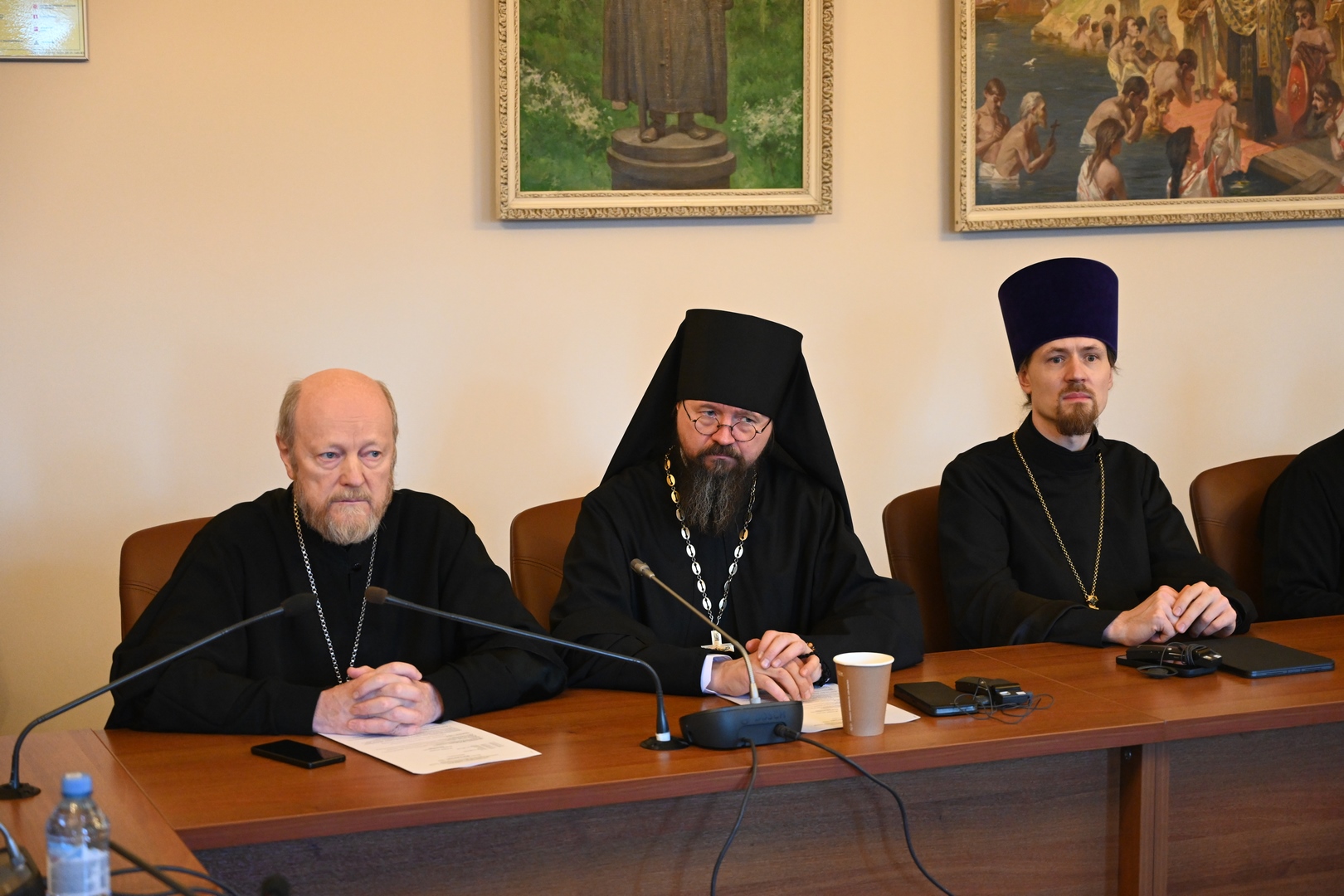
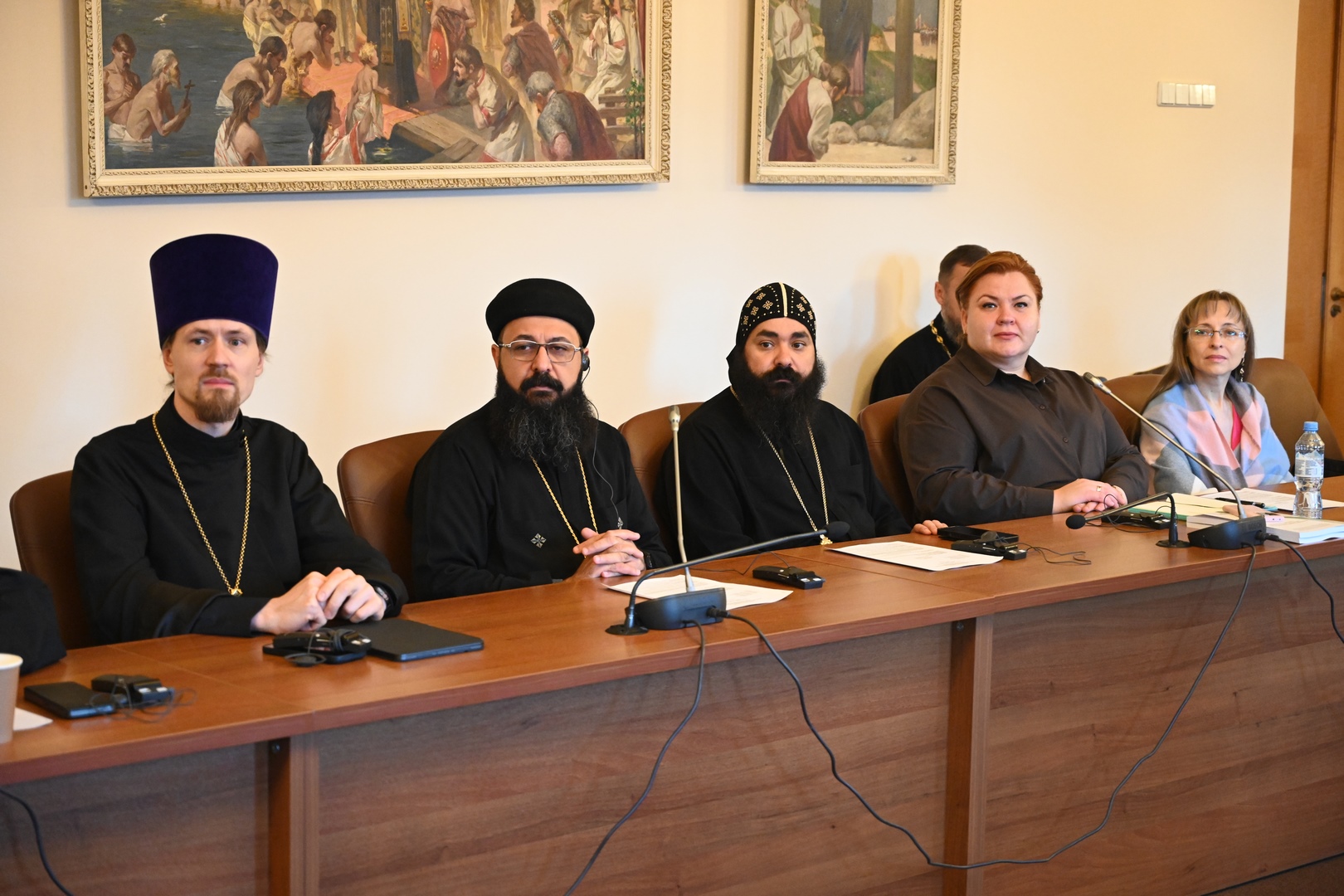
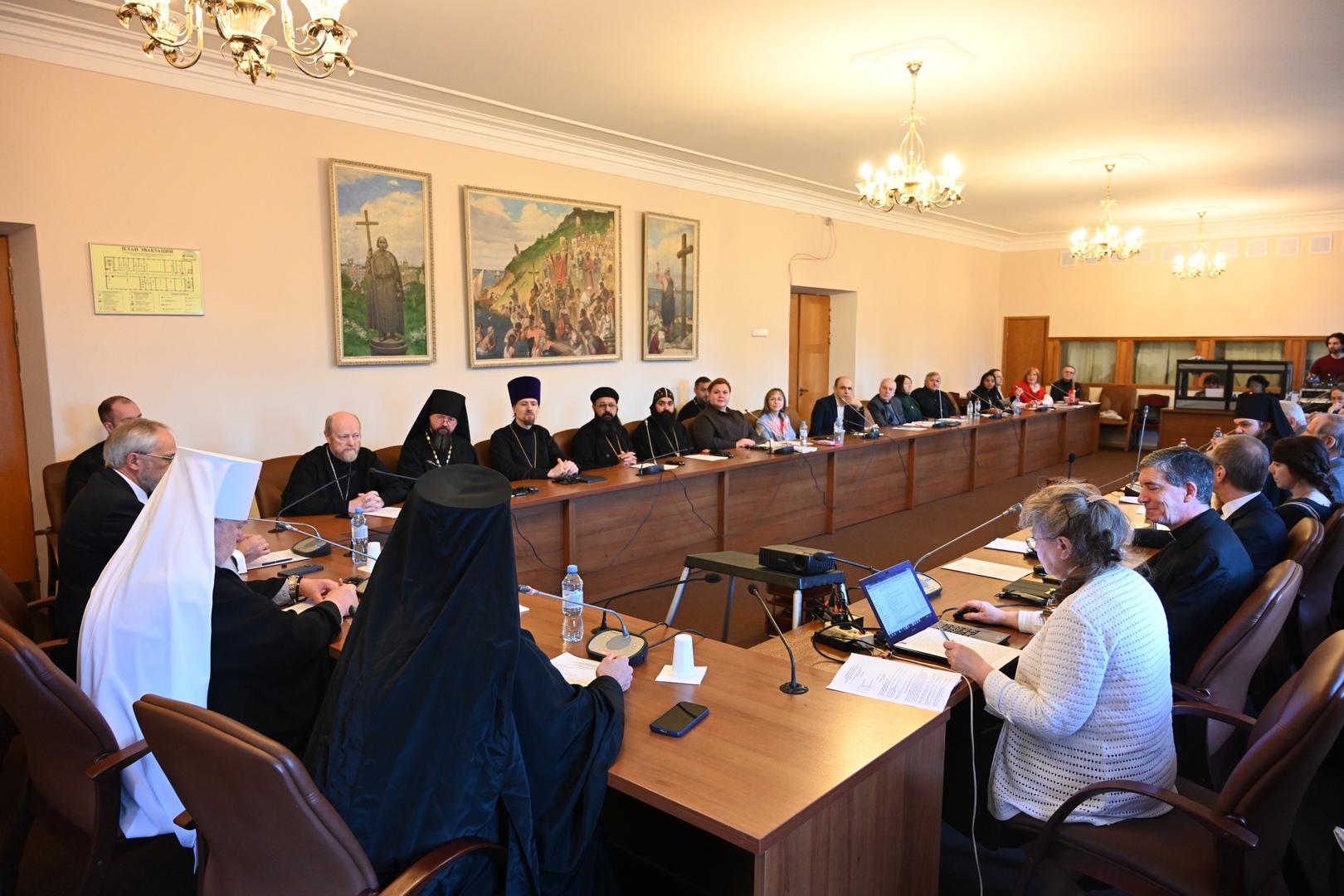
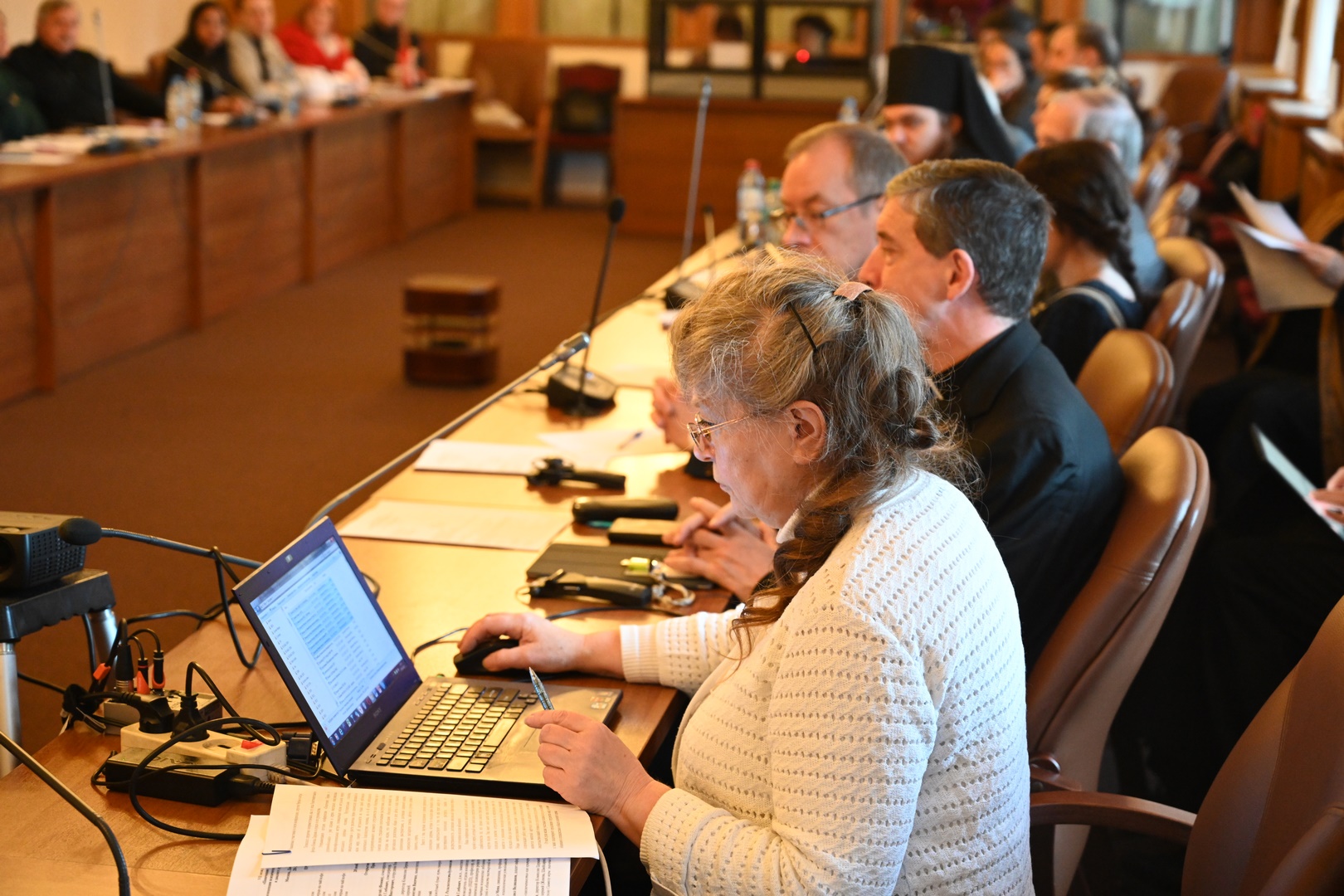
DECR Communication service, 08.12.2025.
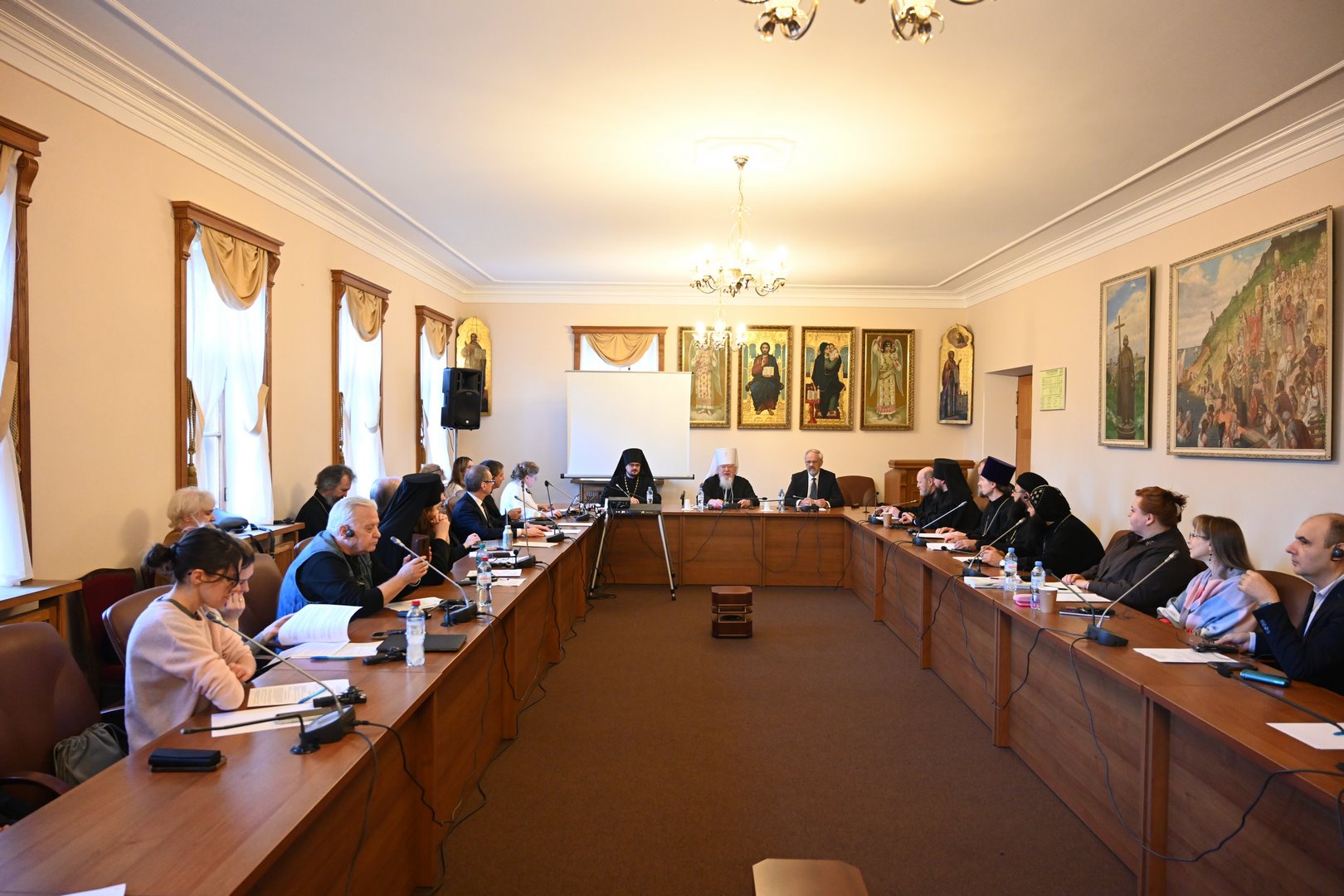
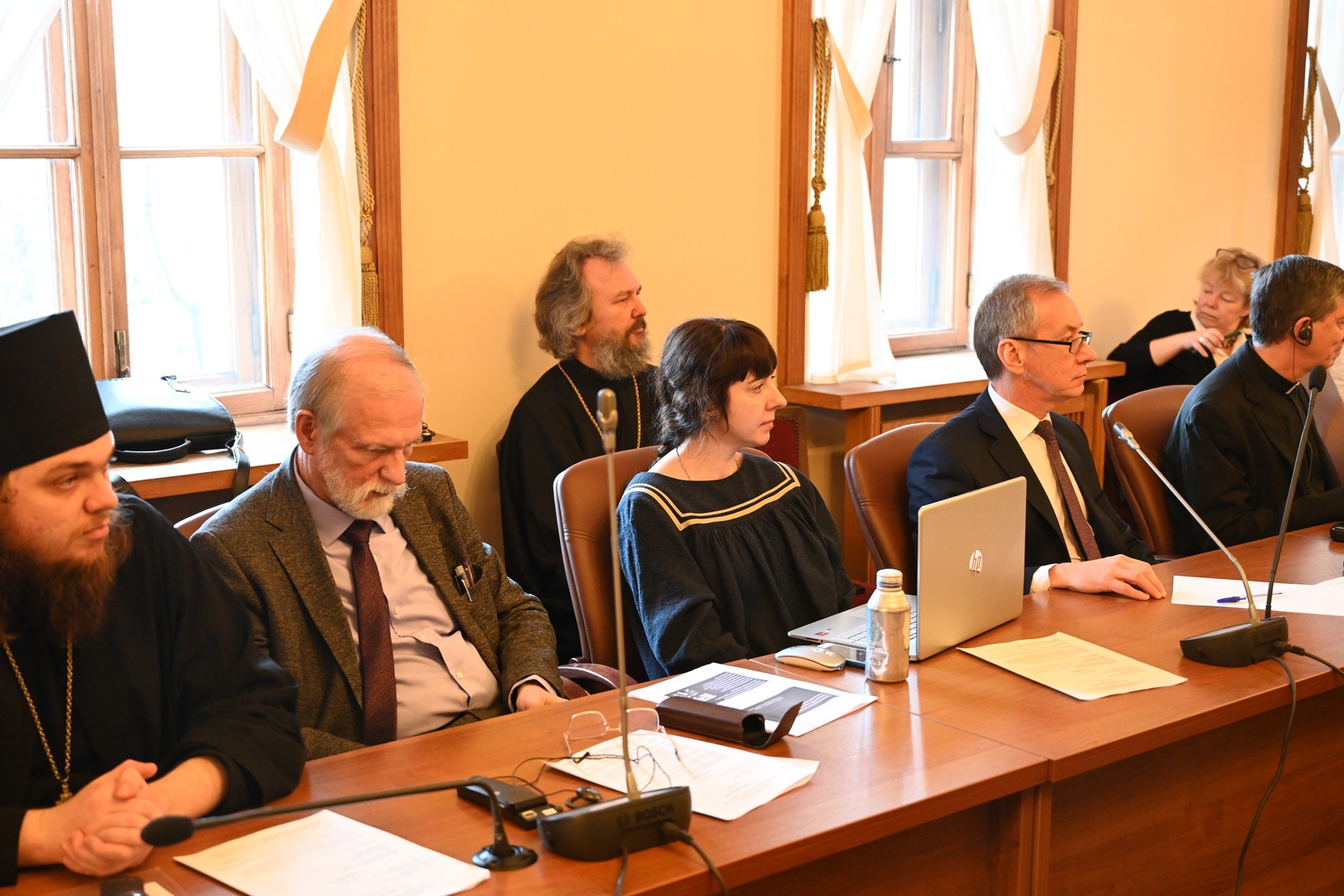
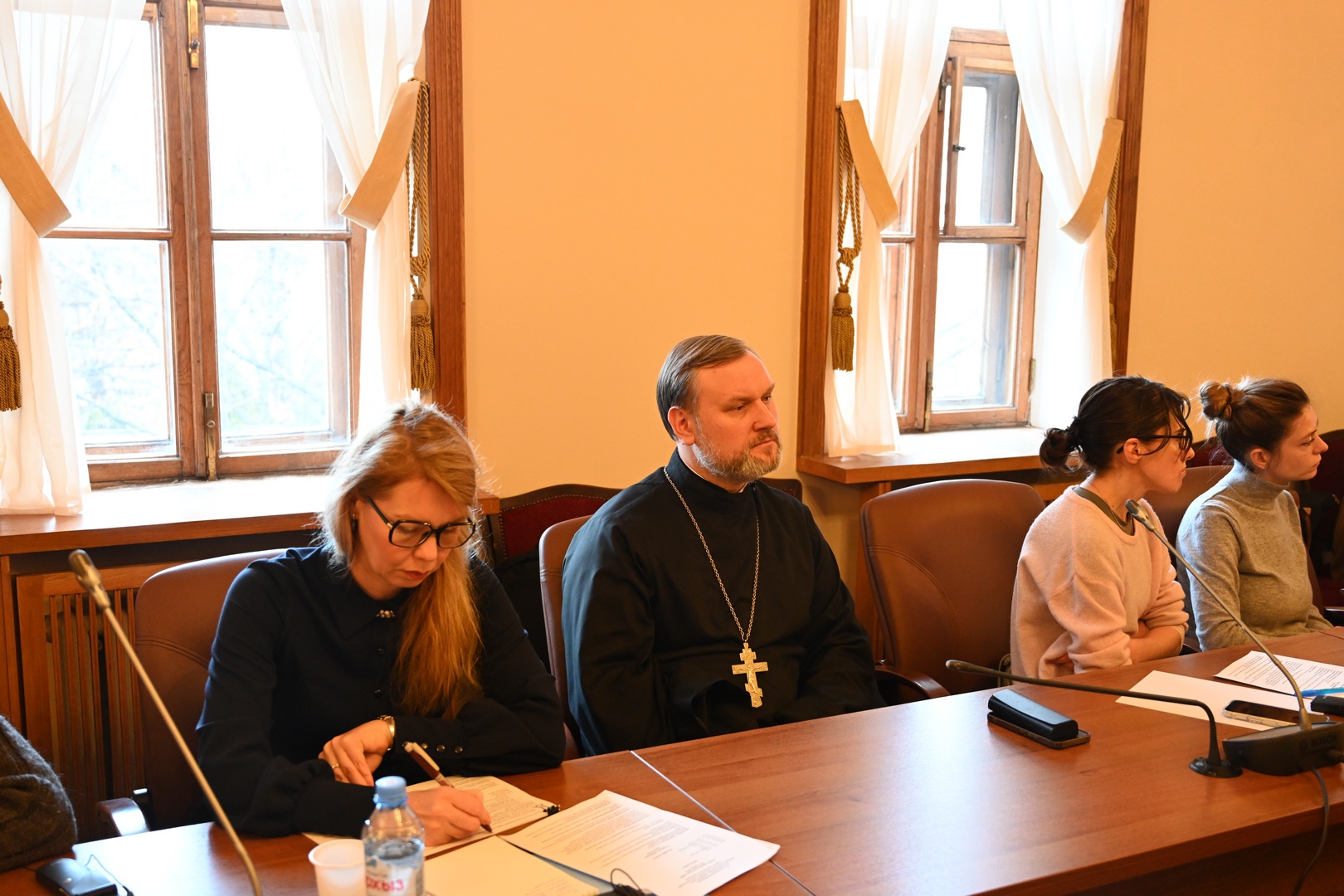
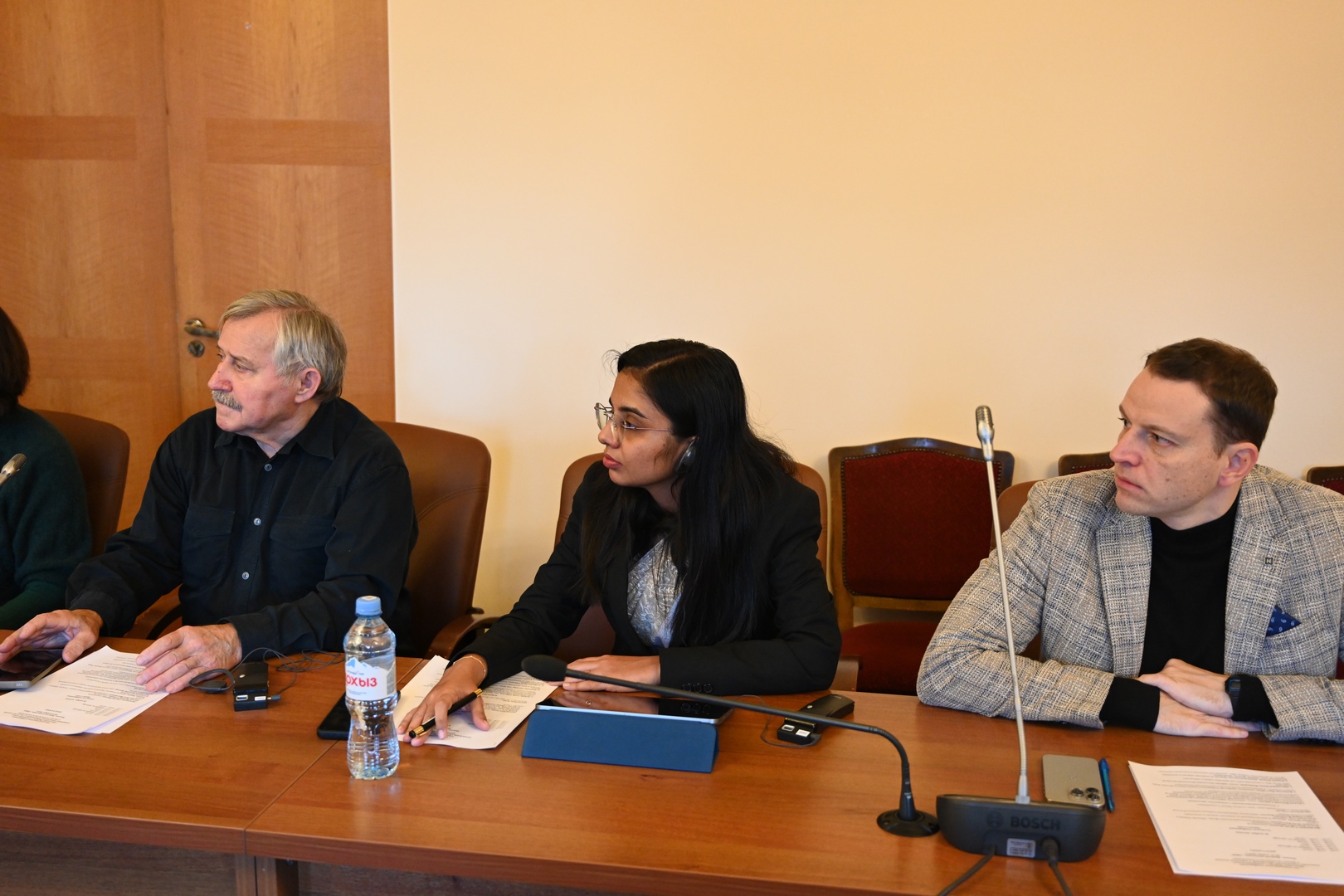
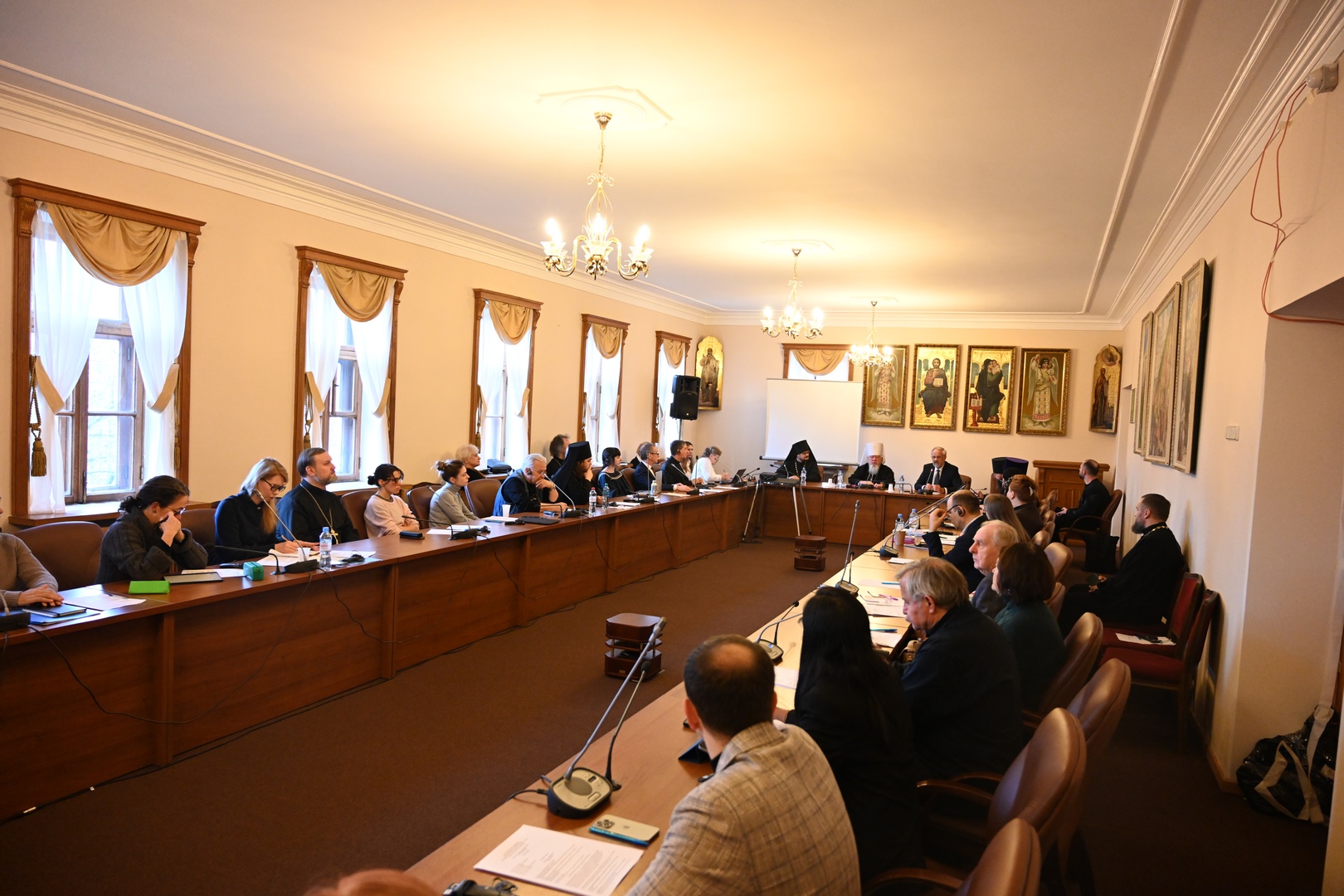
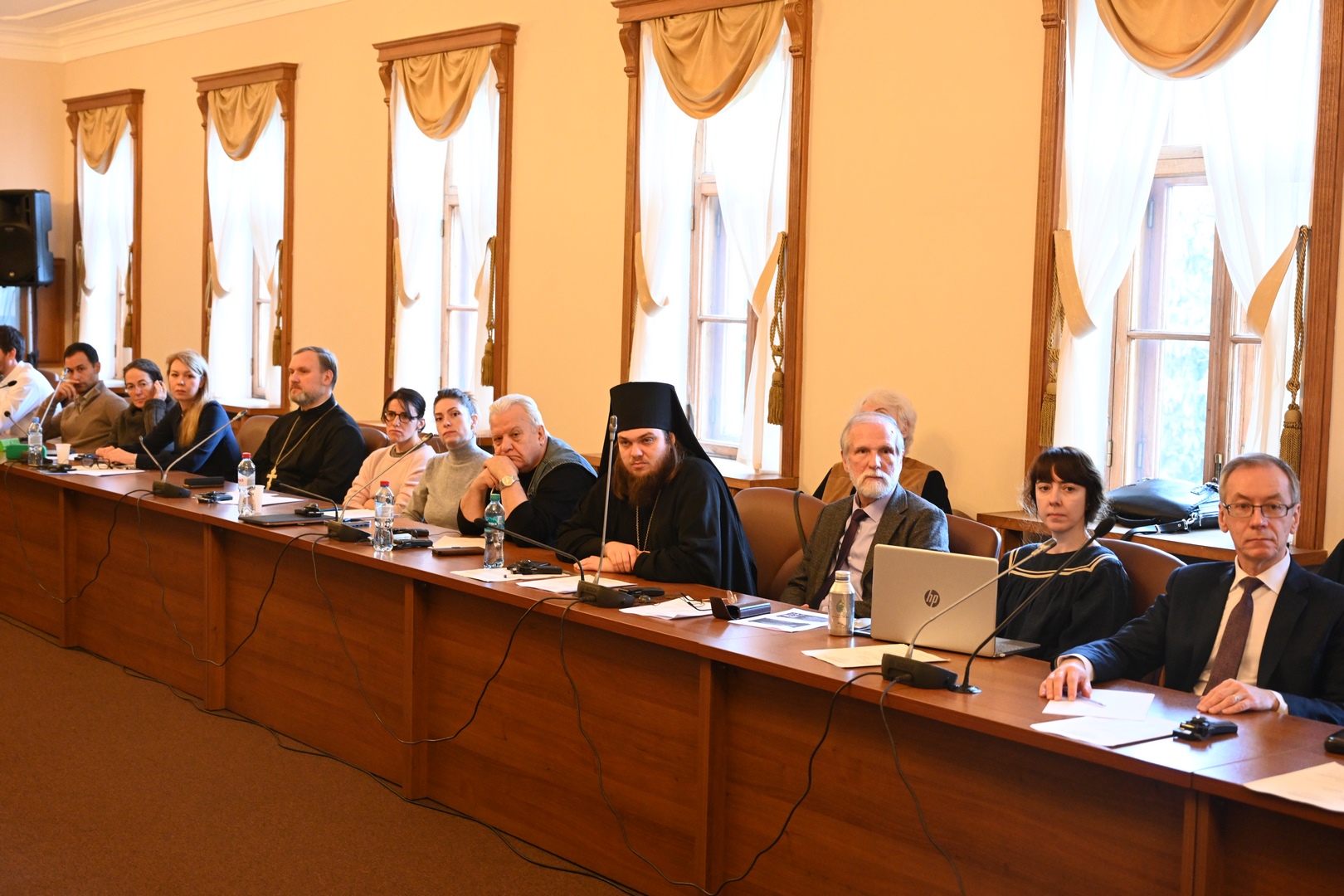
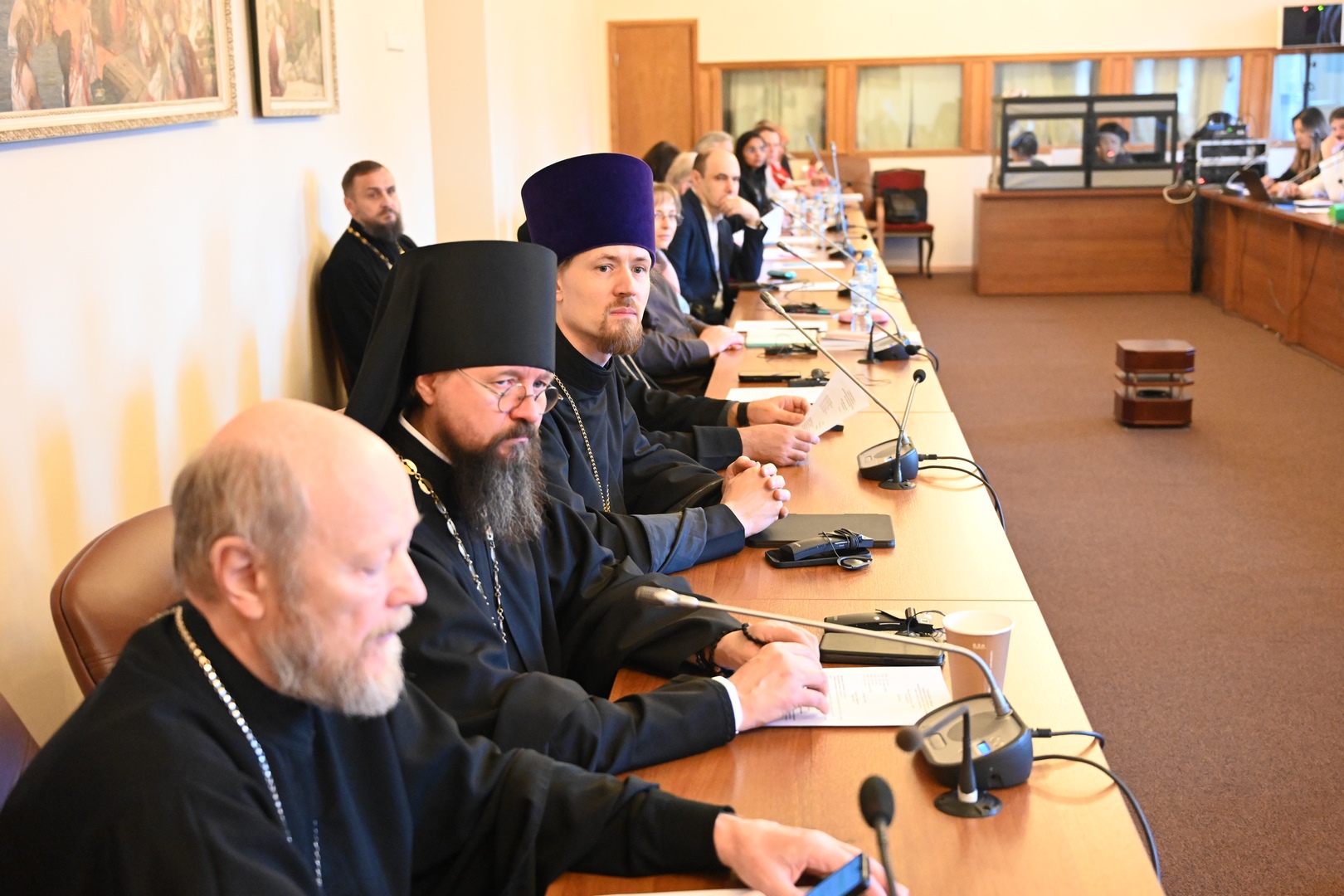
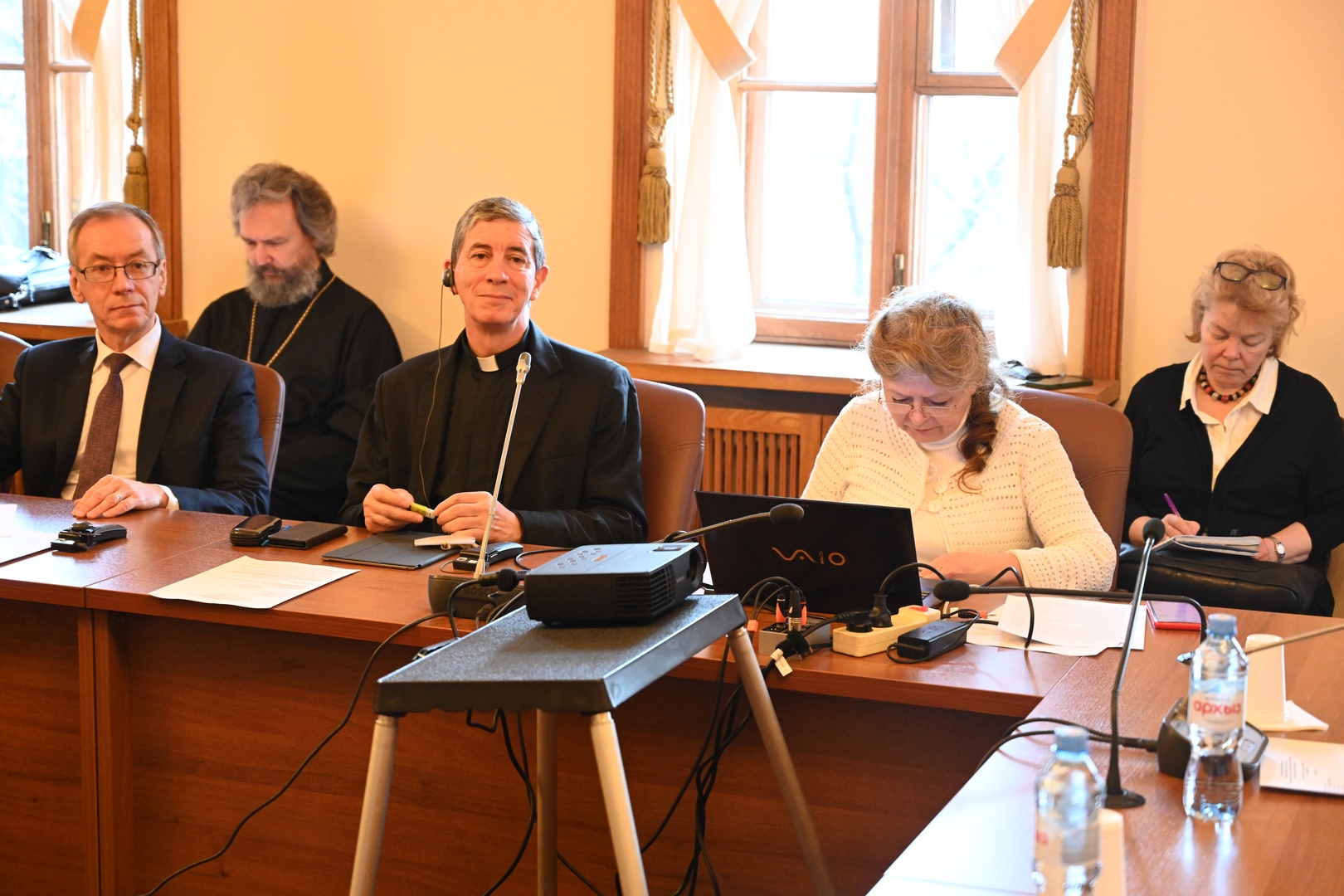
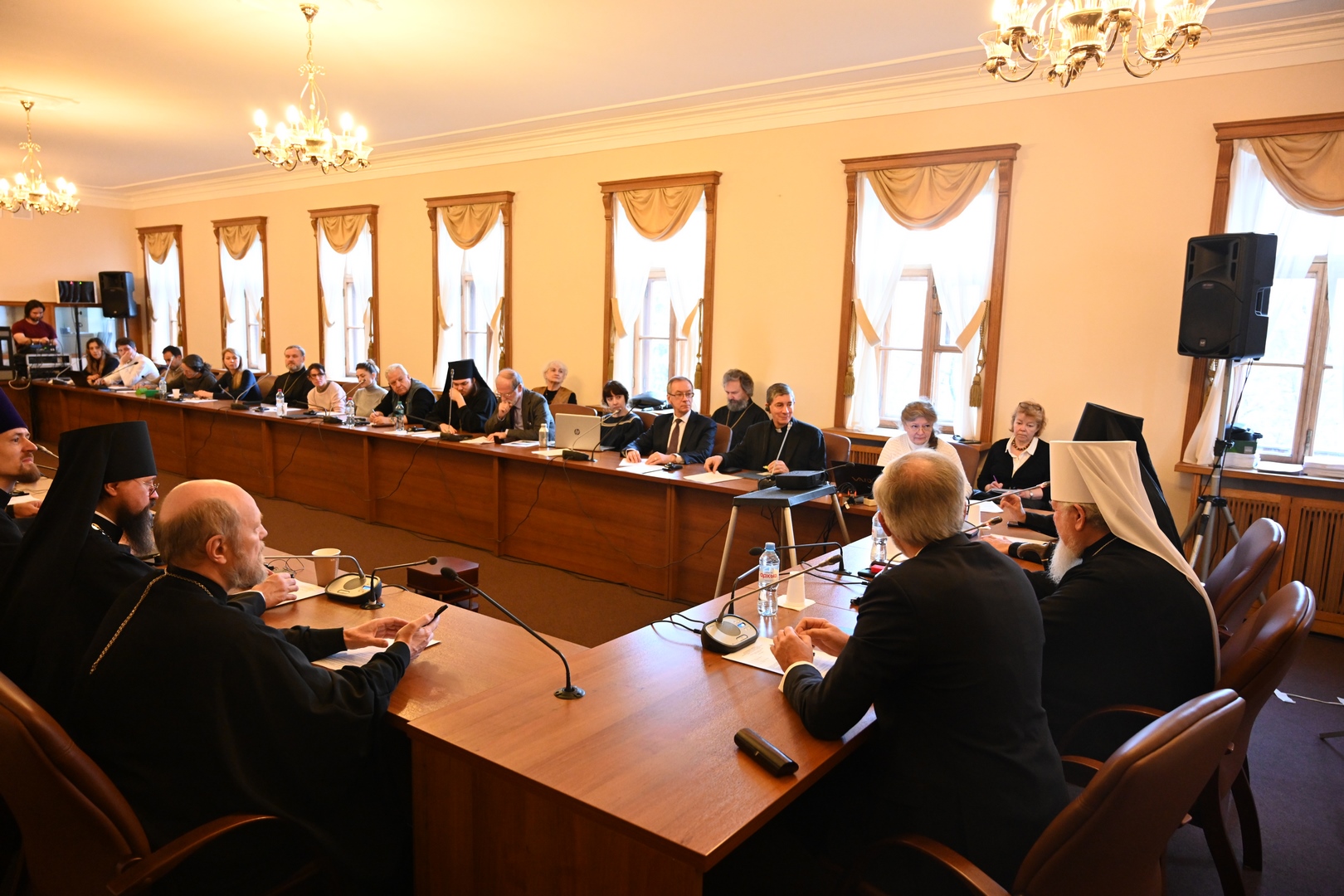
The 7th International Conference “The Church’s Care for People with Mental Illness: Concepts of Mental Disorders and Strategies of Assistance in the Dialogue between Clergy and Psychiatrists” took place on 28–29 November at the Department for External Church Relations of the Moscow Patriarchate.
The conference was jointly organized by the Commission on Church Education and Diakonia of the Inter-Council Presence of the Russian Orthodox Church, the DECR, the Section on Clinical Psychiatry, Religiosity, and Spirituality of the Russian Society of Psychiatrists, and the Federal State Budgetary Scientific Institution “Mental Health Research Center” (MHRC). Support for the organization of the meeting was provided by the international charitable foundation “Aid to the Church in Need.” A joint working group of the Roman Catholic Church and the Russian Orthodox Church on cooperation in the church–social sphere also took part in the preparation and conduct of the conference.
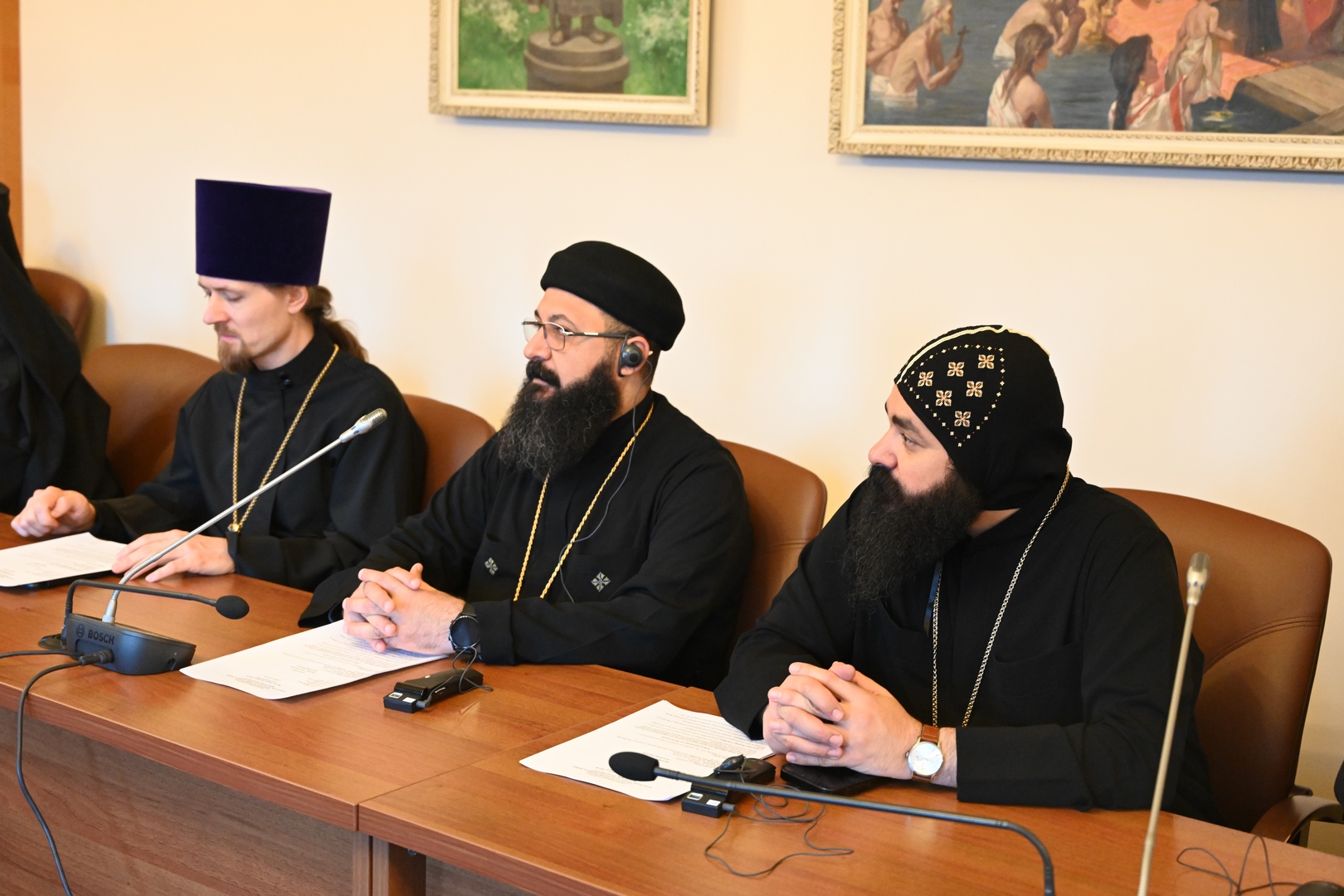
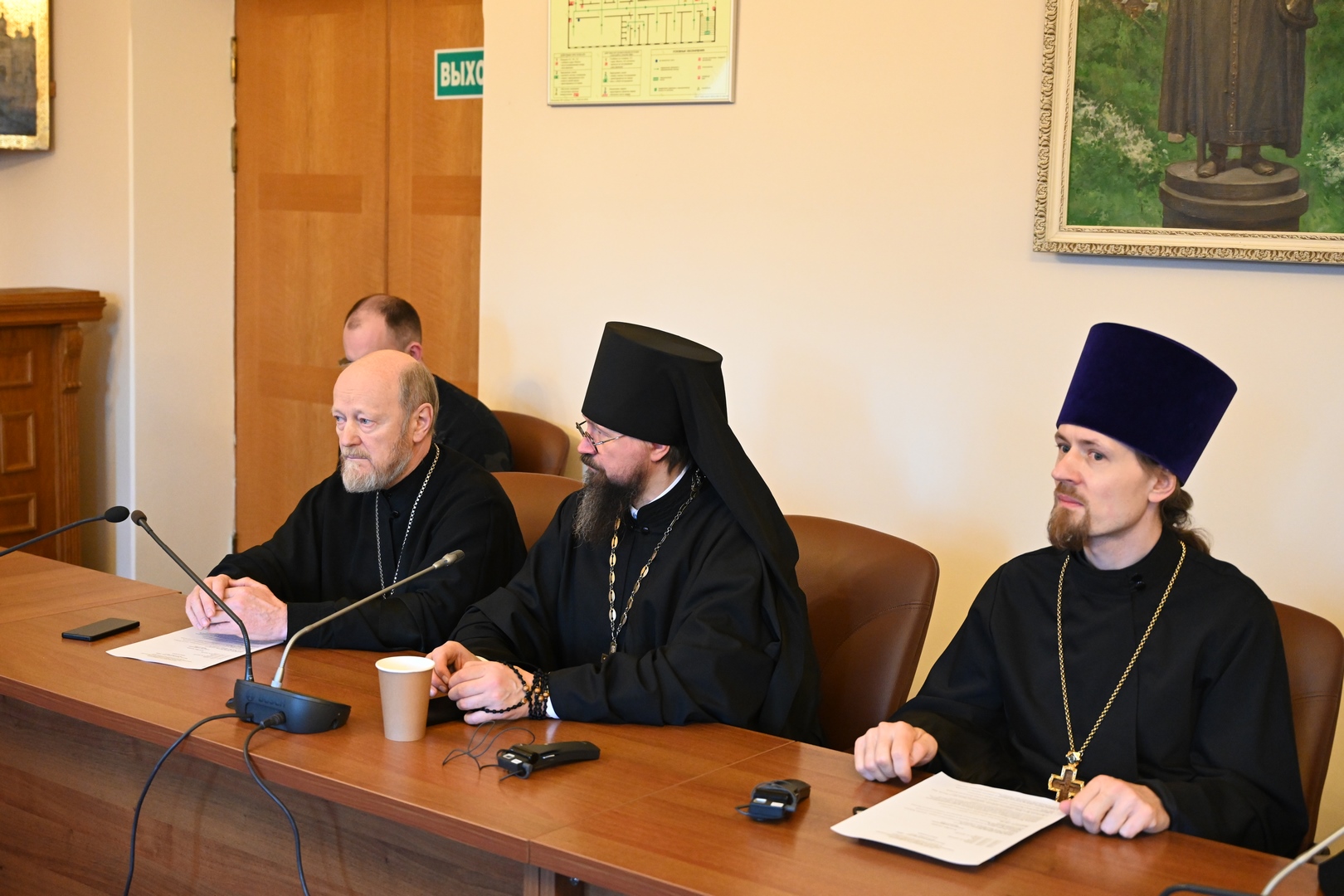
More than 60 participants fr om Russia, Belarus, Armenia, Spain, Italy, Egypt, Iraq, India, and Ethiopia took part in the conference; representatives of the Moscow Patriarchate, the Roman Catholic Church, the Ancient Oriental Churches (the Coptic, Armenian Apostolic, Ethiopian, and Malankara Churches), as well as the Assyrian Church of the East and the World Council of Churches. Among the participants were employees of state medical and research institutions, psychiatrists, psychologists, clergy and theologians, teachers and students of theological faculties and theological schools. The participants presented more than 30 papers.
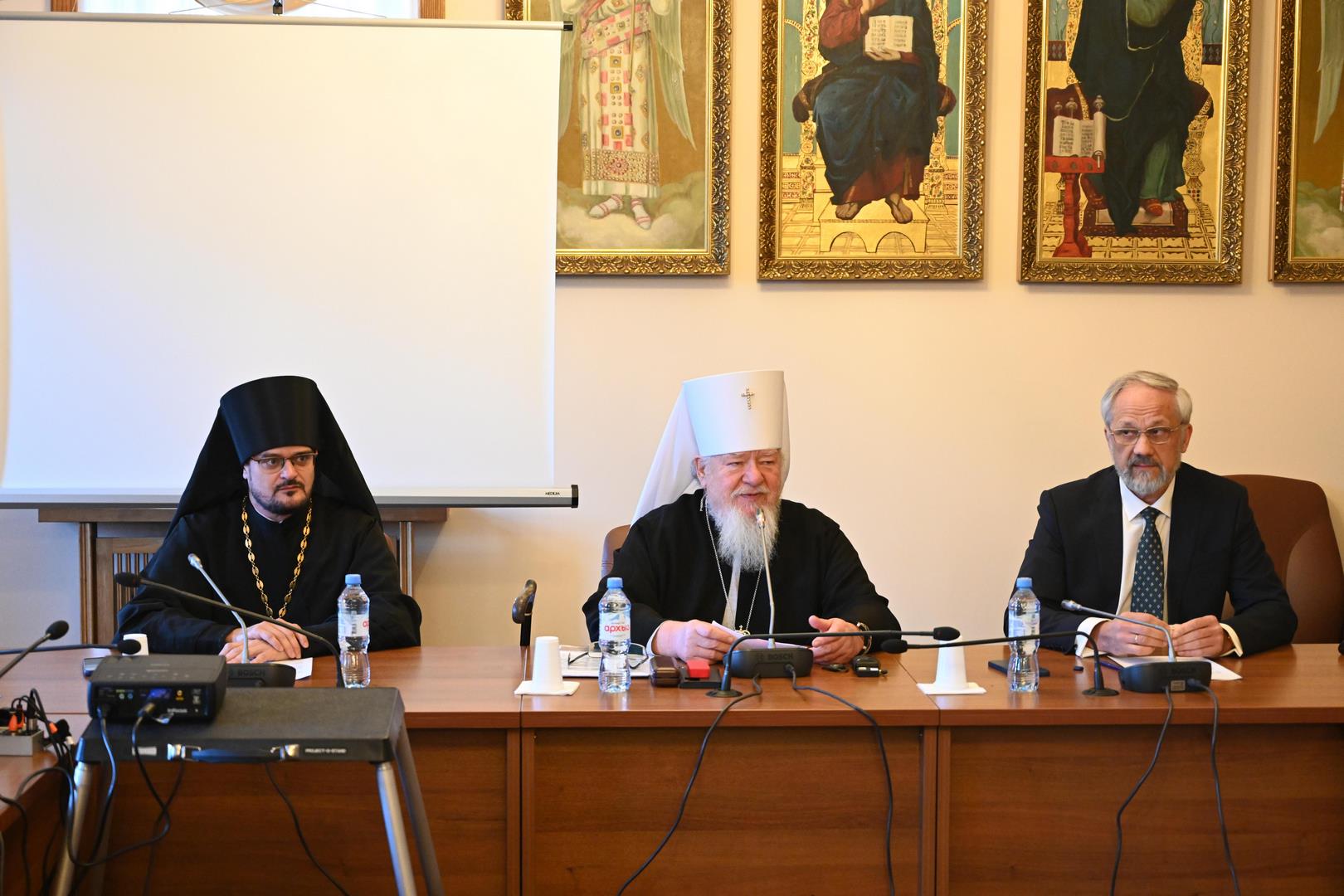
The conference was chaired by Metropolitan Sergiy (Fomin), head of the expert group for the development of the theme “Pastoral Care for People with Mental Illness” of the Inter-Council Commission on Church Education and Diakonia. The co-moderator of the conference was V.G. Kaleda, Deputy Director of the MHRC and Head of the Section on Clinical Psychiatry, Religiosity, and Spirituality of the Russian Society of Psychiatrists.
The participants of the conference were greeted by Hieromonk Stefan (Igumnov), Secretary of the DECR for Inter-Christian Relations. Father Stefan conveyed to those gathered the greetings of the Chairman of the Department for External Church Relations, Metropolitan Anthony of Volokolamsk, and noted the great importance of the conferences “The Church’s Care for People with Mental Illness,” which are held annually at the DECR venue: “Mental health is an area in which the Church and science act together. The results of each conference advance both medical science and theological vision with regard to the mental condition of the human person. We are especially glad that representatives of different confessions take part in these conferences: the most important scientific and theological work is carried out in interconfessional cooperation.”
Greeting the participants, Archpriest Valentin Vasechko, Deputy Chairman of the Educational Committee of the Russian Orthodox Church, noted the great importance of dialogue and cooperation between the Church and science in assisting people with mental illness and expressed the hope that the training of pastors in the field of psychiatry, which is already being carried out in a number of theological schools of the Russian Orthodox Church, will become part of the regular curriculum in all theological educational institutions.
On behalf of the charitable foundation “Aid to the Church in Need” and its leadership, P.V. Gumenyuk greeted the participants of the conference. He noted that in the face of the growing number of mental illnesses worldwide, coordinated and active cooperation of all social forces is necessary in assisting people suffering fr om mental disorders and their relatives, as well as the unification of the centuries-old experience of Christian religious communities and the achievements of modern medicine. The conference is an important platform for dialogue between science and faith, as well as a unique interconfessional forum that makes it possible to discuss common problems and jointly seek solutions.
Dr. Manoj Kurian, Director of the Commission of the Churches on Health and Healing of the World Council of Churches, conveyed greetings from the leadership of the WCC and wishes to the conference participants for success in discussions and debates. According to him, more than one billion people worldwide live with mental disorders, and most of them do not have access to adequate care. In this context, religious communities play an irreplaceable role by providing people with support, compassion, and hope. Specialists in the field of mental health, in turn, bring scientific knowledge, therapeutic skills, and life-saving measures. This conference, deepening the dialogue between clergy and psychiatrists, serves two important purposes: it strengthens the capacity of religious communities to understand, respond to, and accompany people living with mental health problems; and it allows mental health professionals to better understand the role, influence, and resources of religious communities, thereby contributing to the creation of more effective, integrated, and sustainable models of care.
In his opening report, “Care for the Suffering Soul: The Path of Synergy between the Church and Psychiatry,” Metropolitan Sergiy outlined a number of reasons for the worsening of mental well-being in the modern world. Among them are “all-pervasive loneliness, the root of which is … the loss of communion with God, egoism, the weakening of that sacrificial love which alone is capable of uniting people not only with one another but also with the Creator; a deep crisis of human identity; … the growth of a distorted worldview directly connected with defects in upbringing, the degradation of the educational system, and the digitalization of consciousness”; frequent psychotraumatic situations, and others. Analyzing the concepts of the emergence of mental disorders that existed in the past, as well as the approaches of modern medicine, the hierarch noted: “Before our very eyes, in the communication of Christians—doctors and clergy—a new, holistic concept of mental illnesses and behavioral disorders is gradually being born. This is the concept of mental illness as the suffering of an integral personality.” He called for the formation of an integral concept that would “recognize the existence of the spiritual core of the human person, which, although subject to various external influences, is nevertheless capable of free and responsible choice.”
V.G. Kaleda, Doctor of Medical Sciences, Deputy Director of the MHRC, Chairman of the Section “Clinical Psychiatry, Religiosity, and Spirituality” of the Russian Society of Psychiatrists, and Professor at the St. Tikhon’s Orthodox University of Humanities, in his report “Contemporary Concepts of Mental Illnesses and the Problems of Training Clergy in the Field of Pastoral Psychiatry,” emphasized the modern biopsychosocial-spiritual concept of the origin of mental illnesses, which, alongside biological, psychological, and social factors, underscores the significance of the spiritual sphere in human life and the presence of a value-meaning component. The speaker stressed the necessity of teaching the course “Pastoral Psychiatry” in all educational institutions of the Russian Orthodox Church and in clergy continuing education programs. V.G. Kaleda noted the existence of such experience at the Moscow Theological Academy (MTA), PSTGU, the St. Petersburg Theological Academy, the Belgorod and Voronezh seminaries, as well as in the educational institutions of the Belarusian Exarchate. Many years of experience in teaching this course at the MTA (since 1995) and PSTGU (since 2003) testify to the special practical significance of this subject for clergy.
Professor of the Pontifical University of the Holy Cross (Italy, Rome), Priest Wenceslao Domingo Vial Mena (Roman Catholic Church), delivered a report entitled “Strength in Hope: Psychological Resilience and Christian Spirituality.” Father Venceslao examined the concept of “resilience” as the ability to actively and with a positive attitude withstand adversity and psychological trauma, as well as a process of adaptation and transformation in which hope plays a key role, followed by enthusiasm, creativity, kindness, humor, curiosity, and courage. He spoke about the evolution of the concept of resilience, about its forms affecting all aspects of life—physical, cognitive, emotional, spiritual; and touched upon the topic of practical strategies that help strengthen resilience: “Hope should not be confused with optimism. Optimism expects only positive outcomes; hope accepts uncertainty and opens the soul to transformation… Christian hope is not naïve optimism, but faith in the presence of God even in calamity. It illuminates the past and strengthens the memory of the future… Every person needs hope for a worthy future; without it, life becomes paralyzed… And if natural hope fades with age, then supernatural, Christian hope sustains desire and grants what is called ‘eternal youth,’” noted the representative of the Catholic Church.
In the report by Archpriest Pavel Velikanov, Associate Professor of the Moscow Theological Academy and the Moscow State University of Psychology and Education, and leading expert of the Federal Center for Humanitarian Practices of the Russian State University for the Humanities, the key idea of Byung-Chul Han concerning “closure” (Schluss / Ent-schluss) as the main criterion of mental normality in the era of the achievement society was presented. Han shows that a person’s ability to set boundaries, complete actions, make choices, and stop the flow of stimuli is the foundation of mental health. The loss of this ability under conditions of digital openness, acceleration, and endless self-productivity leads to depression, anxiety, burnout, and the narcissistic disintegration of the subject. Through an analysis of the books The Agony of Eros and The Burnout Society, the speaker demonstrated why the restoration of negativity—pause, distance, contemplation, and “Sabbath” rest—becomes a necessary condition for preserving an integral personality and authentic relationships with the Other.
Manoj Kurian, Director of the Commission of the Churches on Health and Healing of the World Council of Churches (Geneva, Switzerland), in his video report “Living by the Nicene Creed: Significance for Mental Health, Healing, and Care for the Sick,” noted that over the 1,700 years that have passed since the era of the First Ecumenical Council, which adopted the Creed, Christians around the world have recognized it as a common confession of faith. He proposed “rediscovering the Creed not merely as a doctrinal statement, but as a living confession: a way of being that nourishes mental well-being, affirms human dignity, and calls us into communities of healing, justice, and compassionate care.” Analyzing each article of the Creed, the speaker showed how reflection on this text can guide the Church “toward more caring practices of pastoral care for people with mental illness,” “support those who suffer, resist stigmatization, and embody the healing love of Christ in the modern world.”
O.A. Borisova, Candidate of Medical Sciences, Leading Research Fellow of the Department of Transcultural Psychiatry of the MHRC, in her presentation spoke about the role of religiosity in transcultural research in psychiatry. Transcultural psychiatry is a clinical approach that integrates cultural context, including religiosity, into the diagnosis and therapy of patients from different cultures. The first and most important step in this approach is the determination of the patient’s “cultural formulation,” which is based on cultural identity—the subjective self-identification of a person with a particular culture, giving a sense of community and belonging, wh ere religious/spiritual beliefs serve as the central element. Religiosity influences all aspects of mental life and pathology: fr om etiology and symptomatology to methods of healing and support systems. Religion provides a ready-made system of meanings, shaping the worldview of the individual and the community, as well as a cultural framework that includes cosmology, chronology, and spatial representations. It shapes ethics, morality, everyday practices, rules of behavior, shared history, and a sense of common destiny. The influence of religiosity on the perception of mental pathology and participation in therapy manifests itself through the formation of a “cultural lens” through which a person perceives the world and the symptoms of a disorder. Religiosity participates in the creation of explanatory models of illness, influences the manifestation of symptoms (culturally determined syndromes), as well as coping strategies and support systems. Thus, consideration of religiosity and spirituality is critically important for effective and culturally sensitive practice in transcultural psychiatry.
The presentation by A.G. Alekseeva, Candidate of Medical Sciences, Senior Research Fellow of the Department of Transcultural Psychiatry of the MHRC, was devoted to transcultural aspects of religious delusions. The report examined the concept of religious delusions, their diagnostic and clinical significance, and the dependence of the frequency and content of religious delusions on the type of culture (atheistic, secular, confessional, traditional) and historical period. It was noted how universal manifestations of states with religious delusions are “filled” with religious content in different cultural and confessional contexts. Using examples from various religious traditions, the speaker demonstrated how the same forms of psychosis with religious delusional content are filled with different symbolism and may be interpreted as either norm or pathology. In conclusion, she drew attention to the necessity of taking into account cultural and religious tradition and using culturally competent diagnostics that consider the context of beliefs and use religiosity as a coping resource.
In her report “Ethical and Spiritual Aspects of Dementias,” L.E. Pishchikova, Doctor of Medical Sciences, psychiatrist, Head of the Department of Gerontopsychiatry of the V.P. Serbsky National Medical Research Center of Psychiatry and Narcology of the Ministry of Health of Russia, spoke about the challenges associated with the global epidemic of dementias observed worldwide, the ethical and spiritual aspects of this condition, and the particular vulnerability of people with dementia related to stigmatization, discrimination, and abuse. The report presented WHO data indicating that by 2050 the number of people with dementia worldwide may reach 153 million, which could undermine the planet’s economic development on a global scale. She spoke about the problem of insufficient and delayed diagnosis of dementias and the absence of a coherent model for organizing long-term care (from diagnosis until the end of life) for people with dementia. She informed the audience about the ethical code concerning elderly people, including people with dementia, developed and published in 2020 by the Church–Public Council on Biomedical Ethics. Lyubov Evgenyevna also spoke about the document of the Greek Orthodox Church, “Theological and Ethical Aspects of Dementias,” which sets forth the theological justification for attitudes toward people with dementia and, in particular, notes that the image of God is not lost in dementia; despite the fact that a person’s intellect may weaken, through the soul he or she continues to enter into communion with God. For this reason, a person suffering from dementia should count on respect from others, “on a par with embryos and infants,” and care for such a person may be regarded as service and a blessing.
E.V. Gedevani, Candidate of Medical Sciences, Senior Research Fellow of the Department of Transcultural Psychiatry of the MHRC, delivered a report entitled “Explanatory Models of Illness, Healing, and Health in Various Cultures and Religious Traditions.” Explanatory models can differ significantly, which is reflected in how health, symptoms of illness, its course, and the process of recovery are perceived in various cultures and religious traditions. There are even entire systems of views on health, such as Ayurveda, which considers physical, social, ethical, and spiritual aspects of health and illness. Researchers in the field of psychiatry, beginning already in the 1970s, described “culture-specific illnesses” or “culturally bound syndromes,” the peculiarity of which lies in their mismatch with known psychopathological disorders. The physician’s understanding of the patient’s ideas about how exactly their illness develops and what they see as healing is an obviously necessary condition of the therapeutic process, as it contributes to the formation of adherence to treatment and may influence the prognosis of the disease as a whole.
Dr Remonda E. Armia, Candidate of Psychological Sciences, Associate Professor at the University of Duhok (Iraq) (Assyrian Church of the East), spoke about a study entitled “Religious Beliefs and Their Relationship to Mental Health.” Its results showed that contemporary theoretical models proposed by psychiatrists agree that religious beliefs are a cognitive-affective element that contributes to strengthening mental health, and that the quality of religious beliefs is the most important factor determining their influence. Positive religious coping acts as a protective factor associated with a reduction in symptoms and in the level of depression and anxiety, as well as with increased psychological resilience and well-being. By contrast, negative religious beliefs (such as a sense of punishment or Divine wrath) are associated with heightened psychological distress and hopelessness. Based on the results obtained, a number of recommendations and proposals were developed. Some of them concern the prospects for conducting research in Iraq, whose population, especially during the occupation by the terrorist organization ISIS (banned in the Russian Federation), endured many trials connected with kidnappings, killings, and the displacement of Christians from their districts and villages, as well as the mass destruction and desecration of churches. As a result, many people still suffer from psychological and spiritual trauma.
A report on the issue of stigma in the transcultural aspect was delivered by G.I. Kopeiko, Candidate of Medical Sciences, Head of the Department of Transcultural Psychiatry; T.V. Vladimirova, Candidate of Medical Sciences, Senior Research Fellow; and A.G. Alekseeva, Candidate of Medical Sciences, Senior Research Fellow of the Department of Transcultural Psychiatry of the MHRC. The report analyzes the stigmatization of people with mental illness as a social construct closely connected with cultural and religious contexts and emphasizes that, according to WHO data, this problem is one of the key issues in public health, on a par with depression. Stigma, interpreted as a biased negative attitude manifested in discrimination, is divided into external (public) and internal (self-stigmatization). The speakers emphasized religious and cultural differences in attitudes toward people with mental illness (in Islam, in traditional Chinese, Indian, Jewish, and African religious systems, in the Orthodox tradition, and in Western Christianity), and also presented contemporary research approaches (adaptation and validation of stigma scales) and multi-level strategies for overcoming stigma: improving treatment and compliance, contact programs with people in recovery, training religious leaders, involving religious communities and the media, changing the teaching of psychiatry, and developing interprofessional and interdisciplinary alliances. Separately, the presenters dwelt on the consequences of stigmatization (difficulties with employment and social integration, a high level of refusal from seeking help) and formulated understudied questions, including, in particular, regarding the conditions under which a religious community acts as a resource or, conversely, as a source of additional traumatization, as well as the prospects for integrating traditional practices into the healthcare system.
Hieromonk Amphilochiy, a postgraduate student of the Moscow Theological Academy, delivered a report entitled “A Theological View of Despondency and Depression (Toward a Delimitation of Concepts),” in which he spoke about the fundamental difference between acedia (despondency) and the mental disorder—depression. The similarity of their external manifestations often leads to an erroneous conflation of these concepts, when depression may be perceived as a sign of sinfulness or weakness of faith. This, in turn, creates a serious danger, since a person in need of medical assistance may not receive it in time, which aggravates both the course of the illness and the spiritual crisis. As a solution, the report proposes an integrative model of assistance combining medical treatment and pastoral care, which makes it possible to approach healing holistically and corresponds to the position of the Russian Orthodox Church, which calls for cooperation between physicians and clergy.
L.V. Andrianova, a practicing psychologist, member of the Association of Understanding Psychotherapy, author and instructor of training courses on child and adolescent psychotherapy, as well as of a monograph devoted to understanding psychotherapy of children and adolescents, spoke on the topic “A Typology of Life-Worlds as a Key to Understanding Psychopathology of Different Levels. The Paradoxes of Universality.” In her report, she compares Otto Kernberg’s psychoanalytic classification of levels of psychic functioning with F.E. Vasilyuk’s typology of life-worlds. As a result of the comparison, four types of tactics for a psychologist’s work are proposed, based on the level of the client’s psychic functioning and the type of their experiencing: infantile, realistic, value-oriented, and creative. Each type of experiencing corresponds to its own life-world with a number of ontological characteristics. From a practical point of view, the type of psychic functioning allows the psychologist to assume which type of experiencing dominates in the client and to plan more precisely the psychotherapeutic strategy of work with them.
Priest Ioann Bakushkin, a graduate of postgraduate studies in psychological sciences and a master’s student at the St. Cyril and Methodius Institute of Postgraduate and Doctoral Studies, presented a report on the conducted study “The Relationship between Spiritual Well-Being and Destructive Personality Traits.” In 2025, Priest Ioann Bakushkin, together with Doctor of Psychological Sciences, Professor of RUDN University R.V. Ershova, adapted a Russian-language version of the questionnaire “Spiritual Well-Being Scale,” which is used worldwide as a psychometric instrument. A study was also carried out with 959 respondents, devoted to the nature of the connection between spiritual well-being (as an integrative and systematic indicator of the measure of health and life satisfaction) and destructive personality traits—Machiavellianism, psychopathy, narcissism, and sadism. This area remains among the least studied, and on a Russian sample such studies had previously been absent. The obtained results indicate that the relationship between spiritual well-being and destructive personality traits is not simply negative but includes complex interactions. A key discovery was a change in the direction of the association of psychopathy with religious well-being from negative in a unidimensional model to positive in a multidimensional model when controlling for sadism. This work makes it possible to expand conceptions of spiritual well-being as a most important factor contributing to mental health and social adaptation of people prone to deviant and antisocial behavior.
In the report “Personal Religiosity as a Psychological Phenomenon,” A.V. Nemtsev, Candidate of Psychological Sciences, Acting Head of the Department of Fundamental Psychology and Behavioral Medicine of the Siberian State Medical University of the Ministry of Health of the Russian Federation, examined the phenomenon of personal religiosity. For this purpose, on the basis of clinical observations (his own and those of colleagues), he suggested the presence of three levels of religiosity: religiosity of consciousness, religiosity of activity, and religiosity of personality. Merged in the case of mentally healthy people, these levels appear as separate forms in the case of people with mental illness. Further study of these forms will make it possible to specify the structural and genetic aspects of personal religiosity.
Priest Vyacheslav Voynov, Candidate of Technical Sciences, Deputy Director of the “Technobiomed” Research Institute (RosUniMed), Associate Professor of the St. Nicholas-Ugresh Theological Seminary, and a postgraduate student at the St. Petersburg Theological Academy, delivered a report entitled “A Theological Interpretation of the Concept of Pharmacological Moral Enhancement.” He noted that in contemporary foreign scientific circles, as an alternative to traditional methods of moral development, the possibility of using pharmacological means for these purposes is increasingly being discussed. It is assumed that these agents, acting on the central nervous system, may potentially influence human behavior and moral choices. Within the framework of the report, an analysis was presented of one of the most radical ideas in this area, which found its practical realization in the famous “Good Friday Experiment” conducted in 1962 in the USA. Its essence consisted in an attempt at the targeted improvement of a person’s moral state by inducing a mystical religious experience using a psychoactive substance. The particularity of the experiment lay in the synthesis of psychopharmacology and mystical experience: the goal was to evoke a profound spiritual experience of “communion with God” which, according to the authors’ design, was to lead to a lasting moral transformation of the personality. The report also presented a theological assessment of this concept of “moral enhancement” from the standpoint of the patristic heritage of the Orthodox Church and the principles of Orthodox anthropology.
D.Yu. Beknazaryan, Candidate of Medical Sciences, subdeacon (Armenian Apostolic Church), raised in his report a topical theme: the limits of competence of clergy and psychiatrists in distinguishing spiritual problems from mental disorders. Historically, such states were often explained exclusively by spiritual causes. However, even the Fathers of the early Church called for caution, distinguishing illness from spiritual influence. The speaker emphasized that the psychiatrist deals with the diagnosis and treatment of mental disorders on the basis of scientific data. The clergyman, in turn, provides spiritual assistance aimed at overcoming an existential crisis, restoring a person’s inner integrity and their connection with God. This approach makes it possible to avoid extremes and promotes responsible cooperation between medicine and the Church. Special attention in the report was given to difficult cases wh ere the symptoms of psychosis and supposed possession are similar. This requires great caution and cooperation among specialists. A complete rejection of medicine or an ignoring of the spiritual component can lead to tragic consequences.
The speaker also presented the position of the Armenian Apostolic Church. As early as the 4th century, hospitals and shelters were founded at monasteries, wh ere they helped sufferers fr om both bodily and mental ailments. The Fathers of the Armenian Church, in particular Grigor Tatevatsi, insisted on the necessity of distinguishing spiritual influence fr om mental illness, showing the suffering mercy rather than condemnation. Today, clergy of the Armenian Apostolic Church closely cooperate with physicians and psychologists. When signs of mental disorders are present, they refer people to receive medical assistance, while simultaneously providing spiritual care, prayerful support, and pastoral accompaniment. The main conclusion: true care for a person is possible only through respectful and consistent cooperation between the Church and medicine. Each side must act within the limits of its responsibility, preserving fidelity to spiritual tradition and scientific truth.
Priest Tewodros Mengistu (Ethiopian Church) spoke on the topic “Training Clergy of the Ethiopian Church to Integrate Spiritual Practices with Psychotherapy: A Combined Model Inspired by the Basiliad.” The Ethiopian Church has an extensive system of theological and religious education. However, there is an acutely felt lack of mental health literacy among the clergy, widespread stigmatization of mental illnesses, and the absence of a “bridge” between the Church and mental health clinics. The priest has great authority and is usually the first person to whom a suffering person or family turns. Therefore, he must be taught not only to provide spiritual help, but also to recognize symptoms requiring professional medical intervention, to advise believers to turn to physicians for treatment as an additional, God-given means of healing, without undermining their religious faith. The education of priests in the field of psychiatry must be integrated into the system of religious education. In the speaker’s view, the model of the Basiliad—a complex of hospitals and other diaconal institutions created by Saint Basil the Great (c. 330–379), Archbishop of Caesarea in Cappadocia—serves as an ideal conceptual foundation for integrating clinical and spiritual assistance into the system of theological education of the Ethiopian Church.
Priest Raphael Tawfik Zaher, Candidate of Medical Sciences, Professor of Psychology and Psychiatry at the Orthodox Theological College (Coptic Church), delivered a report entitled “Integrating the Priest, the Psychotherapist, and the Psychiatrist for Serving People and Helping Them Overcome Difficulties and Receive Treatment.” In an era of growing psychological and social problems, the question is not whether the Church should be involved in this, but rather how it should cooperate with other specialists without duplicating one another. Integration is not a mixing of roles, but respect for their boundaries in serving the one person. The speaker outlined the role of the priest, the psychiatrist, and the psychotherapist at different stages of work with people with mental illness: in diagnosis, in primary therapeutic intervention, and in case management—noting that this approach allows representatives of different professions not to compete but to unite within a unified approach to treatment. In the Coptic Church, the training of clergy and church workers to work with people with mental illness is carried out at the Institute of Care and Education, at the Coptic Institute of Psychological Studies, and in counseling schools operating in Egypt. This training includes: the basics of mental health, first-aid skills, correct referral to other relevant specialists, and the ability to distinguish spiritual and psychological disorders.
Joan D’Avila Juanola Cadena, Doctor of Psychological Sciences, Director of the Bachelor’s Program in Psychology, Faculty of Psychology, Abat Oliba CEU University (Barcelona, Spain), spoke on the topic “Humanizing Psychology through Christian Anthropological Formation of Future Psychologists.” He noted that psychotherapy always rests on a certain anthropology, which determines its understanding of mental health and illness, as well as suitable ways of intervention to achieve them. The clinical approach, which increasingly predominates in psychology, endangers the necessary humanistic formation of future psychiatrists. In addition to knowing effective practices, they must understand human nature, because they will work with people, not with pathologies. Otherwise, there is a risk of superficial, symptomatic work with illnesses, similar to treating a fever without eliminating its cause—an infection. Such specialists lack criteria enabling them to help people go beyond the alleviation of symptoms that cause discomfort. Therefore, future psychotherapists need anthropological education that allows them to understand the vicissitudes of human life and, as a consequence, to provide existential support to a person. Anthropological formation should address the fundamental questions of human existence, such as evil, freedom, and the meaning of life. Christian anthropology can shed light on pathological states and the corresponding therapeutic actions without resorting to superficial or dehumanizing approaches. The recognition of emotional disorders, due to which people usually do not make optimal decisions spontaneously, and an understanding of health not as an unstable equilibrium but as commitment to meaning that goes beyond one’s own “self,” are key aspects for adequate therapeutic progress.
M.A. Palchikov, Candidate of Medical Sciences, Associate Professor of the Department of Psychiatry with Narcology (N.N. Burdenko Voronezh State Medical Academy), devoted his presentation to the topic “Points of Contact between Religion and Psychotherapy: Confession, the Psychotherapeutic Process, Family Therapy.” He addressed issues of interaction between a clergyman and a physician-psychiatrist, psychotherapist, and psychologist; spoke about the similarity of concepts of various approaches of psychotherapy and religious sacraments such as confession. The speaker analyzed certain aspects of such psychotherapeutic approaches as psychoanalysis and acceptance and commitment therapy through the prism of the commonality of certain components of these approaches with religious tenets. Special attention was given to the issue of separation as a psychological and therapeutic process, showing the importance of this process in the formation of an adult personality. Maksim Aleksandrovich emphasized the importance of dialogue between children and parents, drew analogies between the work of the therapist and the clergyman in the separation process, and gave particular attention to the significance of the three-generation family as a factor significant for separation.
Priest Nikolai Ustinov, cleric of the Church of St. Euphrosyne, Grand Princess of Moscow, in Kotlovka, Head of the Soul-Care Center named after Hieromartyr Vladimir (Bogoyavlensky), a postgraduate student of the St. Petersburg Theological Academy, delivered a report on the topic “Interaction between Clergy and Psychiatrist Physicians: A Theological-Anthropological Interpretation of Illness in a Multidisciplinary Approach.” Father Nikolai presented the theological foundations for interaction between clergy and psychiatrist physicians in the context of understanding, prevention, and treatment of mental illnesses, wh ere illness is viewed as a phenomenon affecting not only the psychophysiological but also the spiritual side of human existence. Orthodox anthropology contains conceptual foundations for integrating the medical approach within a holistic model of understanding human nature, wh ere the physician and the priest can act as co-workers in the formation of a healthy person. Within the framework of a comprehensive approach, using practical examples, forms of professional interaction between priests and psychiatrist physicians were presented. A conclusion was made about the need for interdisciplinary cooperation based on a holistic understanding of the person, which will contribute to building a more effective system of spiritual-psychiatric assistance oriented toward the formation of a healthy person.
B.A. Voskresensky, Candidate of Medical Sciences, Associate Professor, and R.I. Begmatov, assistant at the Department of Psychiatry and Medical Psychology of the Institute of Neurosciences and Neurotechnologies of the N.I. Pirogov Russian National Research Medical University, presented a report entitled “Some Aspects of Teaching Psychiatry in a Theological Educational Institution.” They noted that the transition to Christian life inevitably transforms a person’s worldview, way of life, and personal qualities. These changes, sometimes radical, often generate doubts about one’s mental health both in the person themselves and in their loved ones. Society, moreover, constantly asks about the influence of a religious way of life on the psyche: is it health-giving and elevating, or, on the contrary, does it suppress the person? It is important to take into account that in the Church, as in any social (and in this case, God-human) structure, there may be people with already existing mental disorders. This raises a number of questions: do they have the right to be in the Church, how does following the canons influence their mental state? Are mystical experiences and “illuminations” a high spiritual experience or a deviation fr om the norm? Within the discussion of the report, particular attention was given to the possibility and expediency of cooperation between clergy and psychiatrist physicians, as well as the knowledge in the field of psychiatry necessary for clergy. The conference participants came to a common opinion about the importance and effectiveness of such interaction in helping mentally ill believers, having developed a number of practical recommendations.
Mar Álvarez Segura, Doctor of Medical Sciences, Professor at Abat Oliba CEU University, Department of Child and Adolescent Psychiatry, Sant Joan de Déu Hospital (Barcelona, Spain), in her report “Psycho-Spiritual Integration of an Adolescent with Post-Traumatic Stress Disorder,” noted that in the field of mental health there is no single agreed definition of spirituality, and that existing definitions have two shortcomings: first, they “confuse spiritual experiences with the outcomes of well-being”; and second, they demonstrate substantial anthropological confusion, since they consider these experiences to be focused rather on self-realization than on relationships with others and with the Absolute. Using real clinical cases from her practice, the speaker showed that “besides traumatic experiences that break us and make us ill, there are other types of experiences that push us from within and invite us to come out of our shell in order to connect with others.” “These experiences give meaning and a genuine direction to the striving for closeness with others, helping to avoid an egocentric withdrawal into oneself, into which many pseudo-spiritual practices often fall.” They require spiritual openness from the person who receives them, and sheer willpower is not enough, because they are preceded by an invitation.
N.N. Osipova, Doctor of Medical Sciences, Professor, and I.Yu. Mashkova, Associate Professor of the Department of Psychiatry and Narcology of the Federal State Budgetary Educational Institution “Russian University of Medicine” of the Ministry of Health of Russia, delivered a joint report entitled “Clinical and Psychological Approaches to Understanding Combat Psychological Trauma,” which examines the basic concepts of “combat trauma” and “combat stress” from the perspectives of psychology and medicine, predictors of the formation of post-traumatic stress disorder in combat conditions, including personality characteristics, the state of mental health, and the timeliness of psychological and psychotherapeutic intervention. The speakers spoke about the pressing problem of diagnosing adjustment disorders in combatants, and also addressed issues of turning to spiritual and religious coping in experiencing a crisis.
Ashley Mariam Punnoose, Associate Professor of the Department of Psychology at St. Berchmans College, Changanassery (Kerala, India) (Malankara Church), in her report “Increasing Responsibility and the Development of Self-Awareness among Middle-Aged Christian Widows from Kerala, India: A Psychological Perspective,” spoke about a study conducted among middle-aged widows in Kerala that was aimed at examining psychological characteristics and factors influencing changes in these women’s self-awareness during their adaptation to a new role in society after the loss of a spouse. Common themes in their lived experiences were identified: loss of hope, constant grief, distress due to social stigmatization, increased responsibility for the family, the need for love and support, and others. The results of the study provided valuable information regarding the need to create support systems consisting of family, friends, and the community that would help widows cope with grief and practical everyday problems.
N.V. Gromova, Deputy Director for Ideological Work of the Republican Scientific and Practical Center for Mental Health, Chief External Specialist in Medical Psychology of the Ministry of Health of the Republic of Belarus, and Archpriest Pavel Serdyuk, Chairman of the Synodal Department for Family, Protection of Motherhood and Childhood of the Belarusian Exarchate of the Russian Orthodox Church, delivered a joint report at the conference entitled “The Experience of the Belarusian Orthodox Church in Pastoral Support for a Family Wh ere a Child Has Committed Suicide. Causes of Suicidal Behavior among Minors.” They noted that suicidal behavior in children represents one of the most acute problems of modern society and examined key causes of suicide, among which family disorganization occupies a special place. The report presented an analysis of data from domestic and foreign studies confirming the significance of an interdisciplinary approach to the prevention and correction of suicidal manifestations. Special attention was given to the role of the family, the Church, and state institutions in providing comprehensive assistance in crisis situations, including the first 24 hours after the tragedy, accompanying the family to the funeral, and preventing post-traumatic stress disorder. The speakers noted the spiritual and pastoral significance of performing the funeral rite even in cases of the suicide of a minor; they also spoke about the system of emergency psychological assistance in Belarus, including number 133—a nationwide 24/7 free crisis-support service.
N.S. Rutkovskaya, Candidate of Medical Sciences, psychotherapist at the S.M. Kirov Military Medical Academy (St. Petersburg), and Archpriest Georgy Ioffe, rector of the church of the icon of the Mother of God “Soothe My Sorrows” at the psychiatry clinic of the S.M. Kirov Military Medical Academy, and lecturer of the St. Petersburg Theological Academy, also delivered a joint report entitled “Features of the Religiosity of Patients with Mental Disorders—Participants in the Special Military Operation.” They spoke about their study, the aim of which was to analyze features of the religiosity of patients of the psychiatry clinic of the Military Medical Academy who took part in the SMO. The structure of mental disorders and features of religiosity were studied in 55 patients who took part in the SMO, after which they underwent examination and treatment at the psychiatry clinic of the Military Medical Academy and actively attended the church attached to the clinic. Among them, a predominance of neurotic and stress-related disorders was noted. In addition, a questionnaire survey was conducted among 30 patients who, at the time of the survey, were not attending church and were receiving treatment at the psychiatry clinic after participation in the SMO. It was found that the majority of Orthodox patients could be classified as people who are only weakly churched and have extremely limited knowledge of their faith. It can be assumed that both of these factors influence self-reflection and motivation when an opportunity arises to choose one’s own position on religious matters outside extreme combat conditions.
T.B. Ryazanova, Candidate of Psychological Sciences, Associate Professor at PSTGU, delivered a report on the topic “The Dialogical Psychotherapeutic Approach of T.A. Florenskaya as a Spiritually Oriented Concept of Psychological Health.” The main principle of the dialogical approach developed by T.A. Florenskaya in the 1970s–1990s is the recognition in every person of a spiritual “I” which is, in essence, a gift of God and the prospect of a person’s development in their earthly life and in Eternity. This is the only concept in world psychotherapy that introduces such a concept; at the same time, it is emphasized that the reality designated by it cannot become an object of scientific research, since it lies beyond the possibilities of objective science, but it is manifested in living dialogue, in communication. The most important task of the psychotherapist is to hear the voice of the interlocutor’s spiritual “I,” to support this voice, helping the person to feel it as the most important part of themselves. If this succeeds, and if the person freely makes the decision to obey this voice, then a certain transformation of their state occurs, which has received the name catharsis. The restoration of psychological health, manifested in the disappearance of phenomena of depression, despair, irritation, suicidal thoughts, and others, is a consequence of this restoration of the correct hierarchy of the spiritual, the mental, and the bodily in the human person.
N.V. Lazko, Candidate of Medical Sciences, employee of the Federal State Budgetary Institution “V.P. Serbsky National Medical Research Center” of the Ministry of Health of Russia, delivered a report entitled “The Impact of Fraudulent Actions and Periods of General Social Tension on Mental Health.” She reported that for the purpose of a preliminary generalization of data on mental disorders in victims of fraudulent actions and their consequences, during 2025, 65 people aged 18 to 82 years (15 men and 50 women), who had not previously suffered from any mental disorders, were examined. Regardless of age, education, and social status, in the current situation, among people who suffered from the actions of fraudsters, besides psychological problems, mental disorders arose with a predominance of anxiety-depressive symptomatology—from relatively mild to more pronounced in older age groups; and in many cases a spiritual crisis was also observed, which in sum requires coordinated activity of a psychiatrist, psychologist, and clergyman.
In the report by A.I. Magay, Junior Research Fellow of the Department of Transcultural Psychiatry of the MHRC, “Psychosocial Rehabilitation of Families with Mental Disorders on the Basis of a Spiritually Oriented Approach,” theoretical concepts of assisting families of people with mental illness using spiritual support and religious coping were examined. The author also shared experience of practical work with such families on the basis of state institutions and public organizations. He noted that it is important to use the rich experience of psychosocial assistance accumulated by the global scientific community and to refract it within the tradition of a spiritually oriented approach and a religious worldview. Religious coping, as an important instrument of such transformation, makes it possible not simply to duplicate the experience of family counseling, but to enrich it with new resources and possibilities contained in spirituality and religiosity. The report presented the structure of consultative assistance, as well as the stages and results of similar work carried out by MHRC staff under the guidance of Candidate of Medical Sciences G.I. Kopeiko and Doctor of Medical Sciences V.G. Kaleda. The speaker drew attention to the importance of continuing this work, analyzing practical experience, and conducting qualitative and quantitative studies demonstrating the effectiveness of this promising area of activity.
At the conclusion of the conference, Metropolitan Sergiy noted the constructive attitude of the participants and the desire to understand one another, as well as the call in many reports to view the human being as a person, as an integral whole regardless of the nature of their illness.