
A delegation of monastics from the Russian Orthodox Church on pilgrimage to Egypt
DECR Communication Service, 16.11.2025.
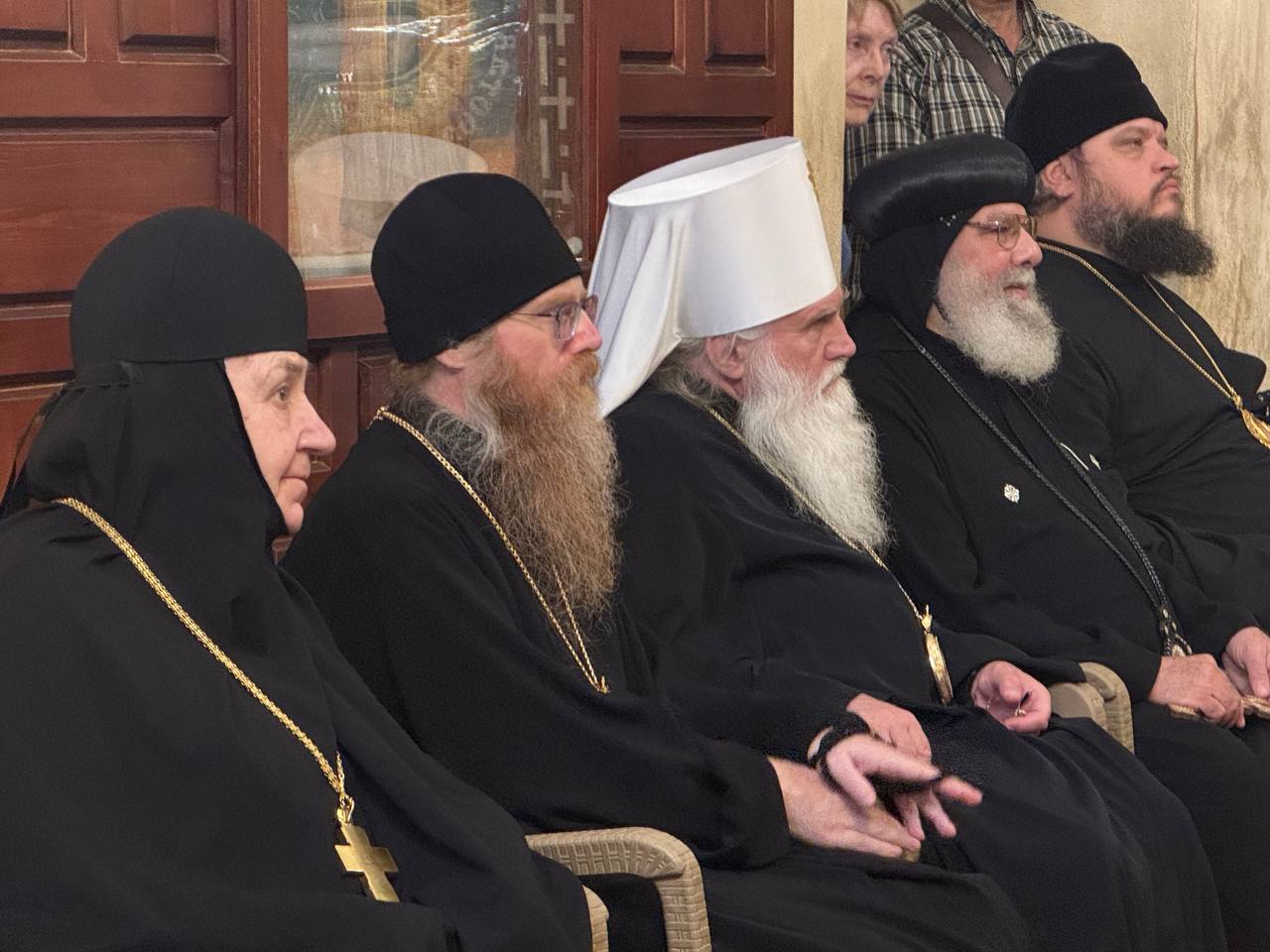
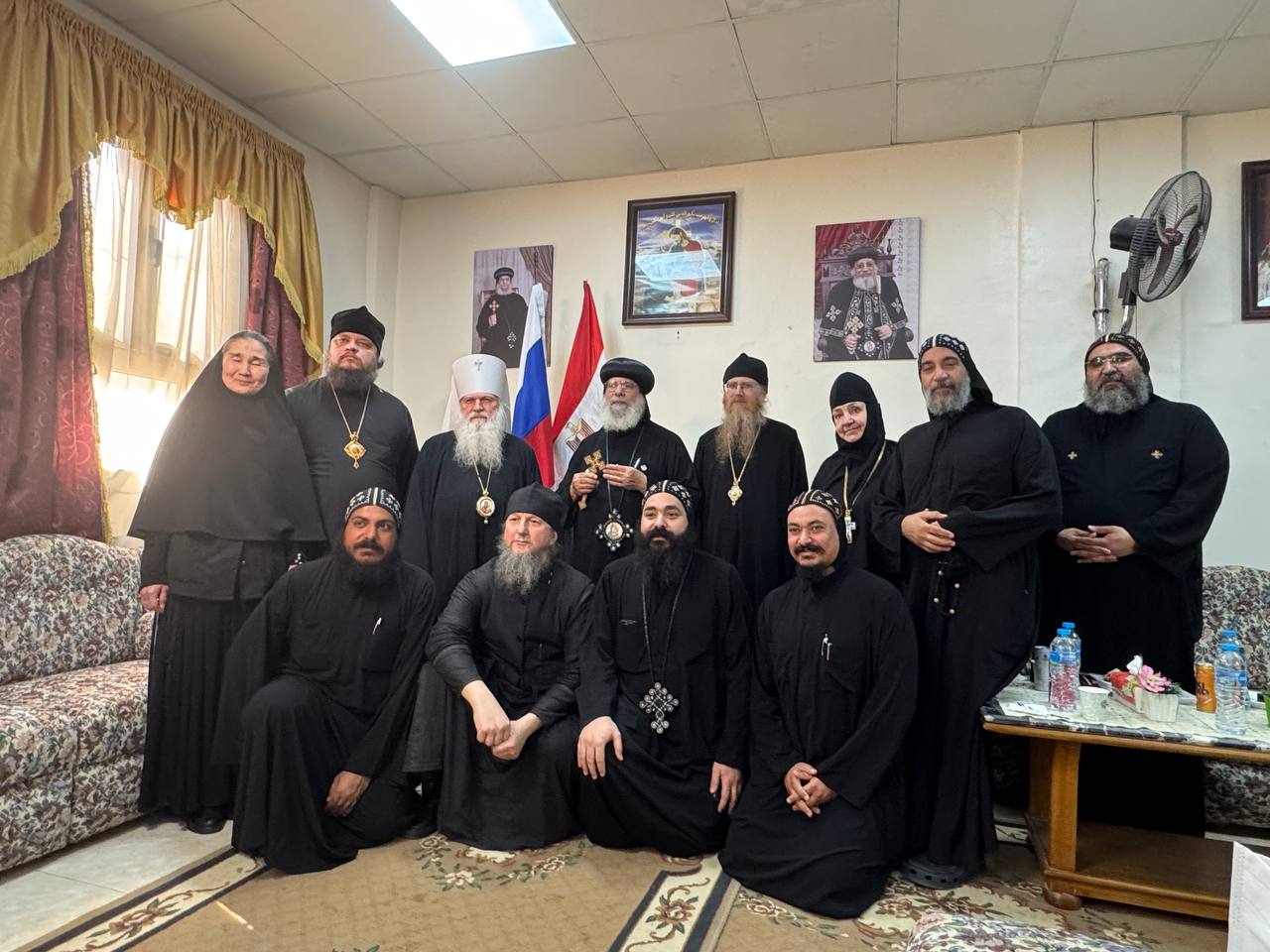
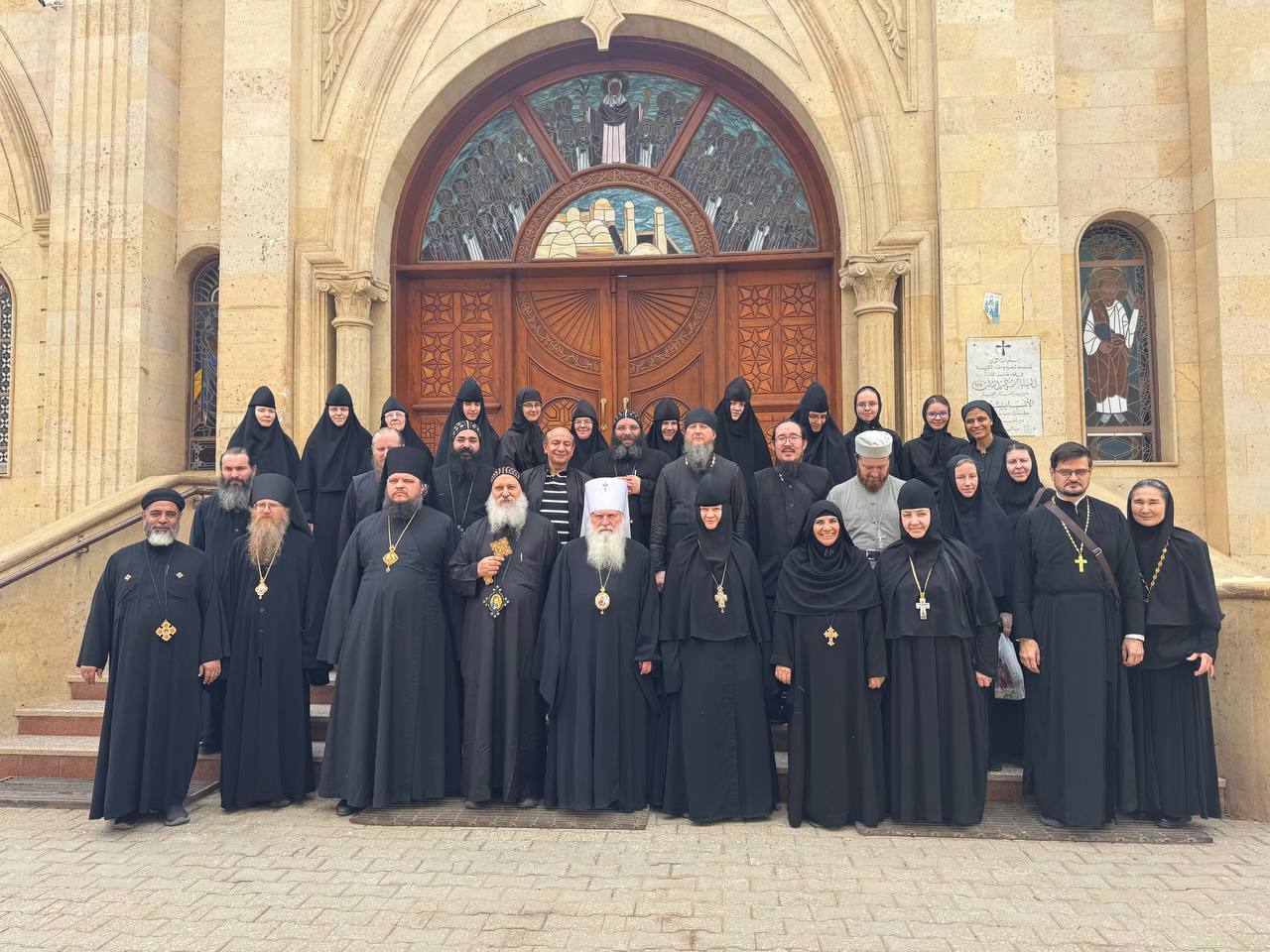
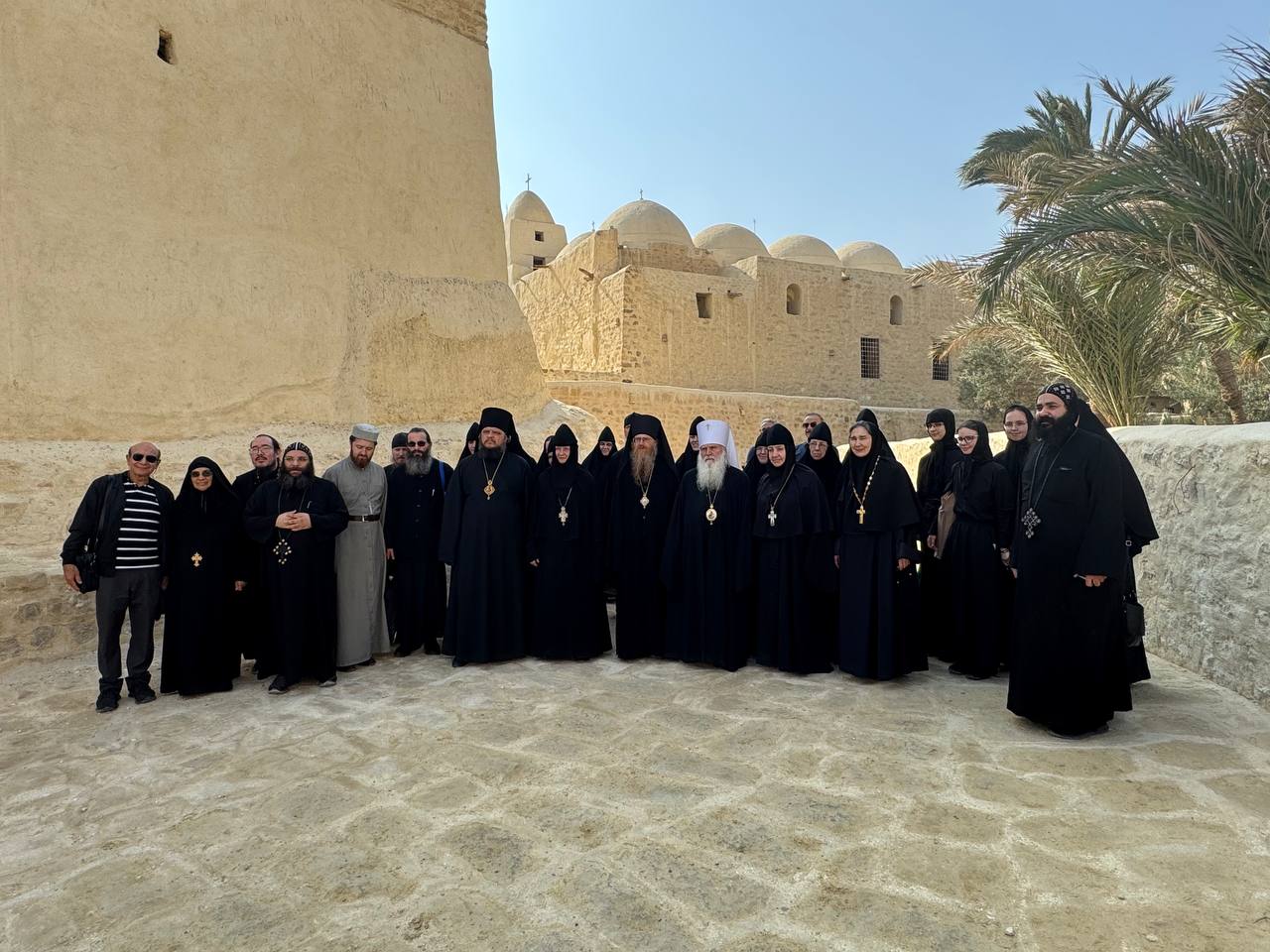
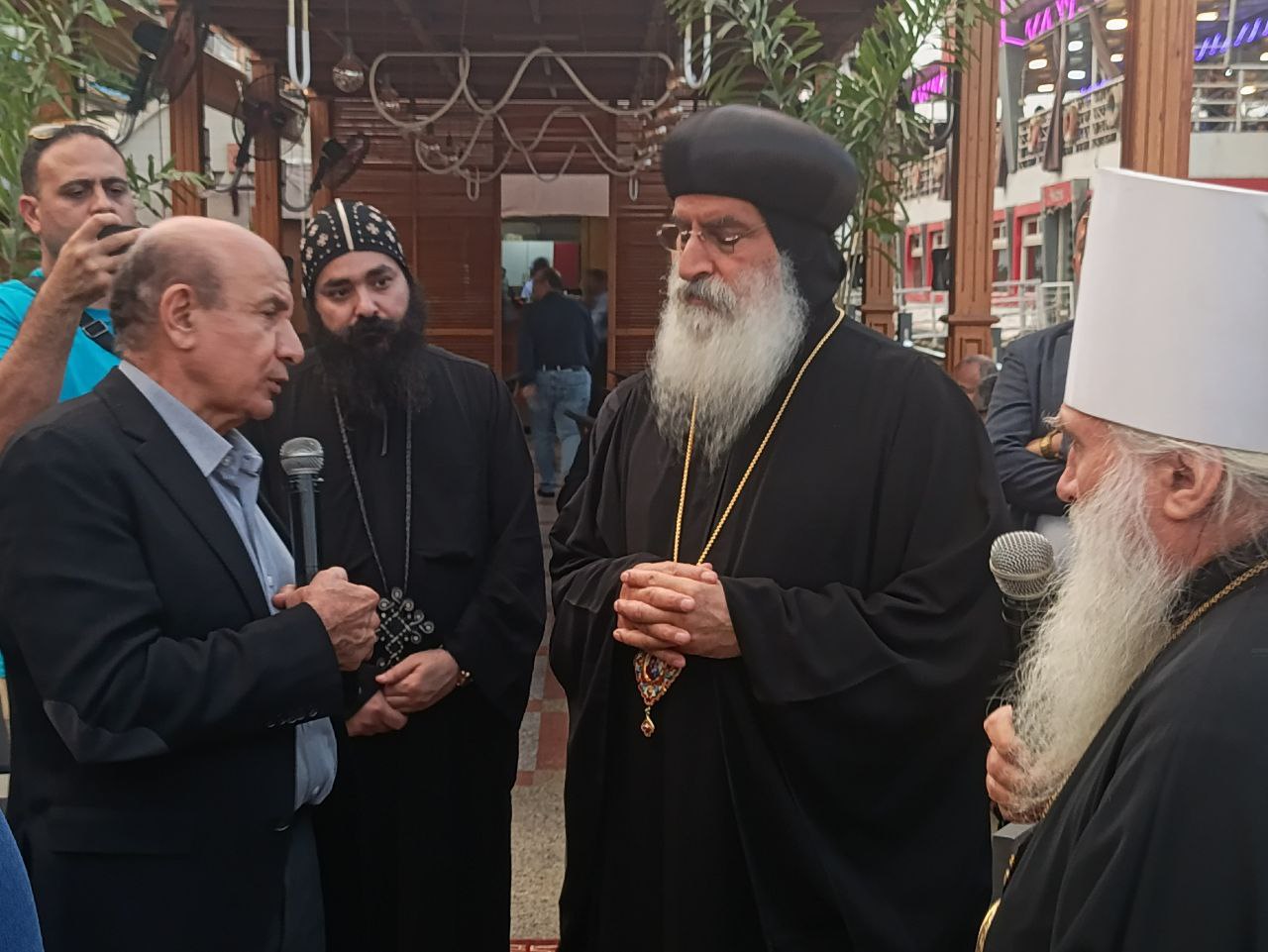
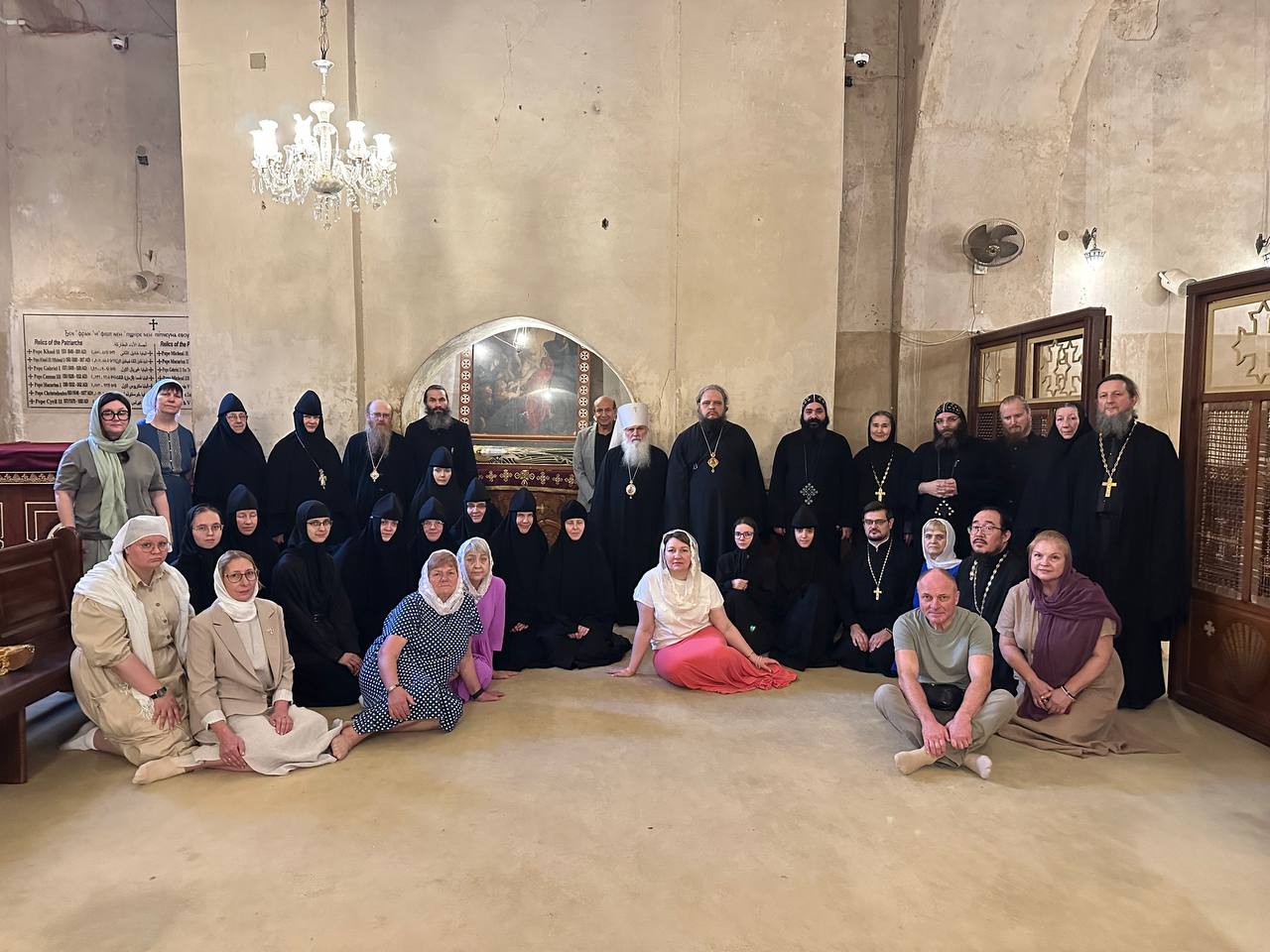
Fr om November 8 to 15, a delegation of monastics fr om the Moscow Patriarchate, led by Metropolitan Vikenty of Tashkent and Central Asia, visited Egypt with the blessing of His Holiness Patriarch Kirill of Moscow and All Rus’ and at the invitation of His Holiness Pope Tawadros II of the Coptic Church.
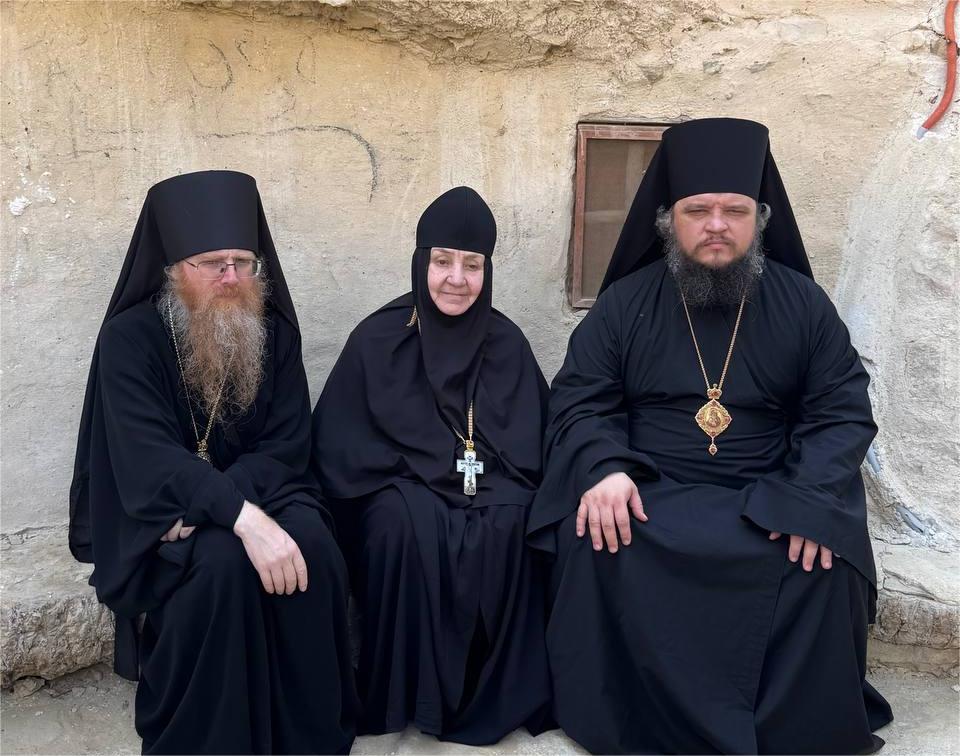
The delegation included Bishop Sergy of Borisoglebsk and Buturlinovka; Bishop Iosif of Mozhaisk, abbot of the Optina Pustyn Stavropegic Monastery; hegumeness Iuliania (Kaleda), abbess of the Conception Convent in Moscow and deputy chair of the Synodal Department for Monasteries and Monasticism; hieromonk Stefan (Igumnov), DECR secretary for inter‑Christian relations; hieromonk Aristokly (Nikitin), manager of the Patriarchal residence in Chisty lane in Moscow; hieromonk Isaak (Istelyuev), a cleric of the Kazakhstan Metropolitan District; hieromonk Kirill (Zhilinsky) of the Optina Pustyn; hegumeness Yekaterina (Malgina), abbess of the Holy Trinity and St. Nicholas Convent in Tashkent; hegumeness Yevgeniya (Vorimbetova), abbess of the Intercession Convent in Dustobad, Diocese of Tashkent and Uzbekistan; archdeacon Nikanor (Buldakov) of the Optina Pustyn; sisters Maria (Parsyeva) and Sergiya (Gorbunova), employees of the Moscow Patriarchate; nun Anastasia (Smolina), employee of the Tashkent Diocesan Administration; and sisters of the Conception Convent in Moscow.
On November 8–9, the pilgrims visited the birthplace of Christian monasticism — the ancient monasteries in the Nitrian Desert, located between Cairo and Alexandria, west of the Nile Delta.
The first stop was the Monastery of St. Macarius the Great. Founded in 360, it is the site of the earthly ascetic labours and the blessed repose of one of the founders of monasticism.
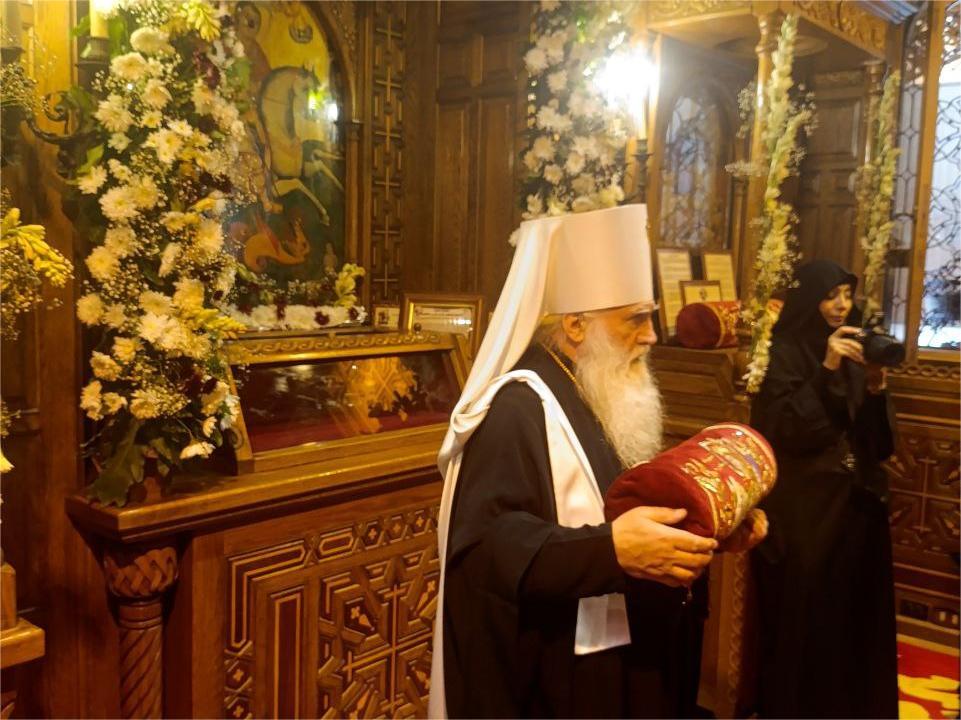
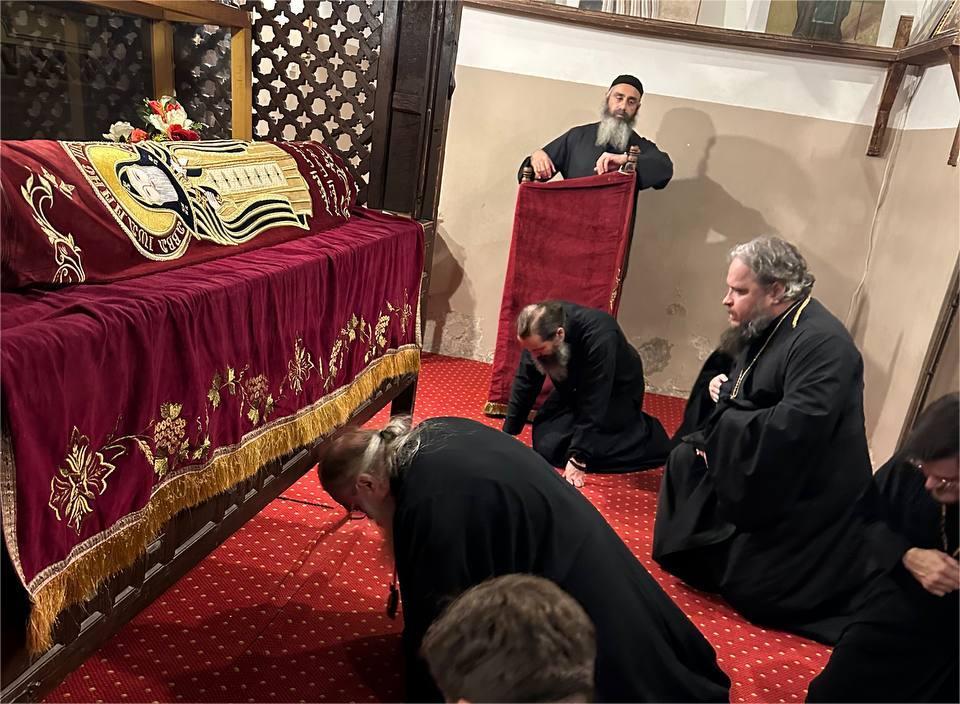
Metropolitan Vikenty and the members of the delegation venerated the incorrupt relics of St. Macarius, St. John Kolov, and other saints who lived there, as well as particles of the relics of St. John the Baptist and Prophet Elisha. Also, the delegation members met and talked with the brethren.
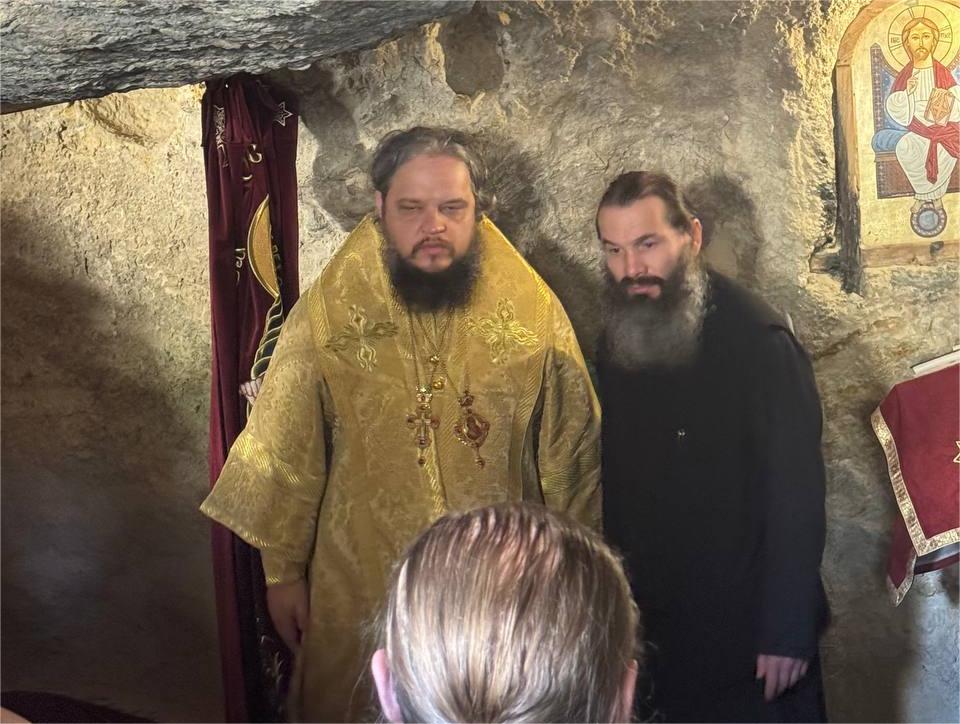
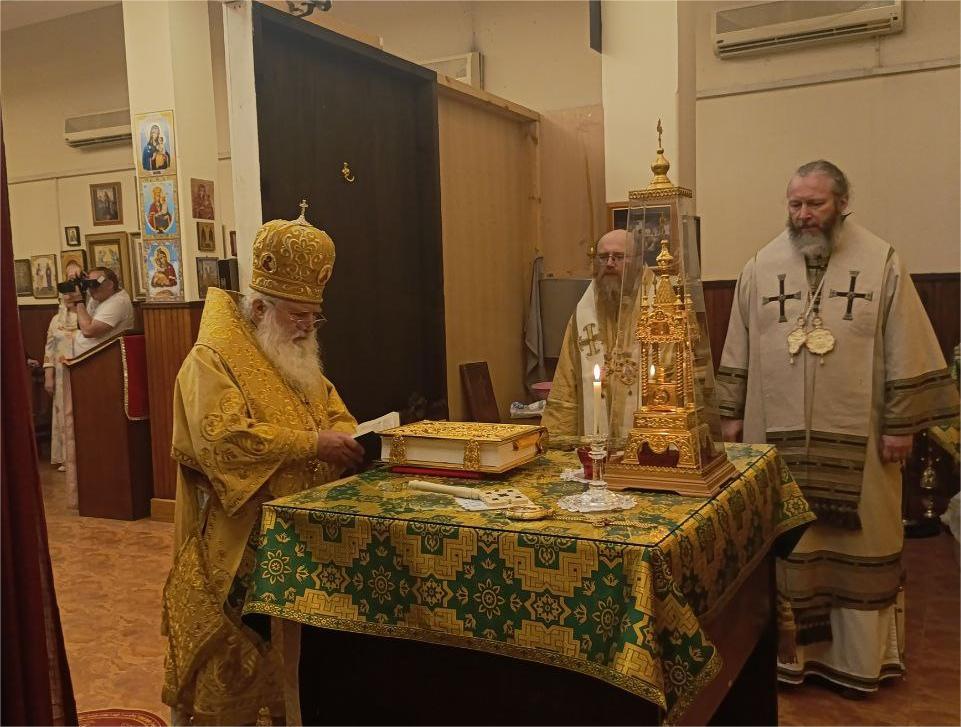
On November 9, the 22nd Sunday after Pentecost, Metropolitan Vikenty celebrated the Divine Liturgy in one of the ancient churches of the monastery. Bishops Sergy and Iosif assisted.
At the Monastery of St. Paisius the Great founded by the saint around 357, the guests fr om Russia venerated his relics, visited the tomb of His Holiness Pope Shenouda III (1971–2012) and met with the abbot, Bishop Aghabios, and the brethren.
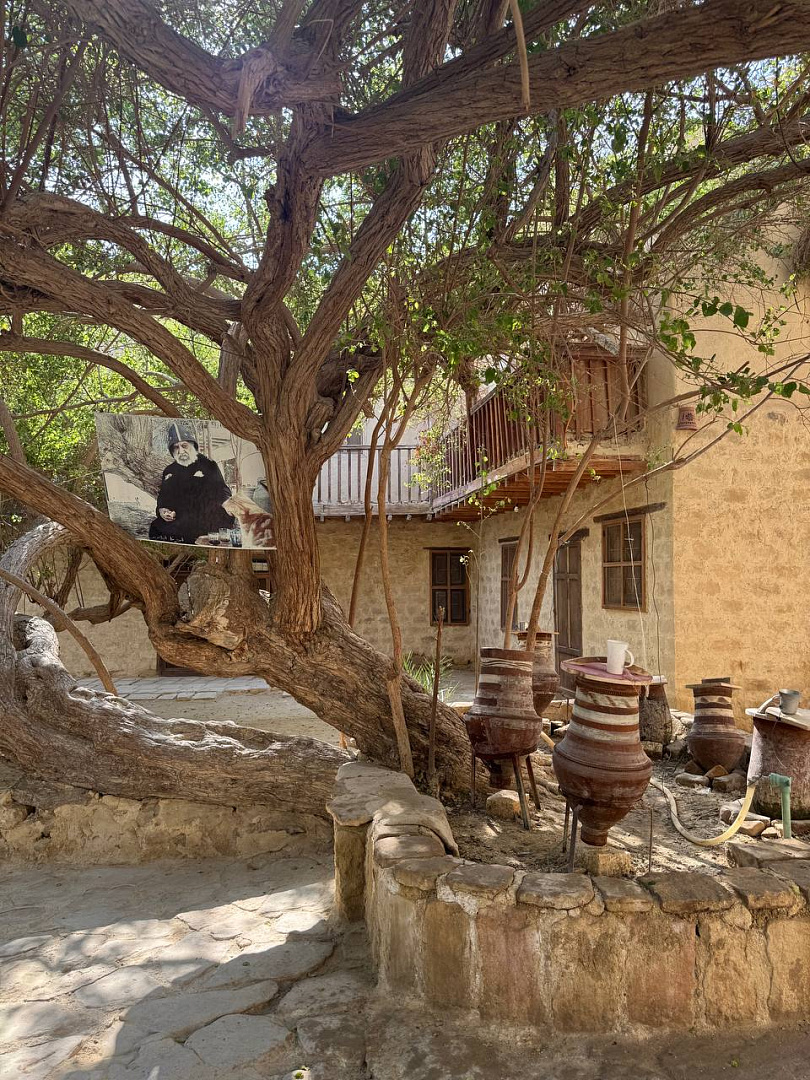
Further, the pilgrims’ path led to the Syrian Monastery founded in the late 4th century by the disciples of St. Paisius the Great at the site of his cell. The monastery is named in memory of the Syrian monks who used to live there for several centuries keeping the tradition of solitary life. The abode is linked with St. Ephraim the Syrian, who, according to tradition, came here to meet St. Paisius. The members of the delegation visited St. Paisius’ cell, saw the tree that grew fr om St. Ephraim’s staff, and frescoes dating back to the 8th-17th centuries.
Also, they visited the Monastery of the Romans founded around 335 by St. Macarius the Great and considered to be the first monastery in the Christian world. The name may refer to Ss Maximus and Domitius, sons of the Roman Emperor Walendianus, who lived here in the late 4th century being guided in their deeds by St. Macarius.
The pilgrims visited the monastery churches and the 4th‑century refectory, wh ere the first monks shared meals after the liturgy before retiring to their desert cells. The members of the delegation venerated the relics of St. Paphnutius the Great, St. Isidore, St. Moses the Black also known as Murin, and other desert fathers, and sang magnification to St. Arsenius the Great.
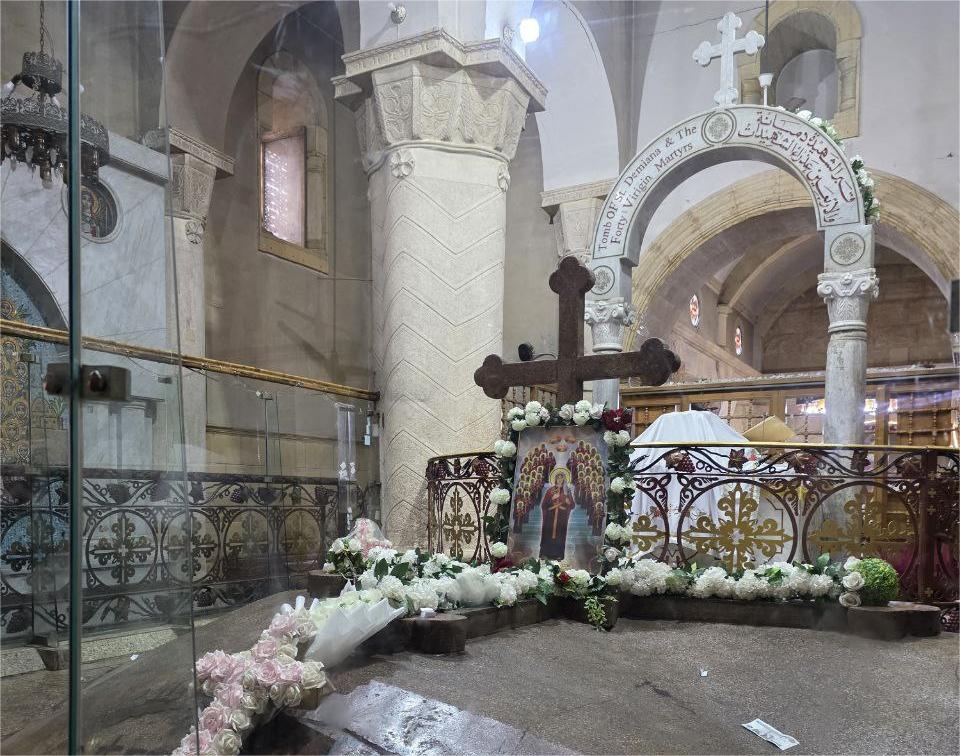
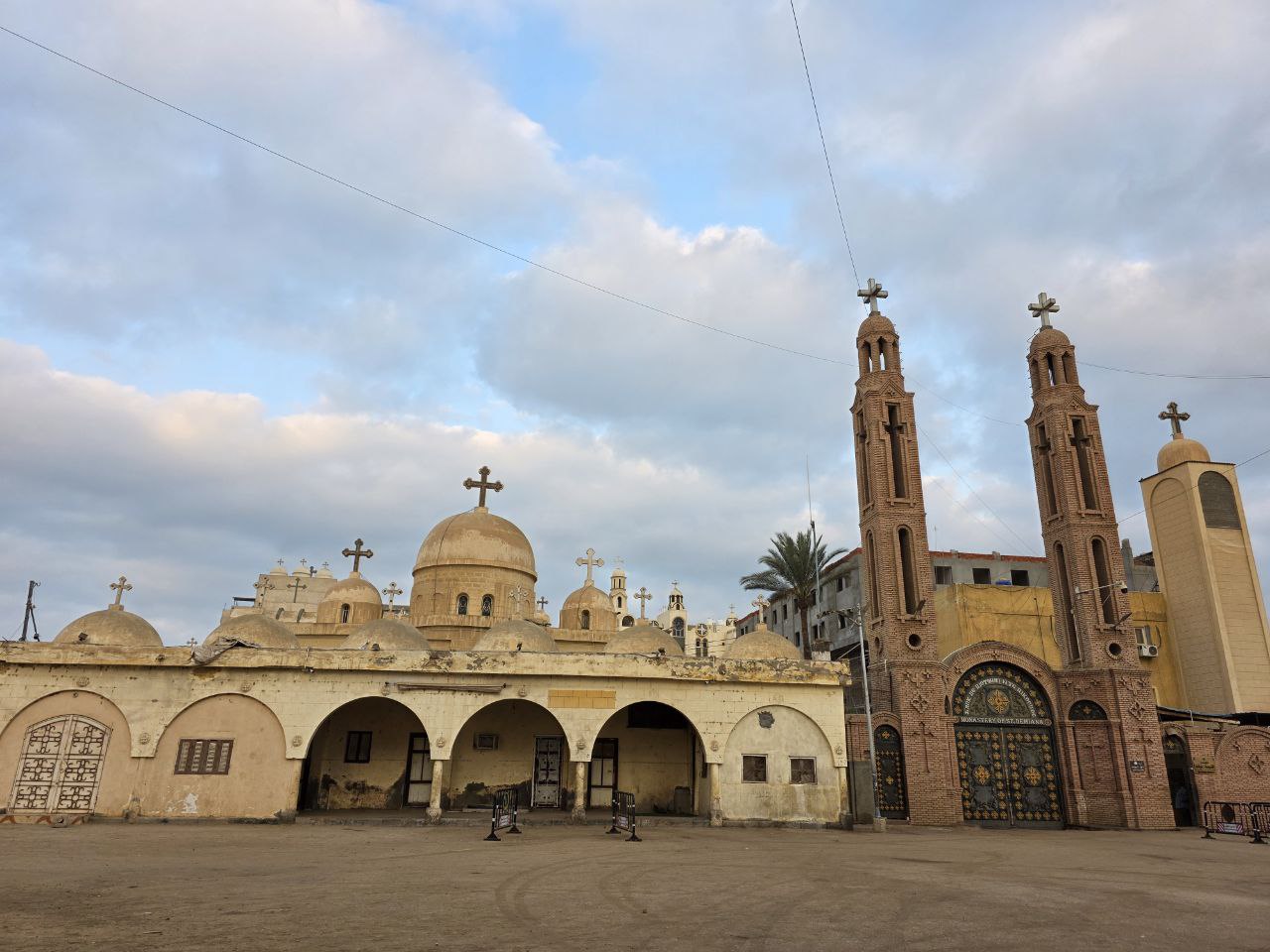
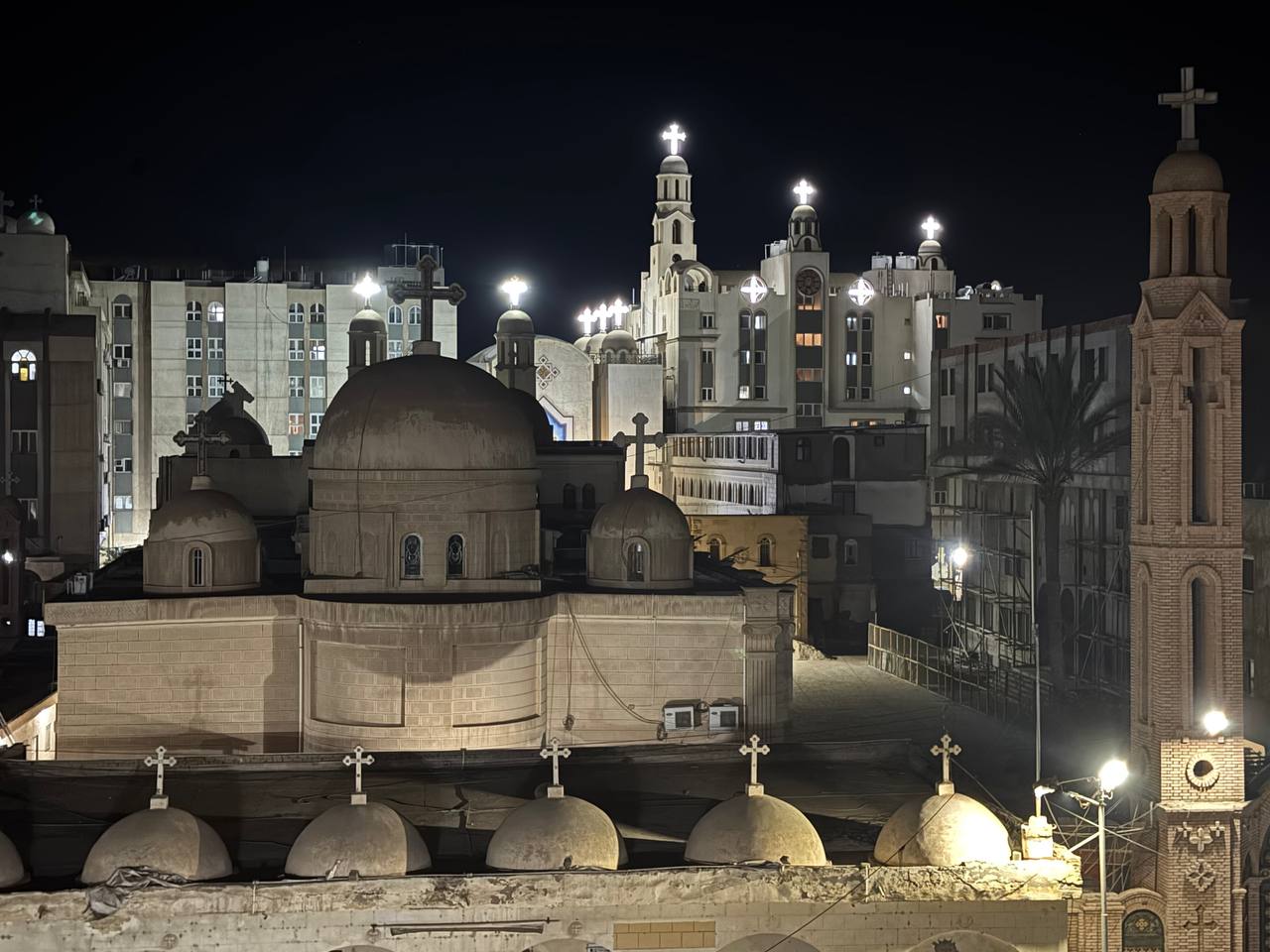
On November 10, the delegation visited the Convent of St. Demiana of Egypt, located in the Nile Delta.
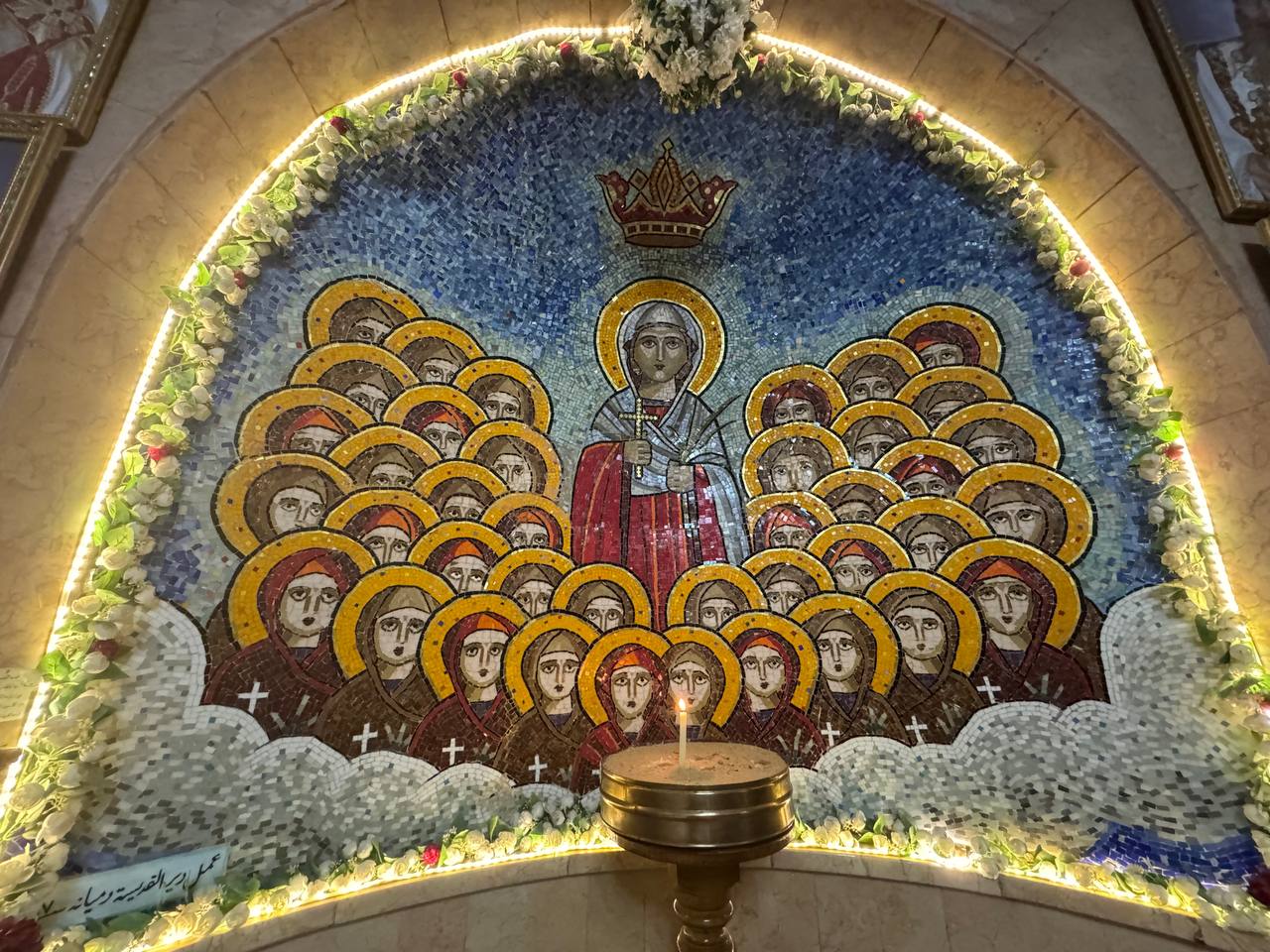
St. Demiana was born into a noble family in the late 3rd century. Her father, Mark, governor of a Roman province in northern Egypt, raised her in the Christian faith. When she came of age, she refused to get married and asked her father to build her a house in the outskirts of the city so that she and forty virgins could devote their life solely to God. With the blessing of the local bishop, a convent was established with Demiana becoming its abbess. The abode was likely to be the oldest Christian convent.
In the early 4th century, Emperor Diocletian began persecutions, during which Mark, Demiana’s father, renounced Christ and made a sacrifice to idols. For this, he was shamed by his daughter who said that he had better die as a martyr for Christ than live on earth as a servant of Satan. Mark repented, went to the emperor and openly confessed that he was a Christian, for which he was beheaded. Diocletian found out that Mark’s martyrdom was inspired by his daughter and sent a hundred soldiers to her convent. Despite threats and torture, to which the holy virgin was subjected, she did not renounce Christ, and every time an angel of the Lord would come to heal her wounds. Many soldiers, inspired by her martyrdom and preaching, converted to Christ. Finally, Demiana and the forty virgins were beheaded. Around 324-326, St. Helen, Equal‑to‑the‑Apostles, came to the site, found the incorrupt bodies of the martyrs, built a tomb over them, and laid the foundation stone of a church.
By the decision of the Holy Synod of 30 October 2025, St. Demiana of Egypt and the forty virgins martyred with her were included in the Synaxarion of the Russian Orthodox Church to be commemorated on January 8/21.
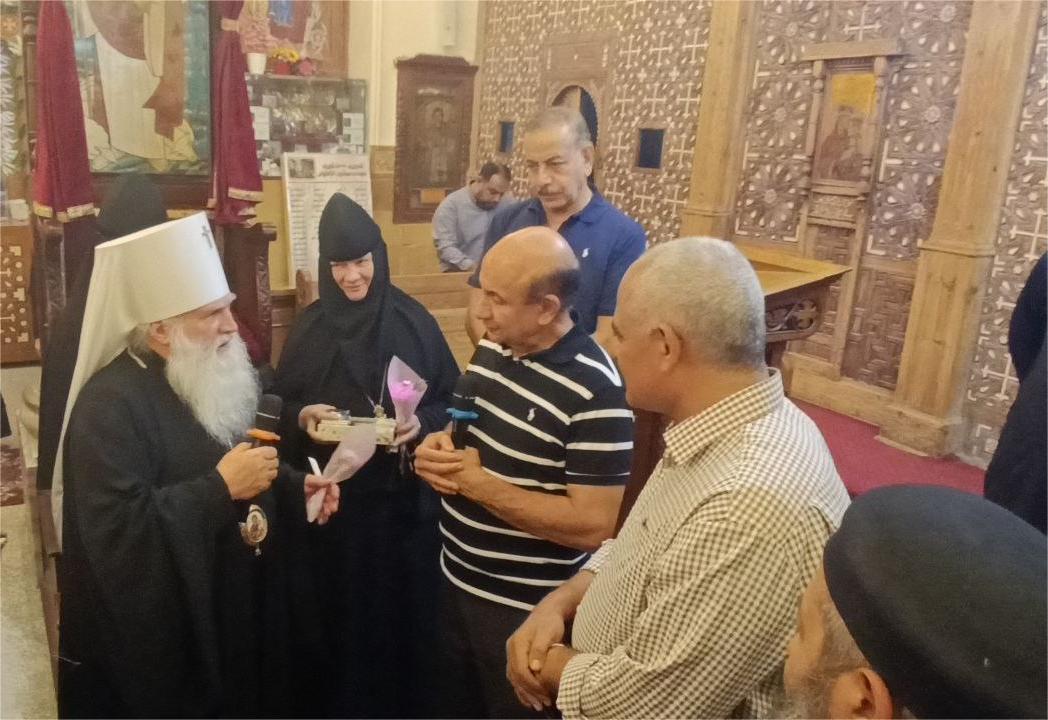
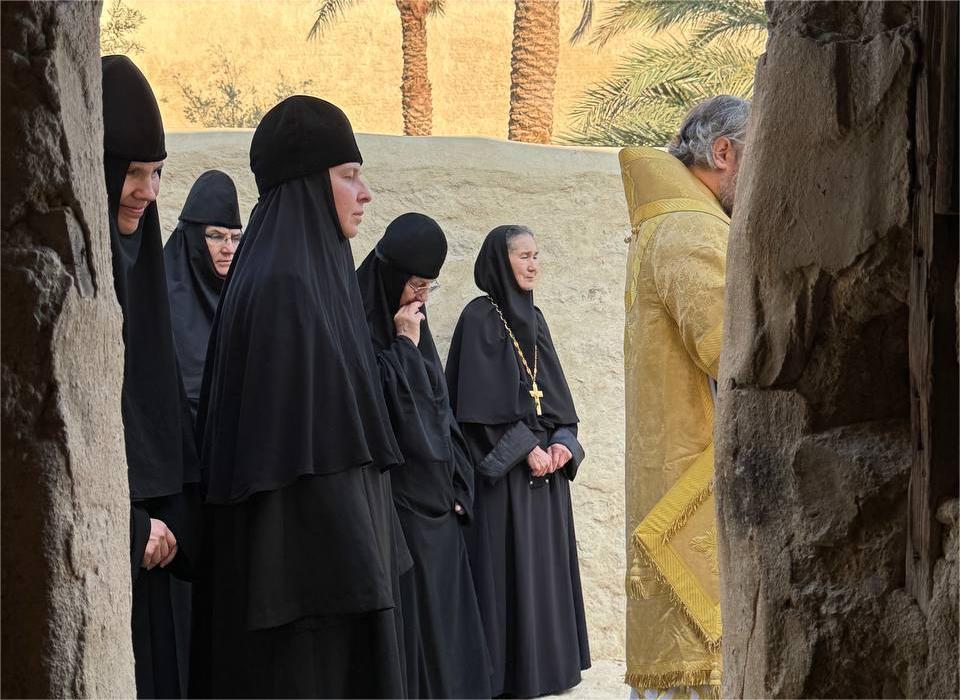
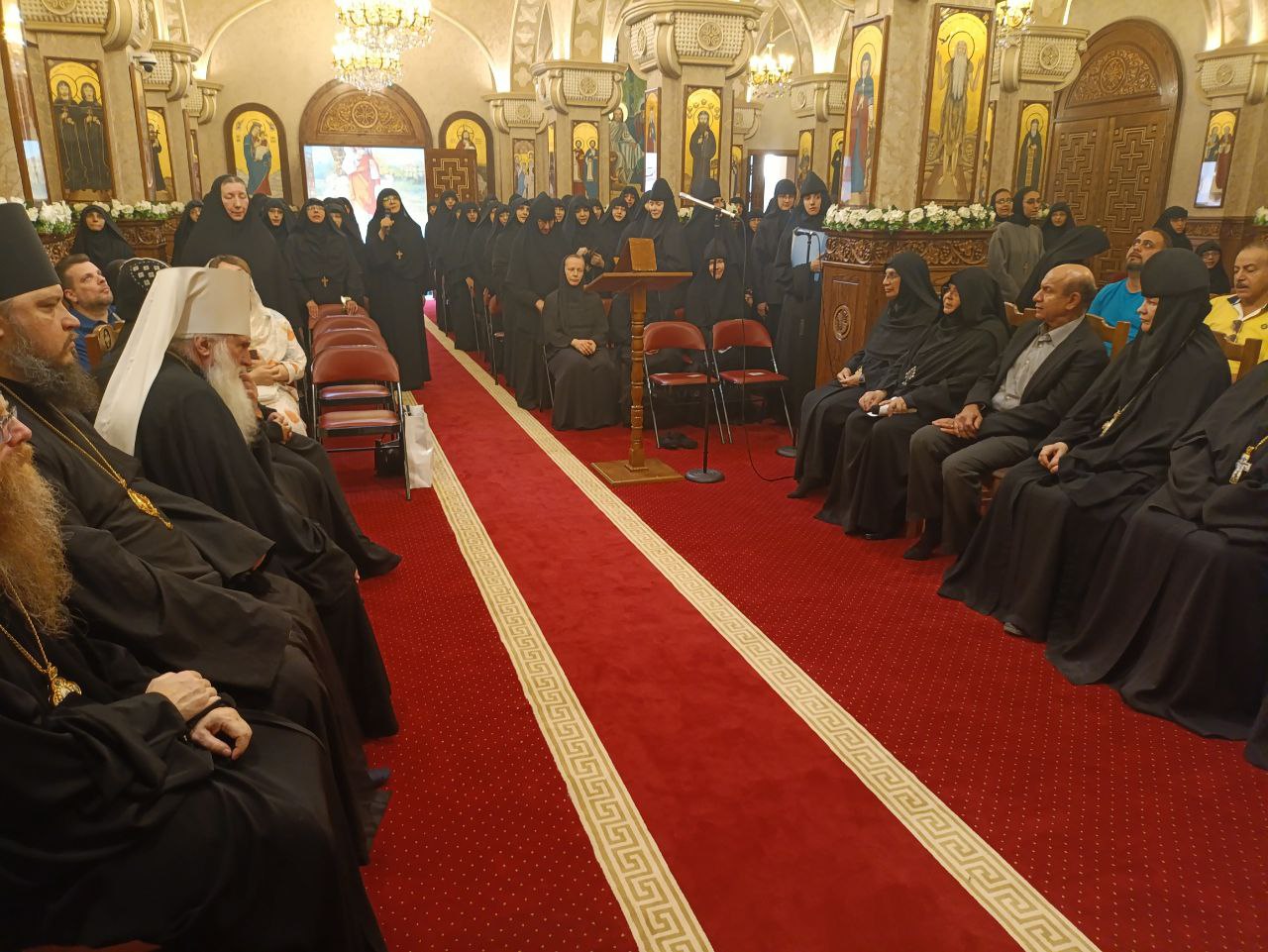
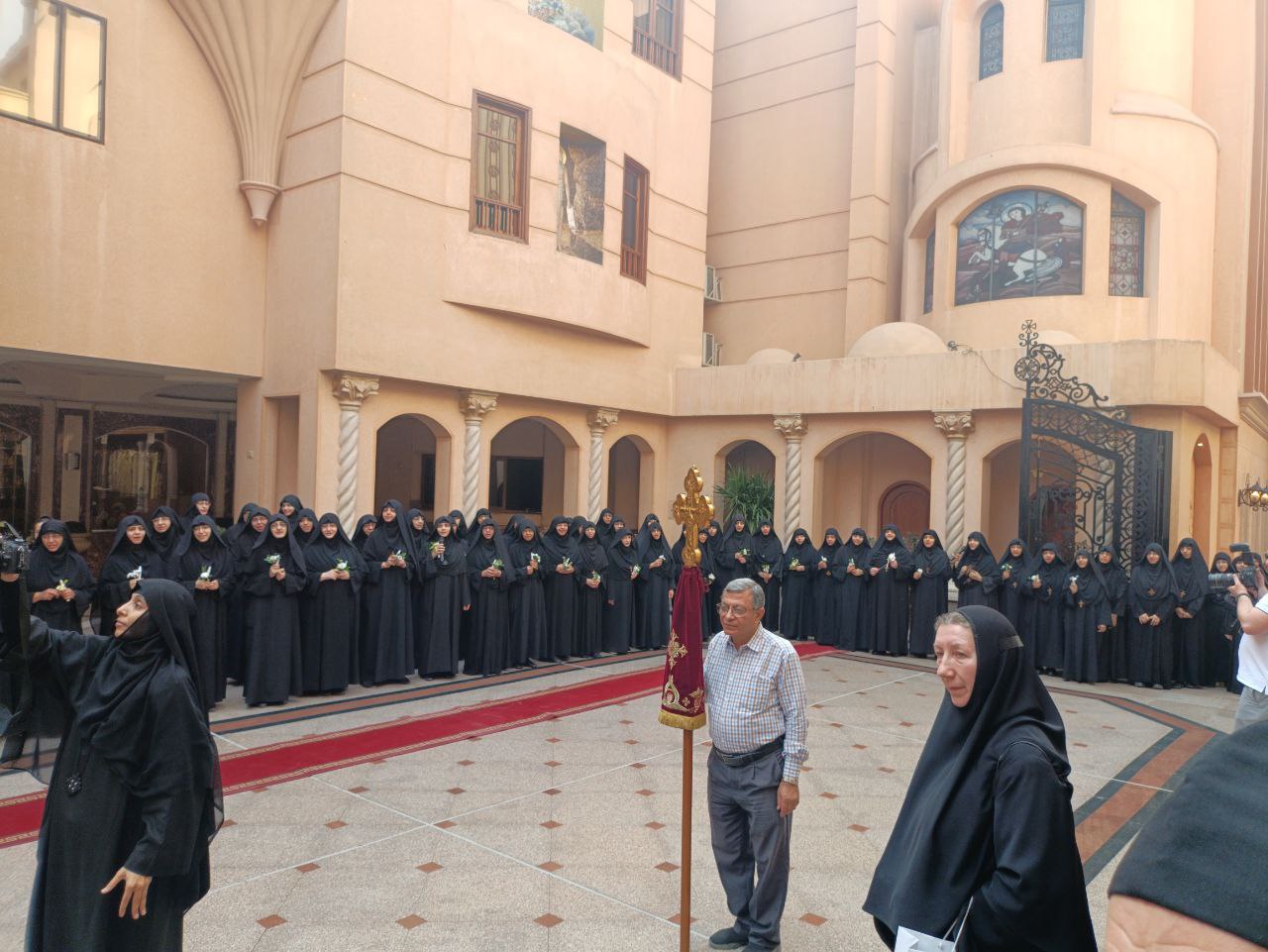
Metropolitan Vikenty and the members of the delegation venerated the reliquary with the relics of the holy martyrs and sang a magnification to them. Also, they toured the monastery’s subsidiary farm and workshops and spoke with the sisters and Bishop Mark of Damietta, the ruling bishop of the diocese in which the convent is located. Two sisters, Julitta Fouad and Theopistia Sayed, were members of the Coptic monastic delegation that visited Russia in September 2025.
The pilgrims visited the Church of the Most Holy Virgin and St. Abanoub the child martyr of Nehisa in Samannoud, wh ere his holy relics rest.
St. Abanoub was born into a devout Christian family in the town called Nehisa, modern Kafr al‑Abhar, Dakahlia Governorate, around 299. Fr om a very early age he showed piety and love of prayer. His parents died when he was twelve years old.
One Sunday, he entered the church to hear the priest asking the congregation to remain faithful to Christ during the persecutions. That day, Abanoub received the Holy Sacraments and decided to confess before the pagan authorities that he was a Christian. He gave all possessions inherited fr om his parents to the needy and went to Samannoud. On the way, he had a vision of Archangel Michael who told him that he would glorify God in that city.
Once in Samannoud, he confessed his faith in Christ before Lucianus the governor and was arrested immediately. Lucianus subjected him to numerous severe tortures, which the youth endured with courage. The heavenly powers comforted and healed him. Roman soldiers saw the angels, and some converted to Christ and were executed. Abanoub’s torment lasted a long time, first in Samannoud, then in Athribis, modern Tell Atrib northeast of the city of Benha, Al‑Qalyubia Governorate, and finally in Alexandria, wh ere he was tortured to death. The body of the martyr was thrown out for public humiliation, but local Christians took it at once, brought to the boy’s hometown Nehisa and laid to rest.
In the following centuries, numerous miracles took place at the tomb of St. Abanoub. In 960, his incorrupt relics were discovered, transferred to Samannoud, and placed in the local cathedral of the Most Holy Theotokos. Later, a chapel dedicated to the martyr was constructed there. In Egypt, many churches have been built and consecrated in honour of this saint, whose name is one of the most common among Egyptian Christians. He is venerated as the patron saint of children and youth.
In the Coptic Church, the memory of St. Abanoub of Nehisa the child martyr is commemorated on July 18/31.
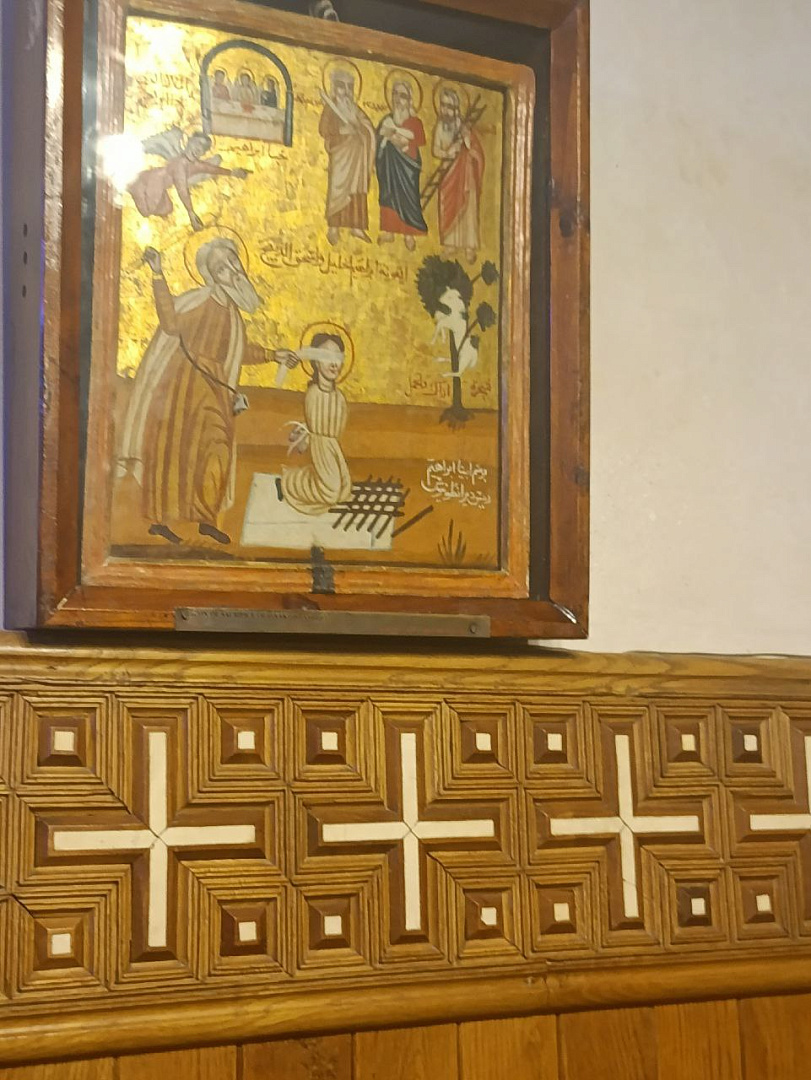
On the same day, the delegation visited the city of Sakha in Kafr El-Sheikh Governorate located in the Nile Delta. Here, the Holy Family made one of the first stops on the journey in Egypt. There were over twenty stops, at which, according to tradition, the Holy Family was warmly received by the local inhabitants, but in Sakha they found no such welcome and no one even offered water to them. But a miracle happened. The Most Holy Virgin, exhausted fr om travelling, placed her Son on a stone, and a spring of water gushed fr om it. Christ’s footprint imprinted on the stone that has been reverently kept by Egyptian Christians and can be found now in the Coptic church of the Virgin Mary which was built on the site. Metropolitan Vikenty and the members of the delegation venerated this great shrine.
Next, the members of the delegation proceeded to the Eastern Desert that lies near the Red Sea.
On November 11, they visited the monastery of St. Paul of Thebes and venerated the tomb of the ascetic.
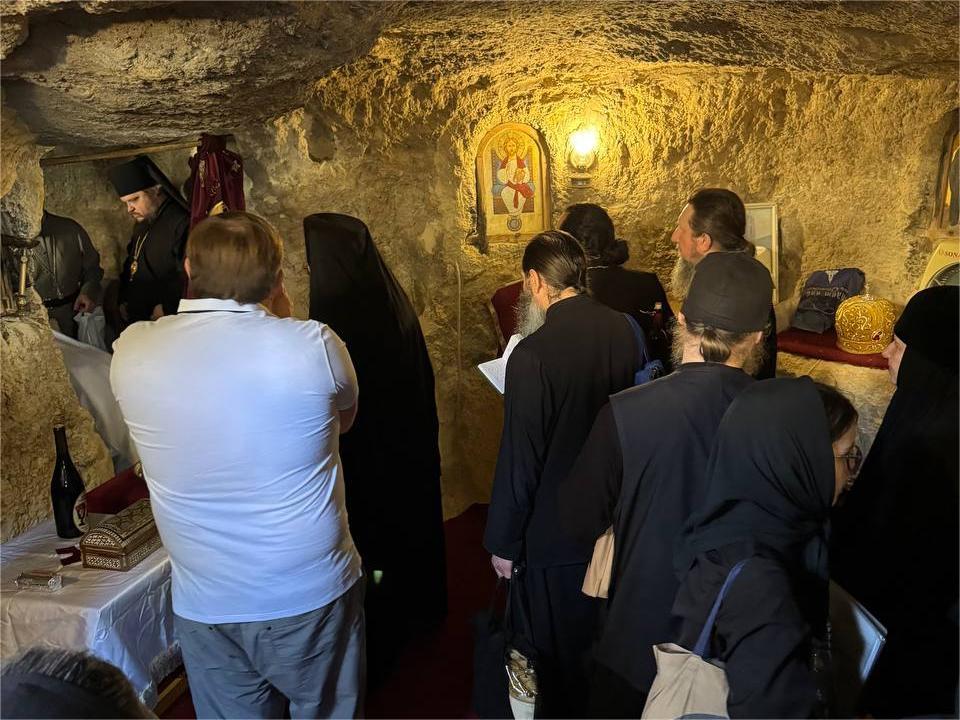
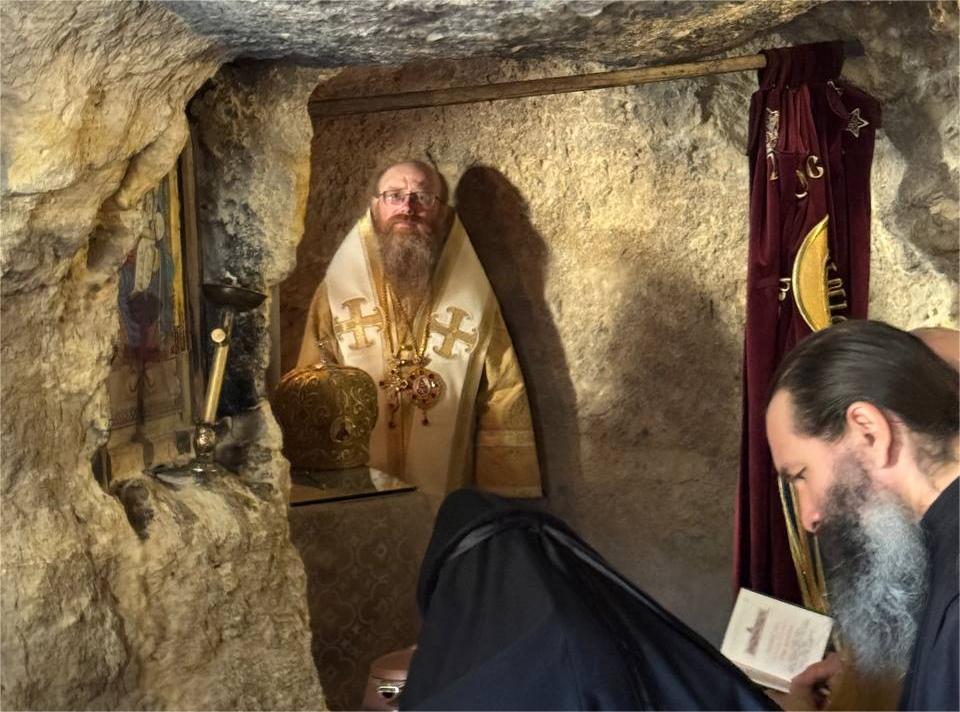
Metropolitan Vikenty of Tashkent and Central Asia celebrated the Divine Liturgy in the 5th‑century cave church, wh ere one of the holy inmates of the monastery had once lived. Bishops Sergy and Iosif concelebrated.
The pilgrims learned about the history of the abode, venerated its shrines, and visited the spring of St. Paul.
The guests fr om Russia were warmly welcomed by Bishop Daniel, the abbot of the monastery and chairman of the Patriarchal Commission for Monasteries and Monasticism of the Coptic Church. On behalf of the delegation, Metropolitan Vikenty expressed his gratitude to Bishop Daniel for hospitality and the opportunity to celebrate the Liturgy in one of the oldest monasteries of the Christian world.
On November 12, the representatives of the Moscow Patriarchate visited another ancient monastery in the Eastern Desert, that of St. Anthony the Great. This monastery, built in the early 4th century near the mountain wh ere the founder of monasticism had lived in a cave cell, has been one of the most important sites of Christian pilgrimage for over fifteen hundred years.
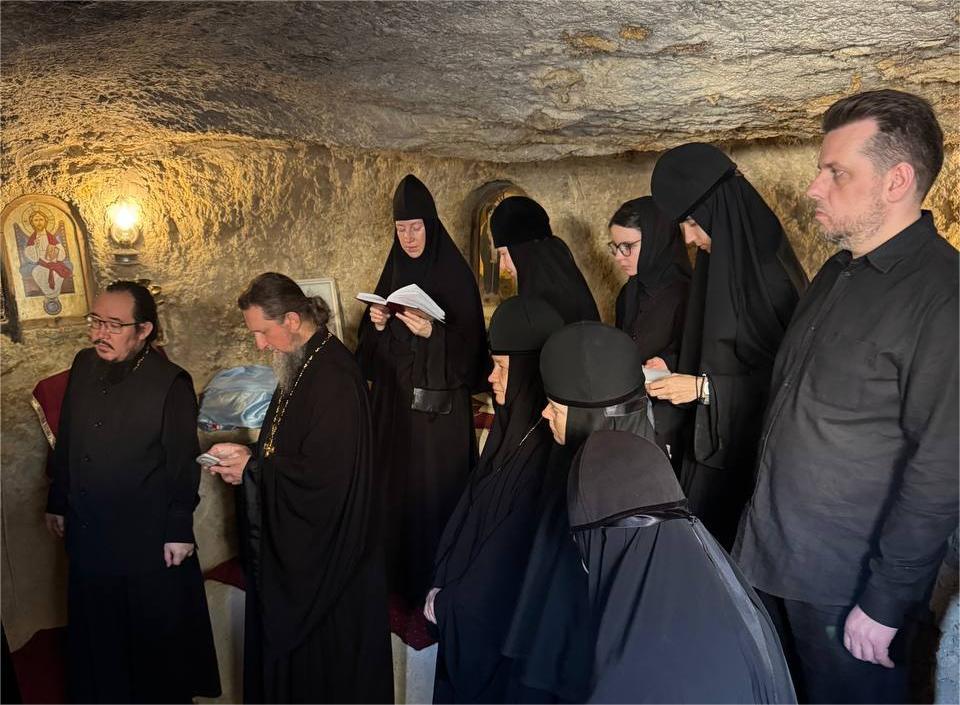
The members of the delegation climbed the mountain and visited the cave of St. Anthony the Great, wh ere they chanted the Akathist Hymn to the saint. At the foot of the mountain, they took view of the new church of the Holy Cross and the Resurrection of Christ. Then the pilgrims were given a tour of the monastery. They visited its ancient churches wh ere they venerated the shrines and the spring, which had once burst forth out of the earth through the prayers of the saint.
The guests fr om Russia had warm talk with Bishop Justus, the abbot of the monastery, and the brethren.
On November 13, the representatives of the Russian Orthodox Church proceeded to Cairo. On the way over, they stopped at the New Administrative Capital of Egypt and visited the Cathedral of the Nativity of Christ, one of the largest in the Christian world. Its opening and consecration took place on 6 January 2019, in the presence of Abdel Fattah el‑Sisi, the President of Egypt.
On the same day, the pilgrims visited the Coptic convent of St. Theodore Stratelates in Old Cairo, wh ere they were warmly welcomed by its abbess Edrosis and the sisters.
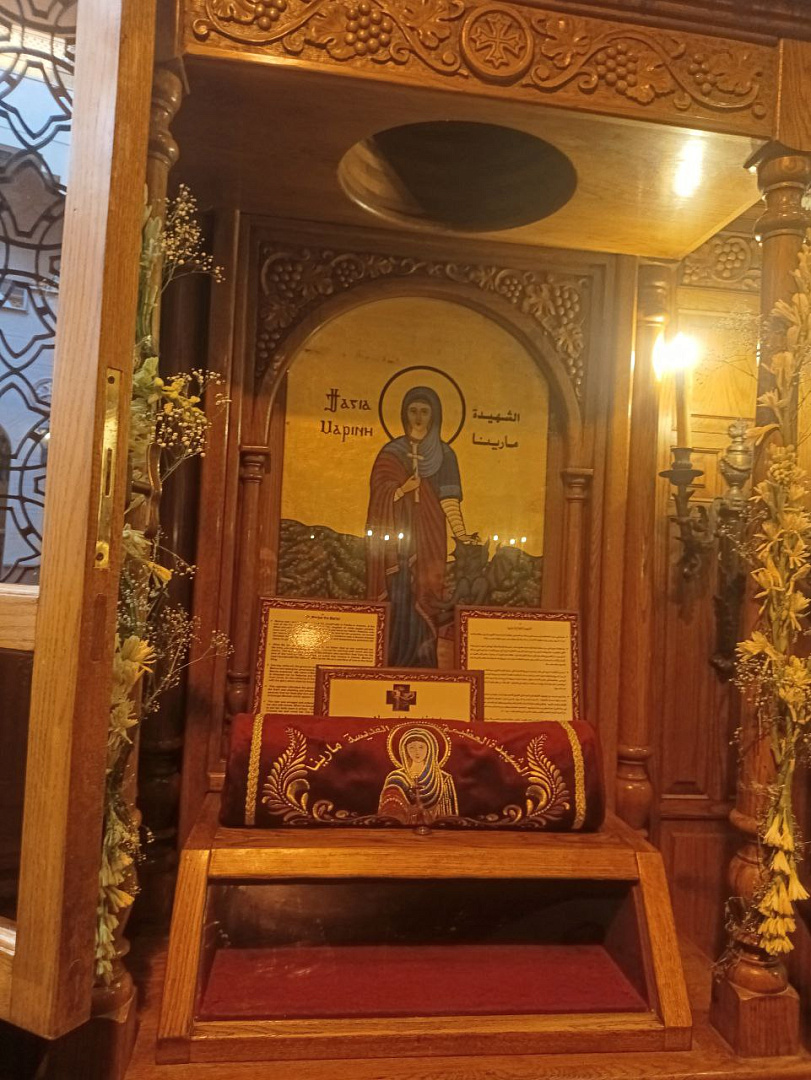
The guests venerated the miraculous myrrh‑streaming icon of St. Theodore Stratelates, the relics of St. Marina and other saints of God, and visited the spring of St. Onuphrius the Great.
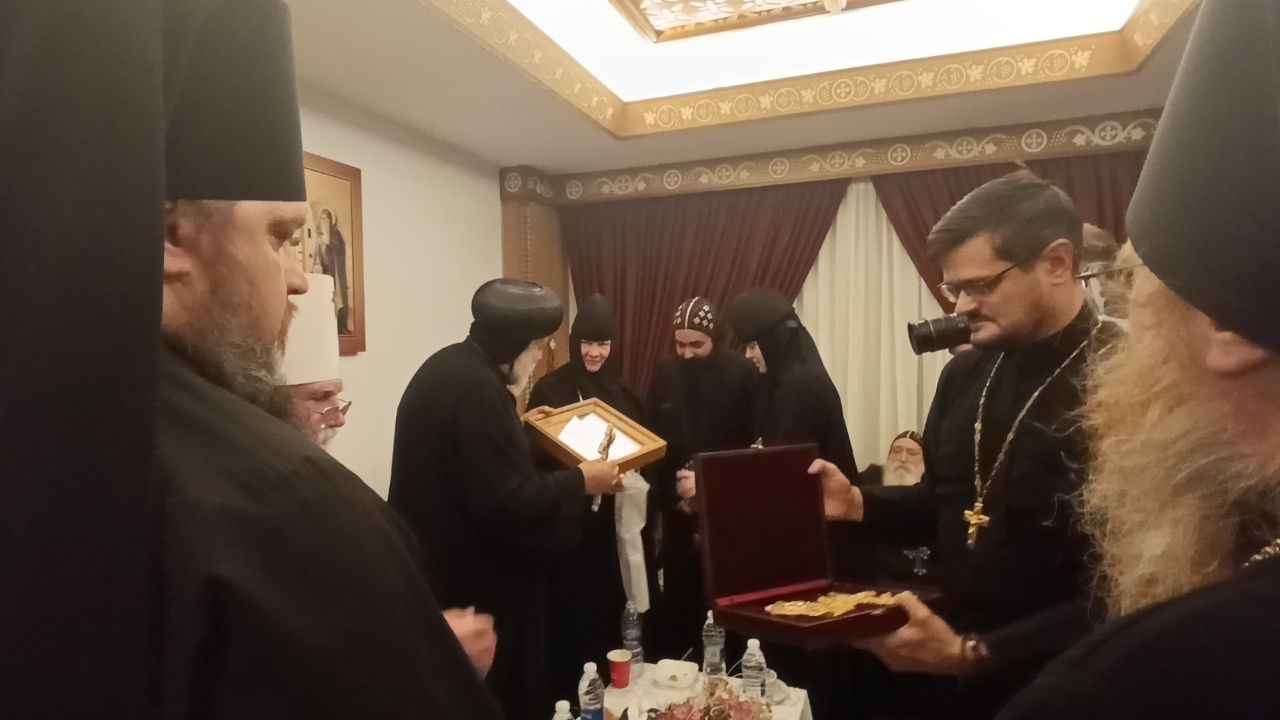
In Cairo, the delegation met with Bishop Theodosius of Giza, who is responsible for pastoral care of the Coptic parishes in Russia. He hosted a reception in honour of the guests.
On November 14, Metropolitan Vikenty of Tashkent and Central Asia presided over the Divine Liturgy at the Church of St. Sergius of Radonezh in Cairo, a parish of the Patriarchal Exarchate of Africa. Assisting the archpastor were Bishop Sergy, Bishop Iosif, Bishop Evfimy of Lukhovitsy, vicar of the Patriarchal Exarchate of Africa, priest Dimitry Gurov, a cleric of the Exarchate’s Egyptian Deanery, and hierodeacon Nikon (Buldakov).
After the divine service, the delegation visited the historic centre of Christianity in Cairo and saw some of the greatest shrines of the Christian world, including the cave, in which, according to tradition, the Holy Family sheltered after their flight to Egypt. In 58, a church was built here, one of the very first in the Christian world; the 4th -century Church of Martyrs Sergius and Bacchus, built above the cave, wh ere their relics are resting; the Church of St. Barbara with her relics and relics of martyrs Juliana and Damiana and other saints; the famous Hanging Church; the Coptic Museum; and the convent of St. Mercurius, wh ere the pilgrims were warmly welcomed by abbess Kyria and the sisters.
On November 15, the representatives of the Russian Orthodox Church departed for Moscow.
During the visit, they were accompanied by hieromonk Daoud El‑Antony, representative of the Coptic Church in Russia; priest Dimitry Gurov, a cleric of the Egyptian Deanery of the Patriarchal Exarchate of Africa; Dr. Anton Milad, advisor to the Coptic Patriarch; and monastics of the Coptic Church.