
An international conference on "Church care for mentally ill people" was held in Moscow
All the reports (PDF, download)
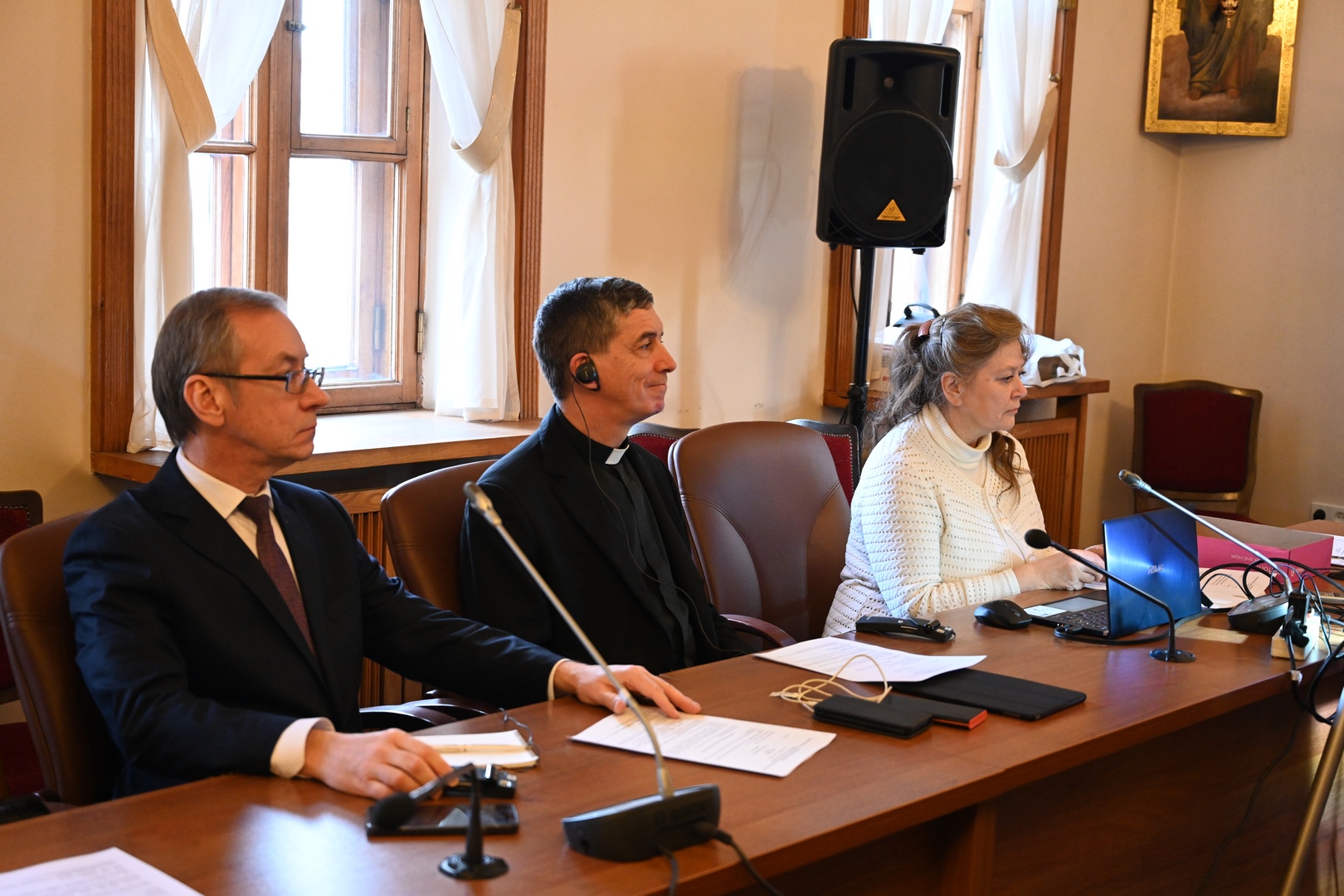
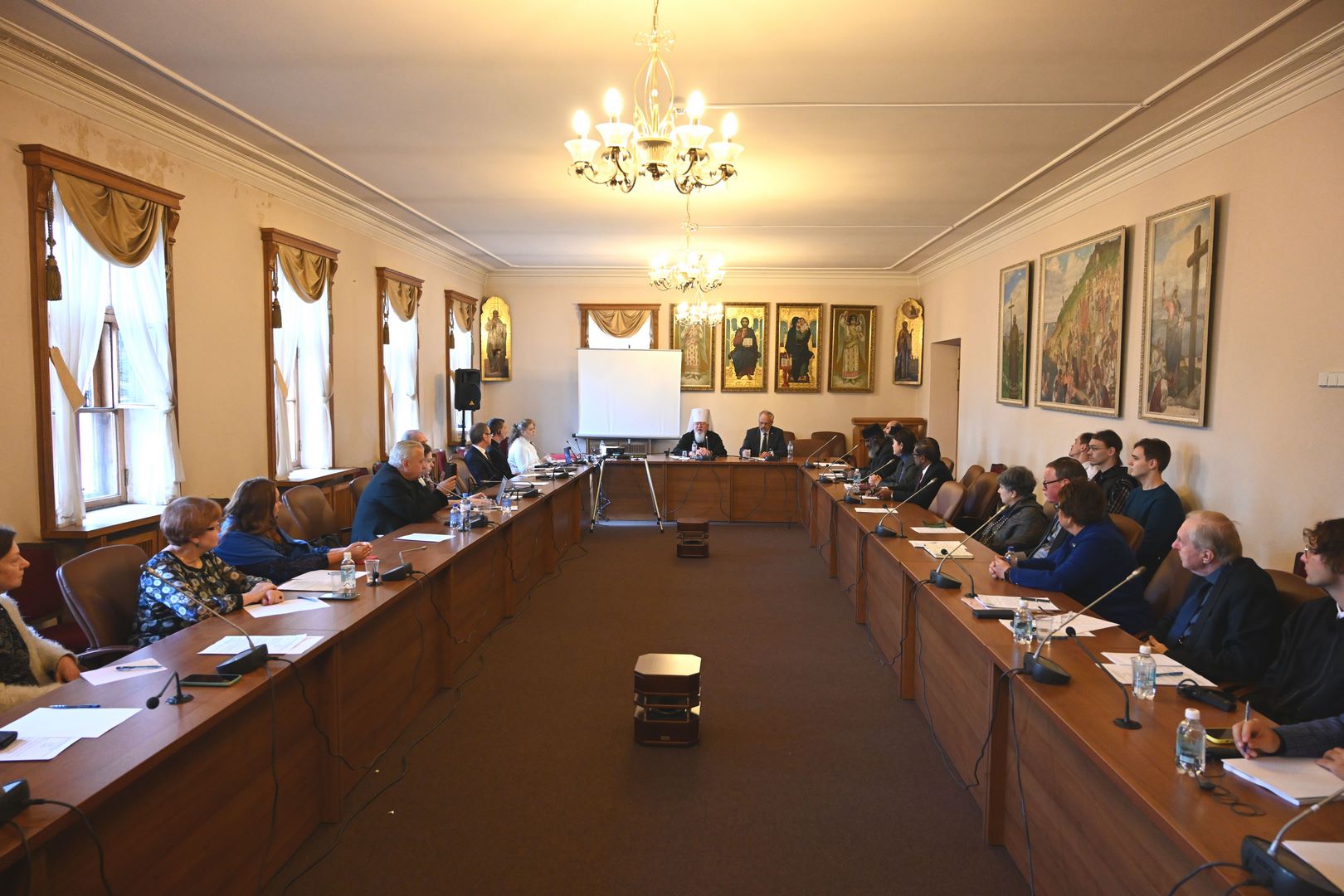
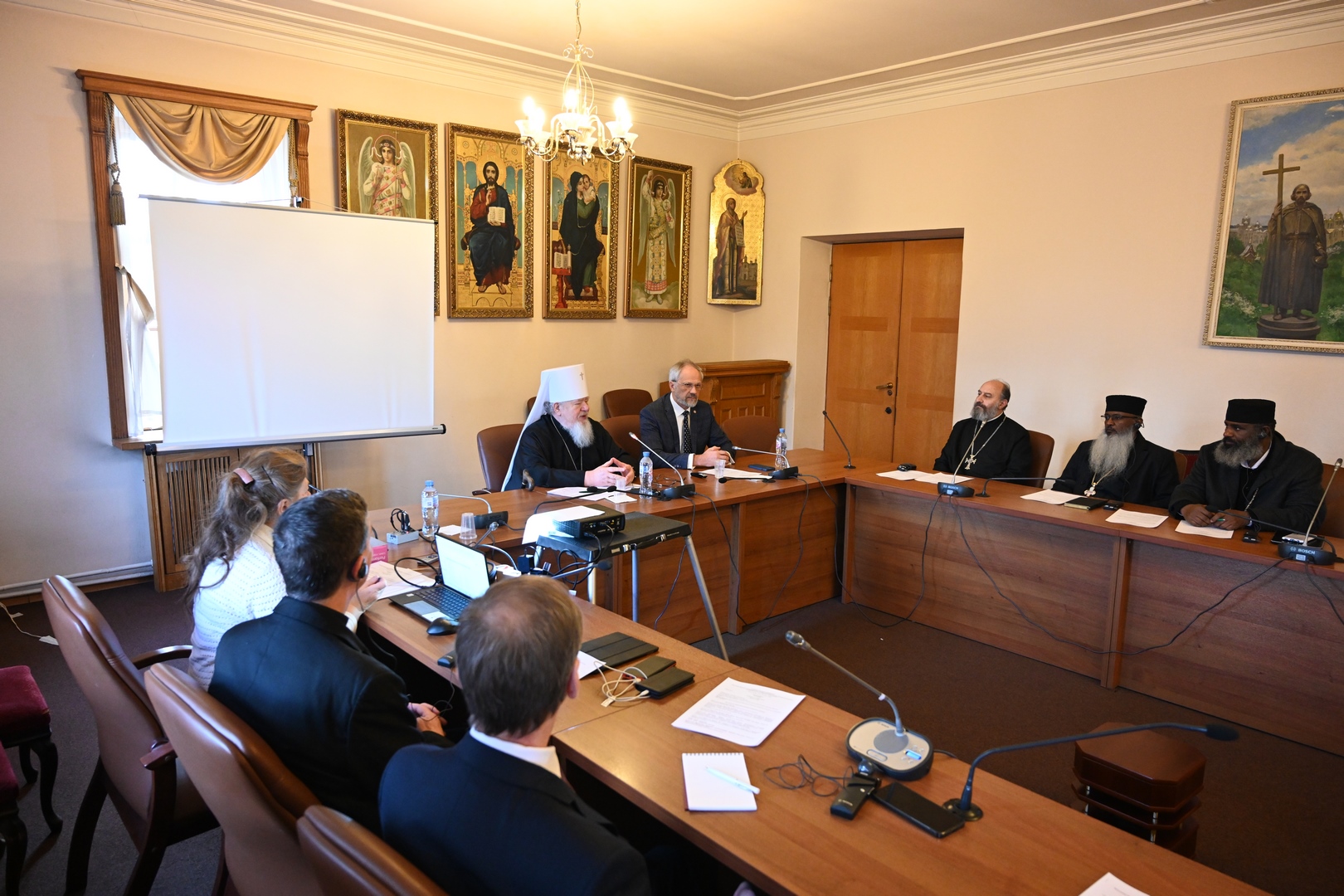
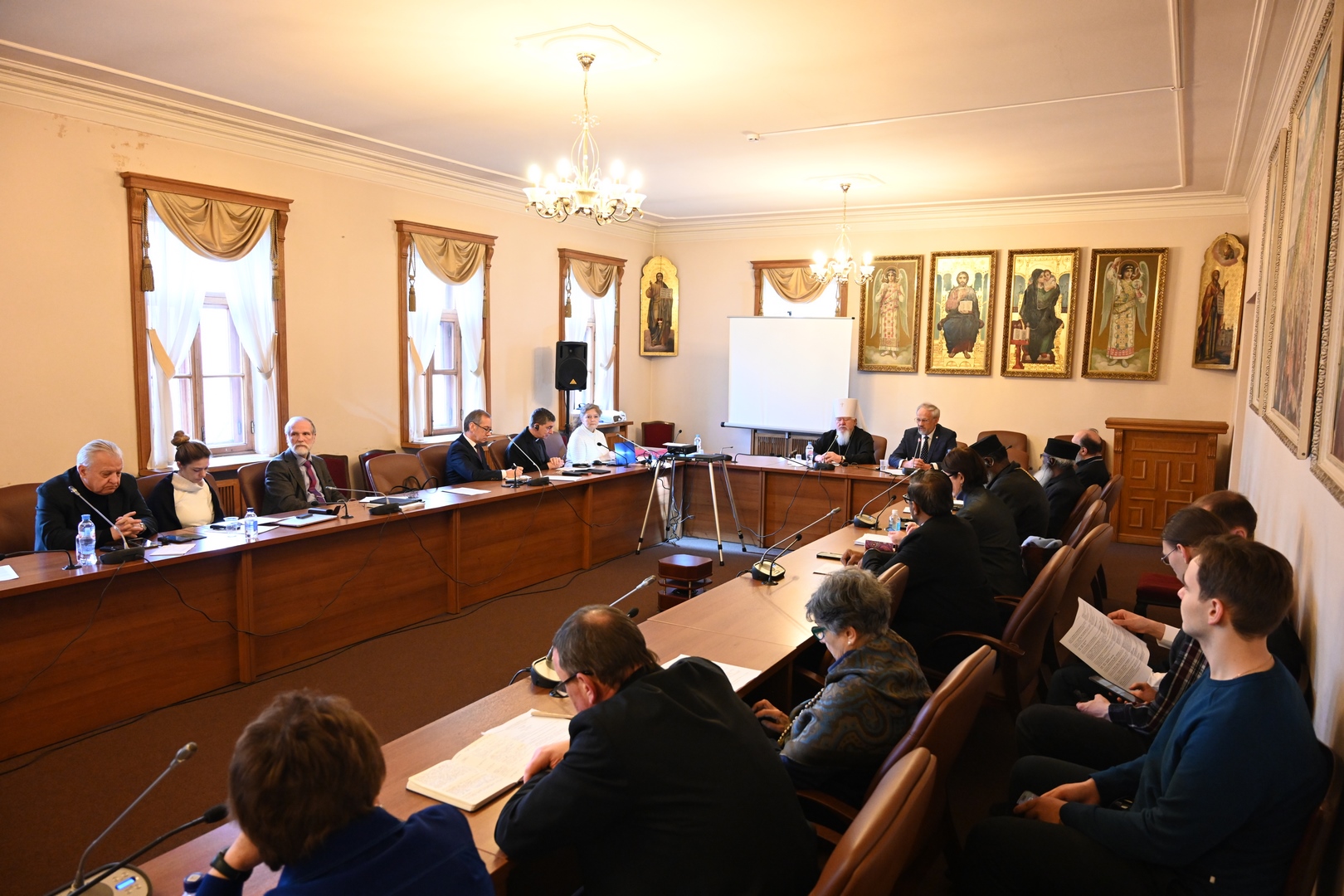
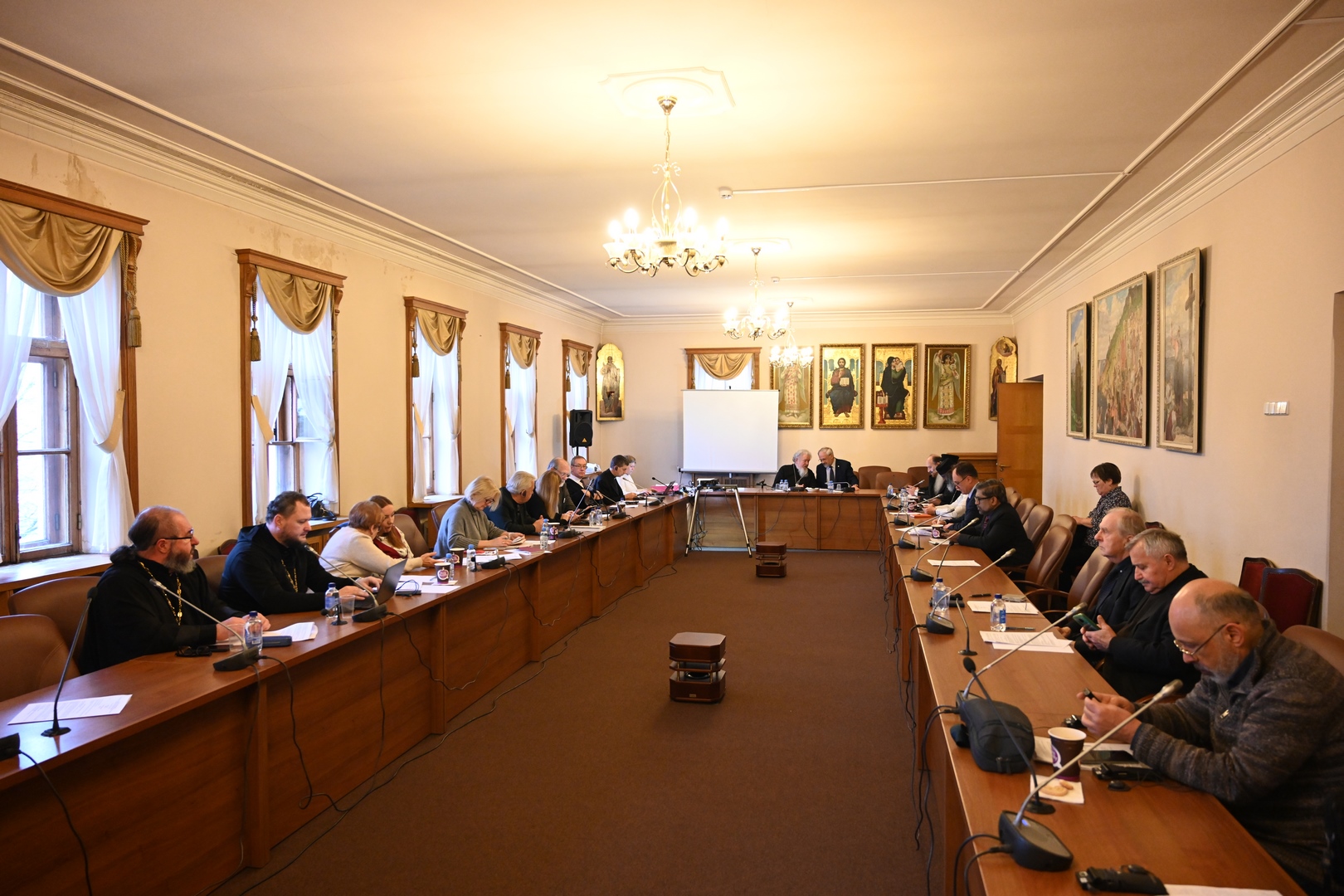
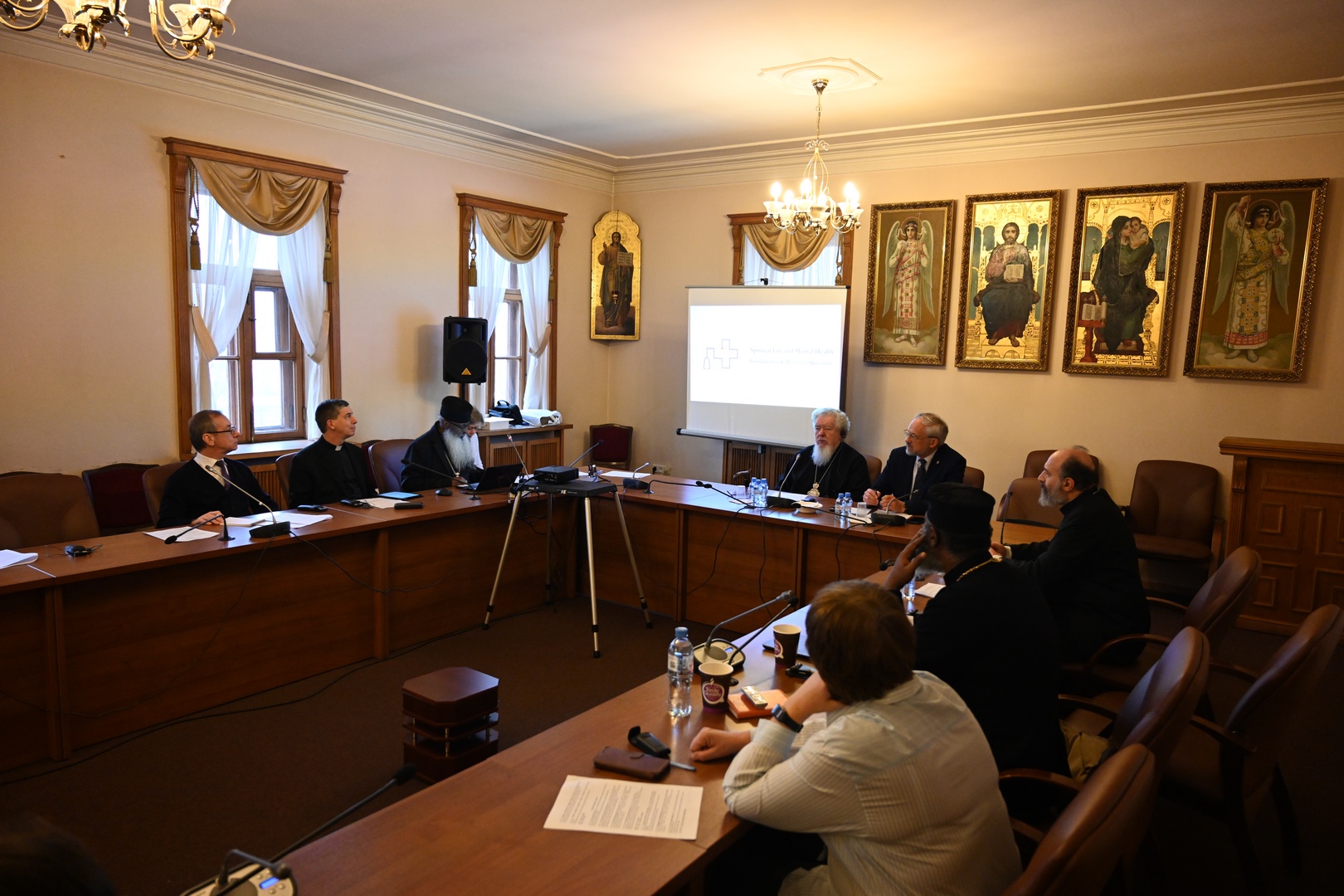
On November 22-23, 2024, the Department for External Church Relations of the Moscow Patriarchate hosted the VI International Conference "Church care for mentally ill people: age-related aspects of mental health disorders and pastoral care."
The conference was organized jointly by the Commission on Church Education and Diaconia of the Inter-Council Presence of the Russian Orthodox Church, DECR, the Section on Clinical Psychiatry, Religiosity and Spirituality of the Russian Society of Psychiatrists and the Scientific Center for Mental Health (SCMH). The meeting was supported by the international charitable foundation "Kirche in Not." The joint working group of the Roman Catholic and Russian Orthodox Churches on cooperation in the church and public sphere also participated in the preparation and holding of the conference.
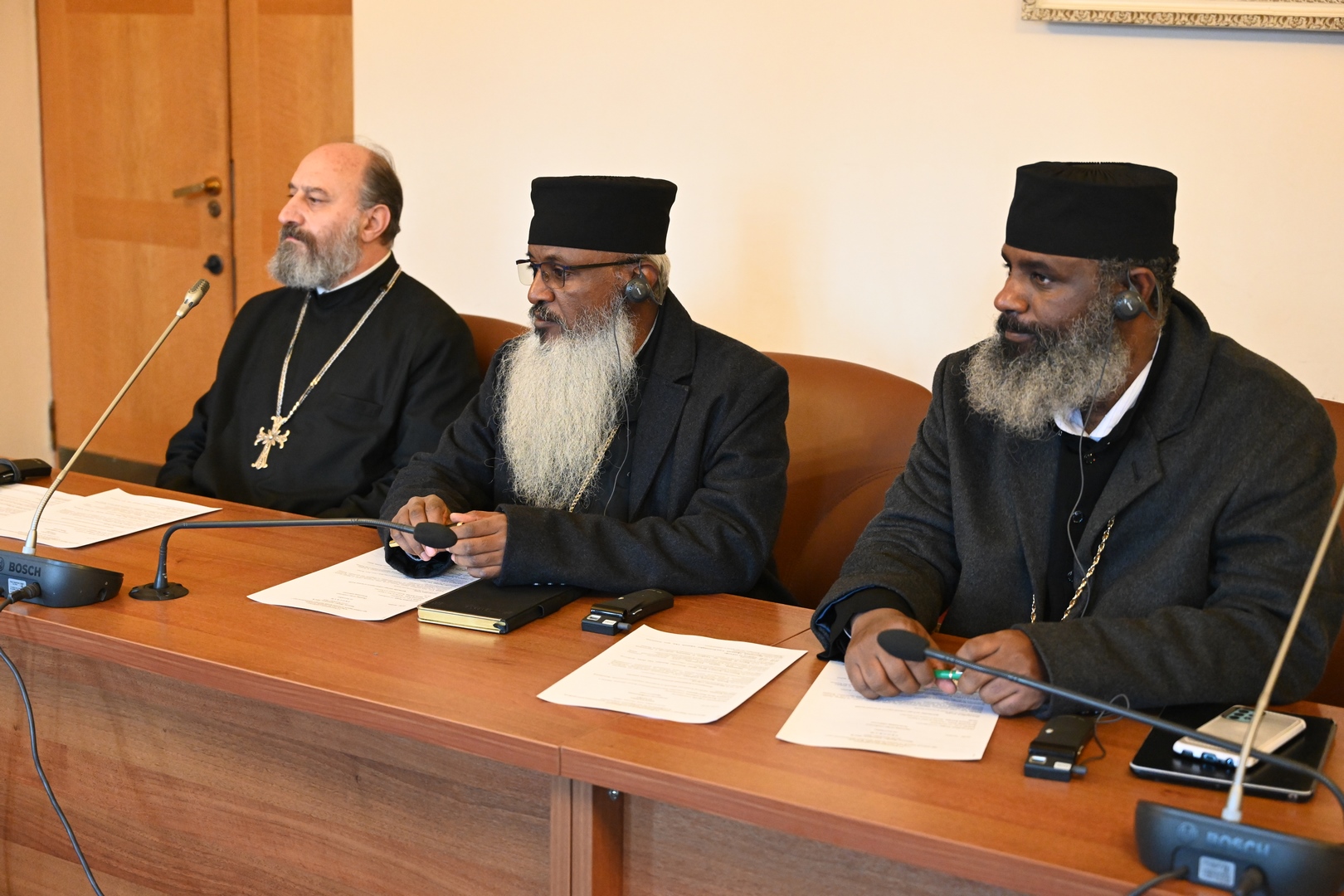
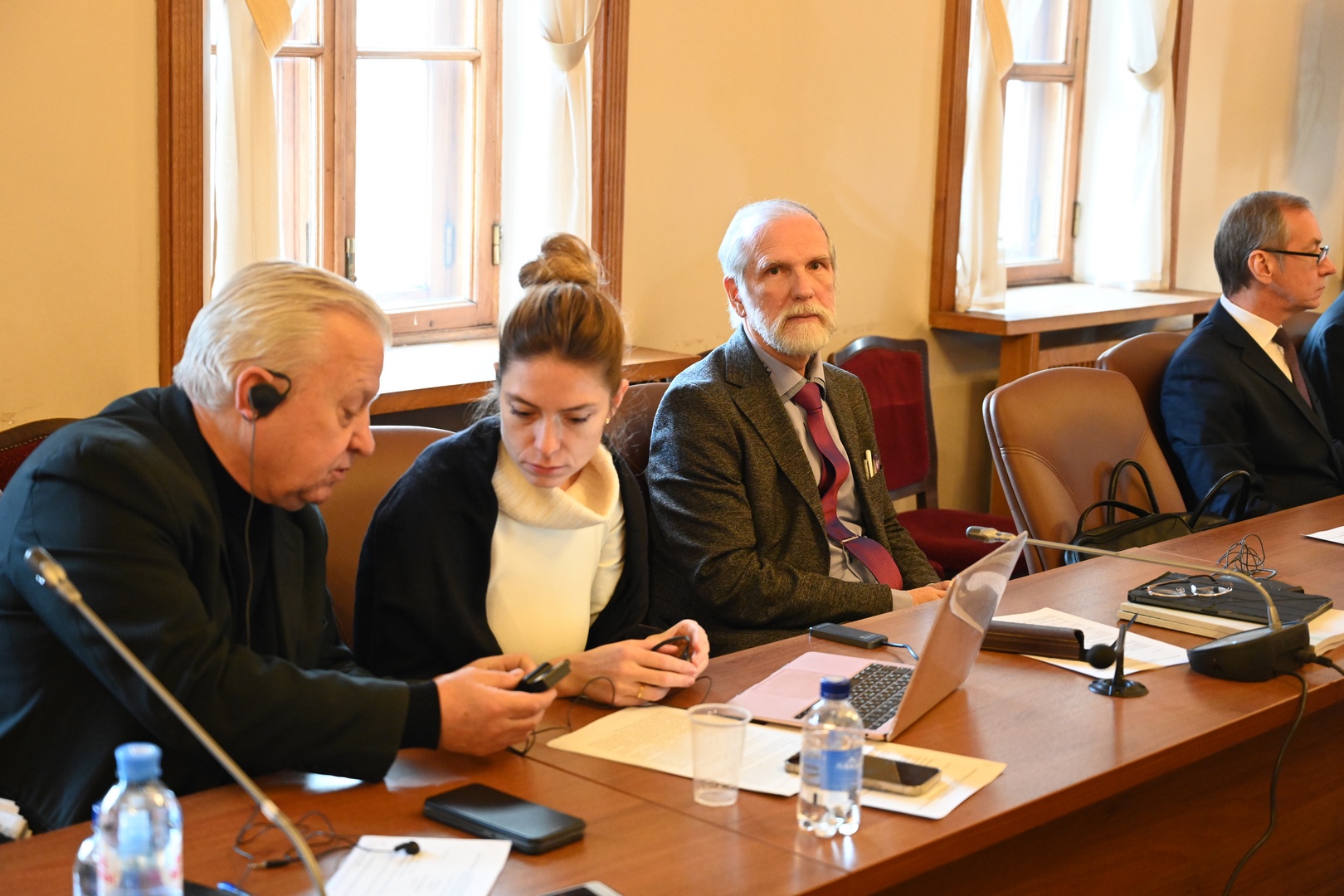
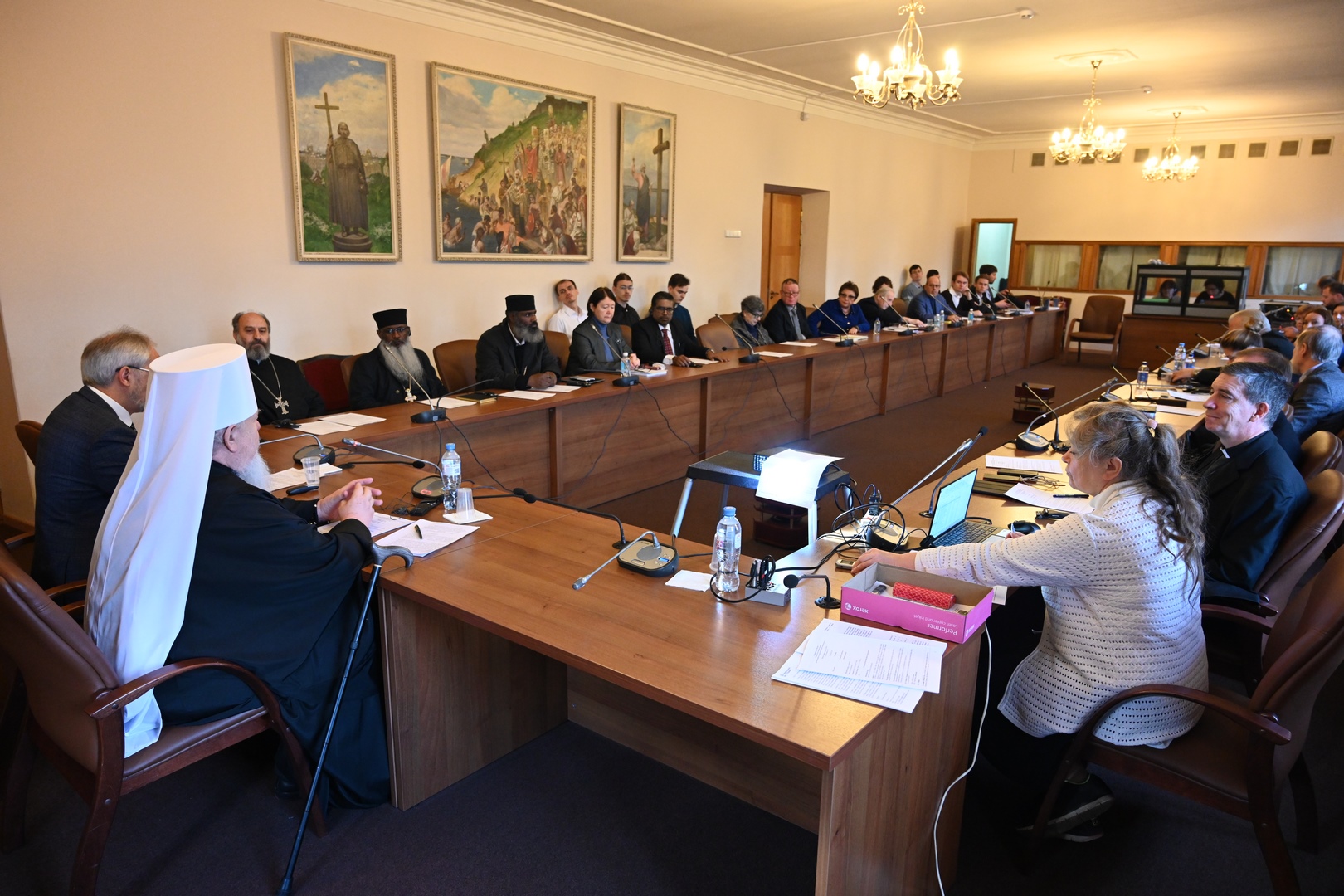
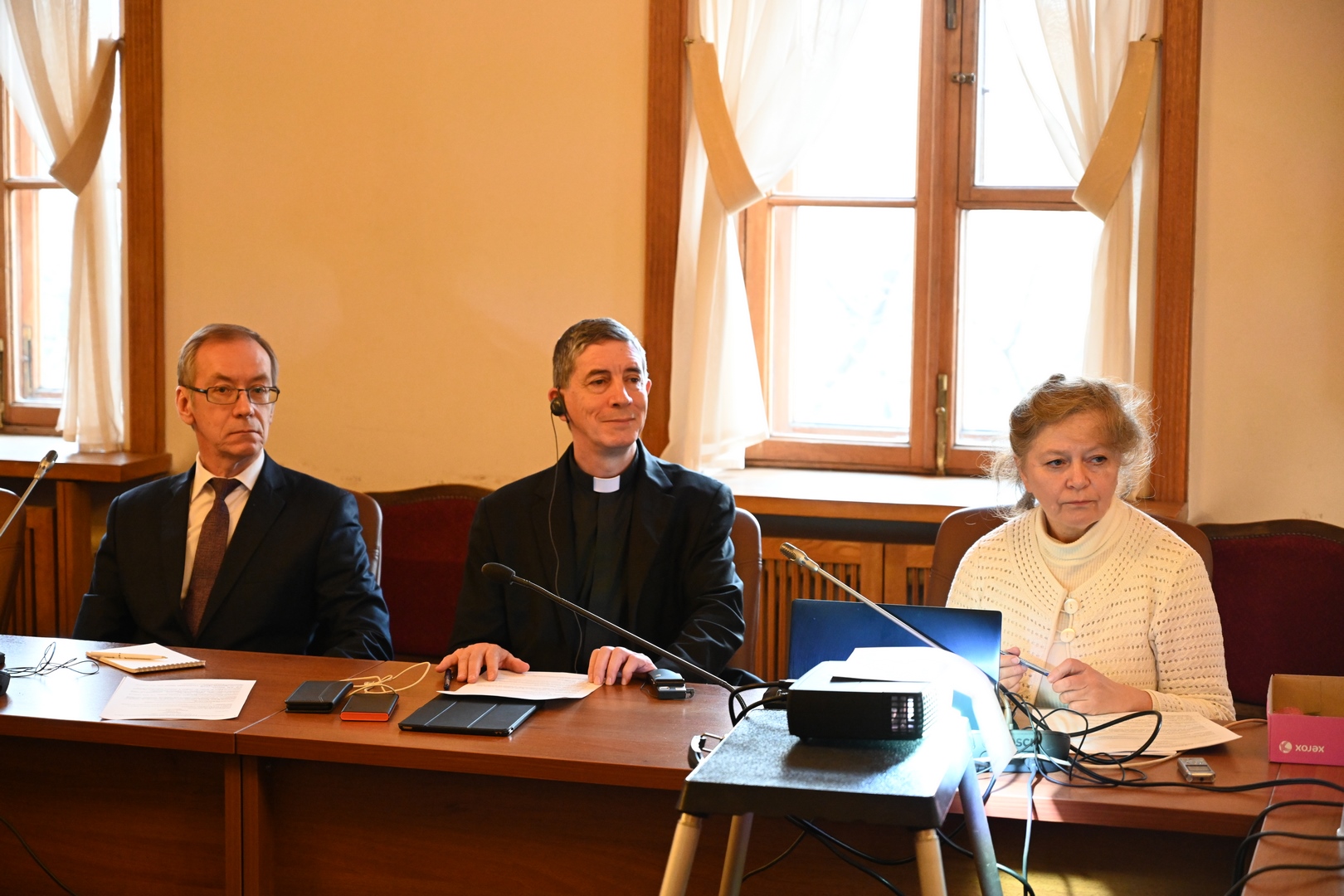
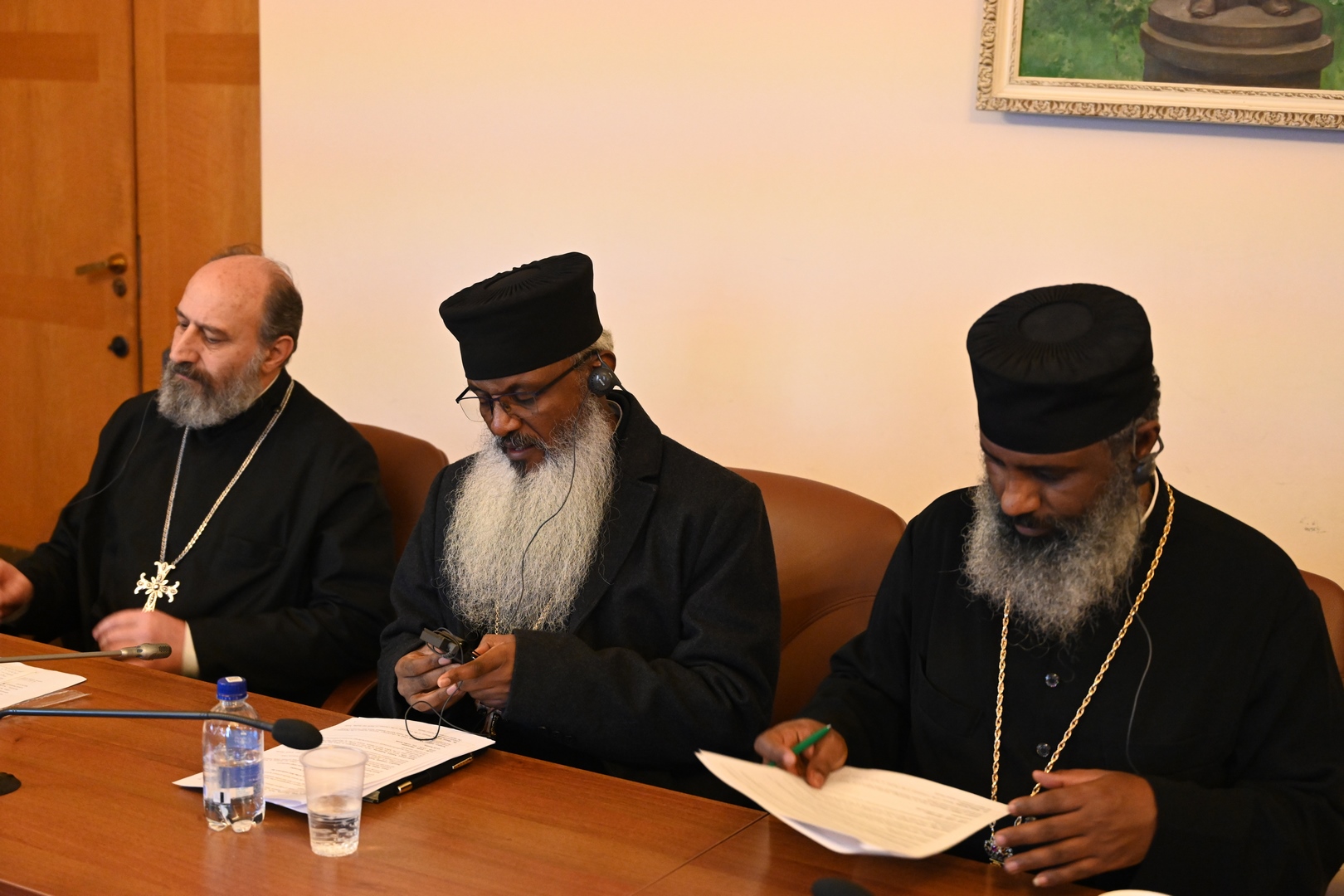
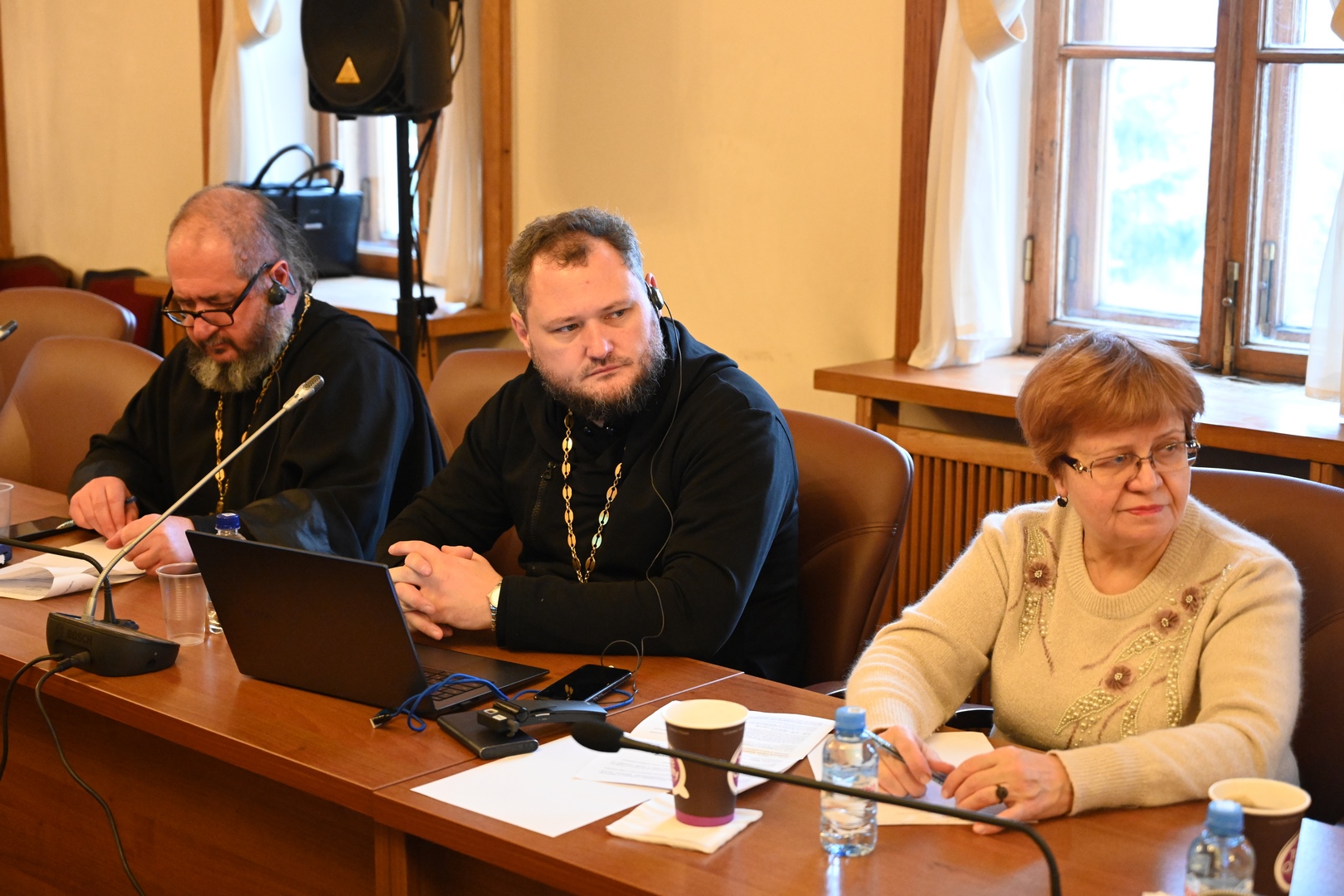
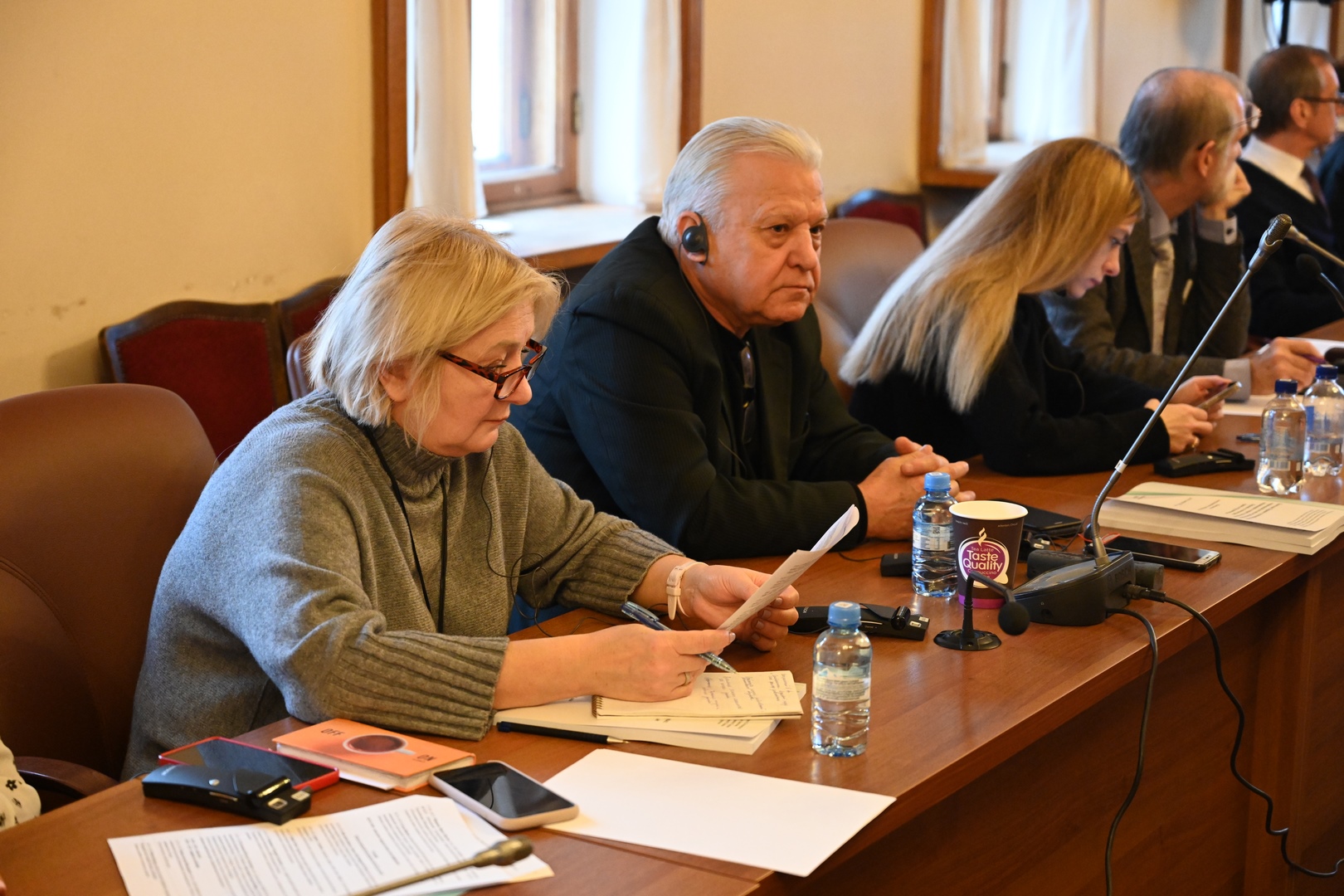
The conference was attended by over 60 participants – representatives of the Russian Orthodox, Romanian Orthodox, Roman Catholic, Coptic, Ethiopian, Armenian Apostolic and Malankara Churches, as well as the World Council of Churches from Russia, Spain, the USA, Germany, Italy, Ethiopia, India and Armenia; among the participants were also employees of state medical and research institutions. 33 reports were presented by psychiatrists and psychologists, clergy and theologians, teachers and students of theological faculties and schools.
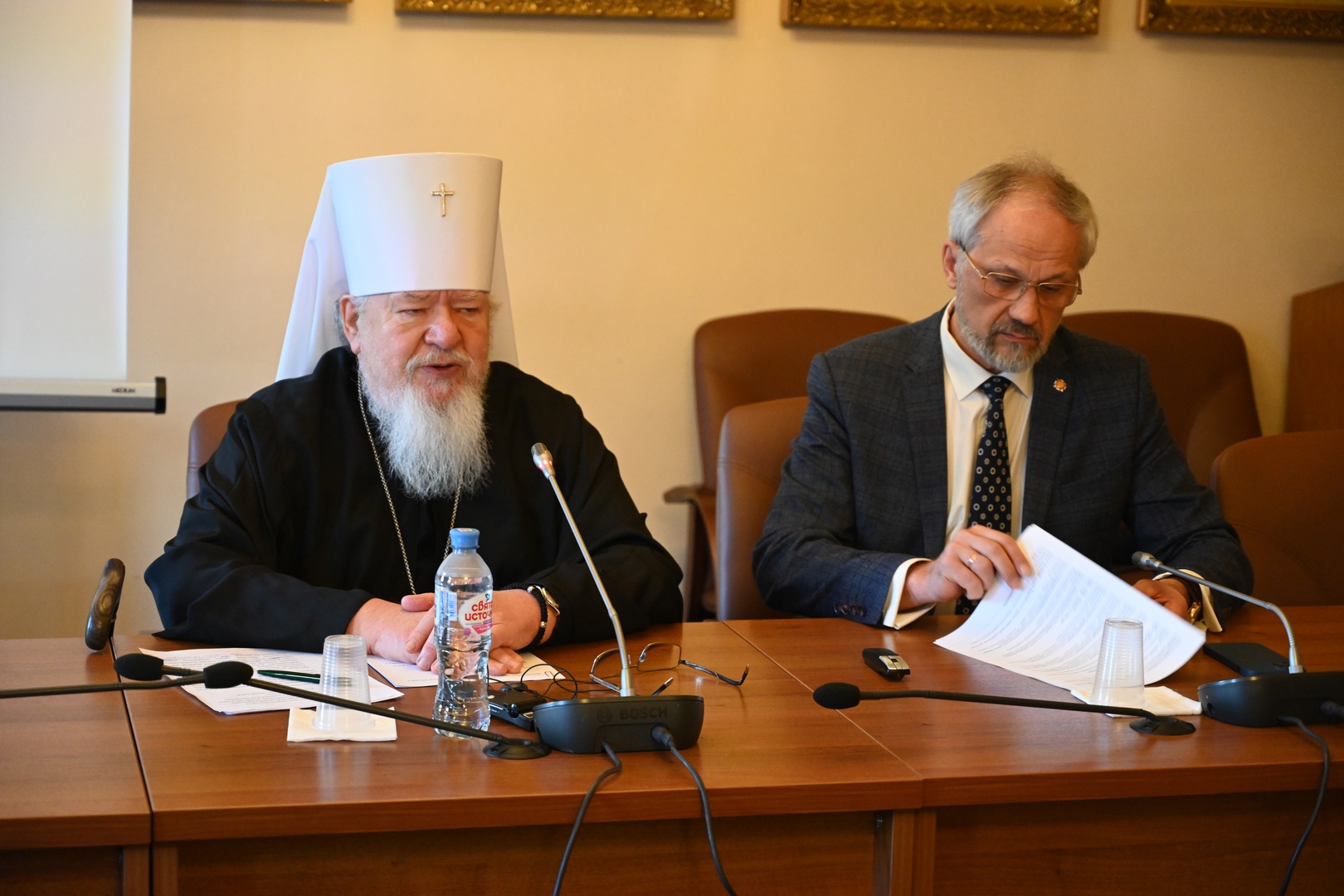
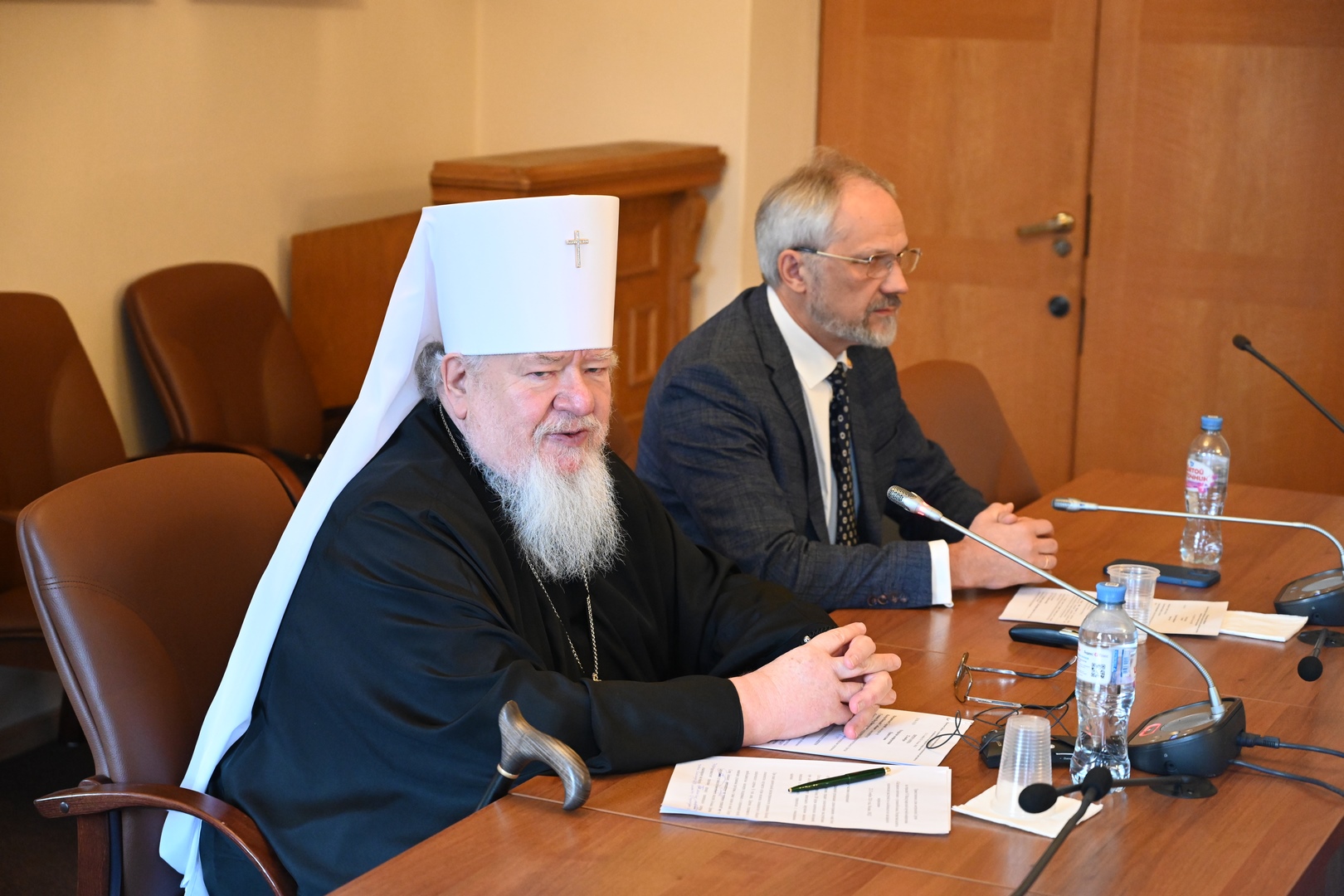
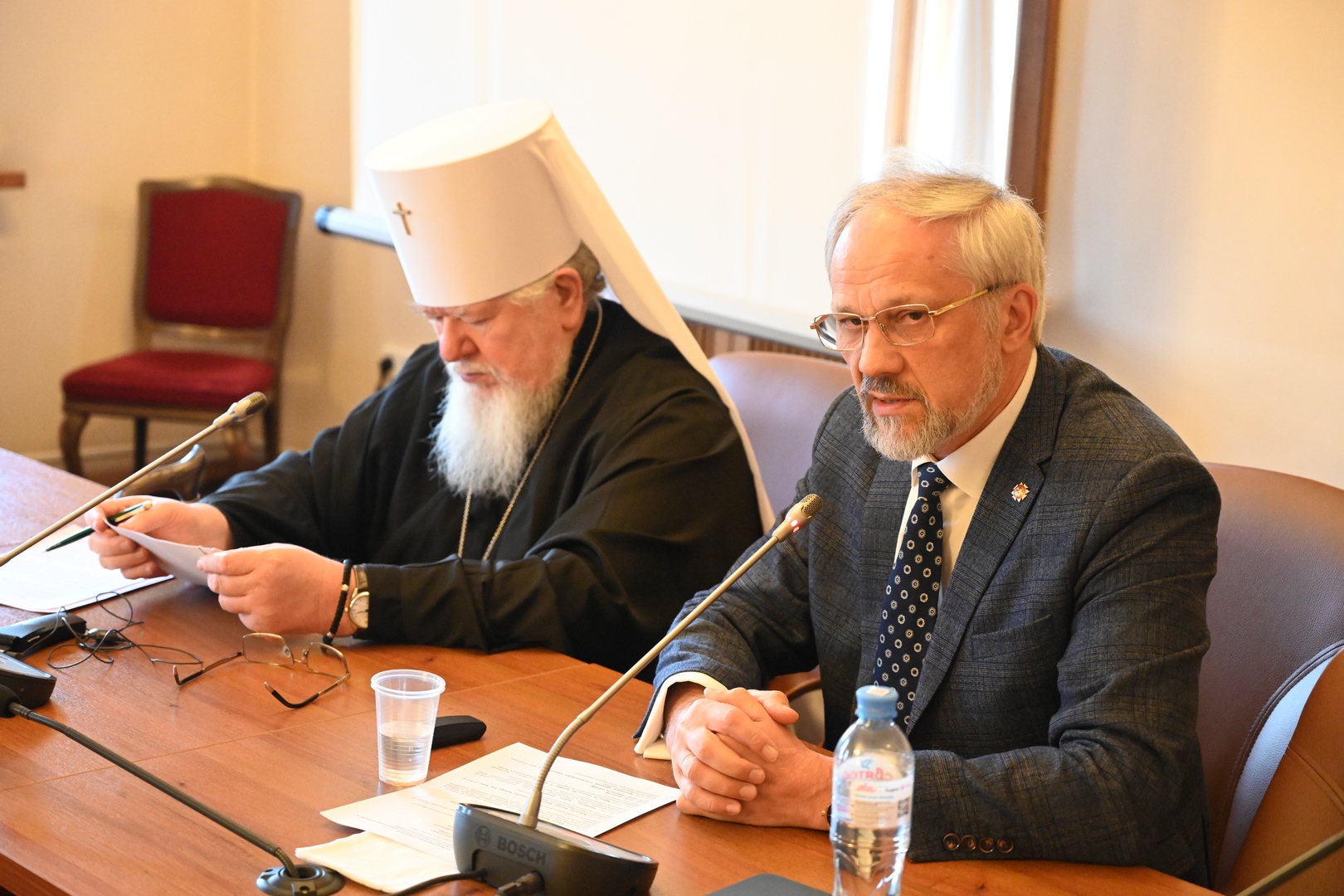
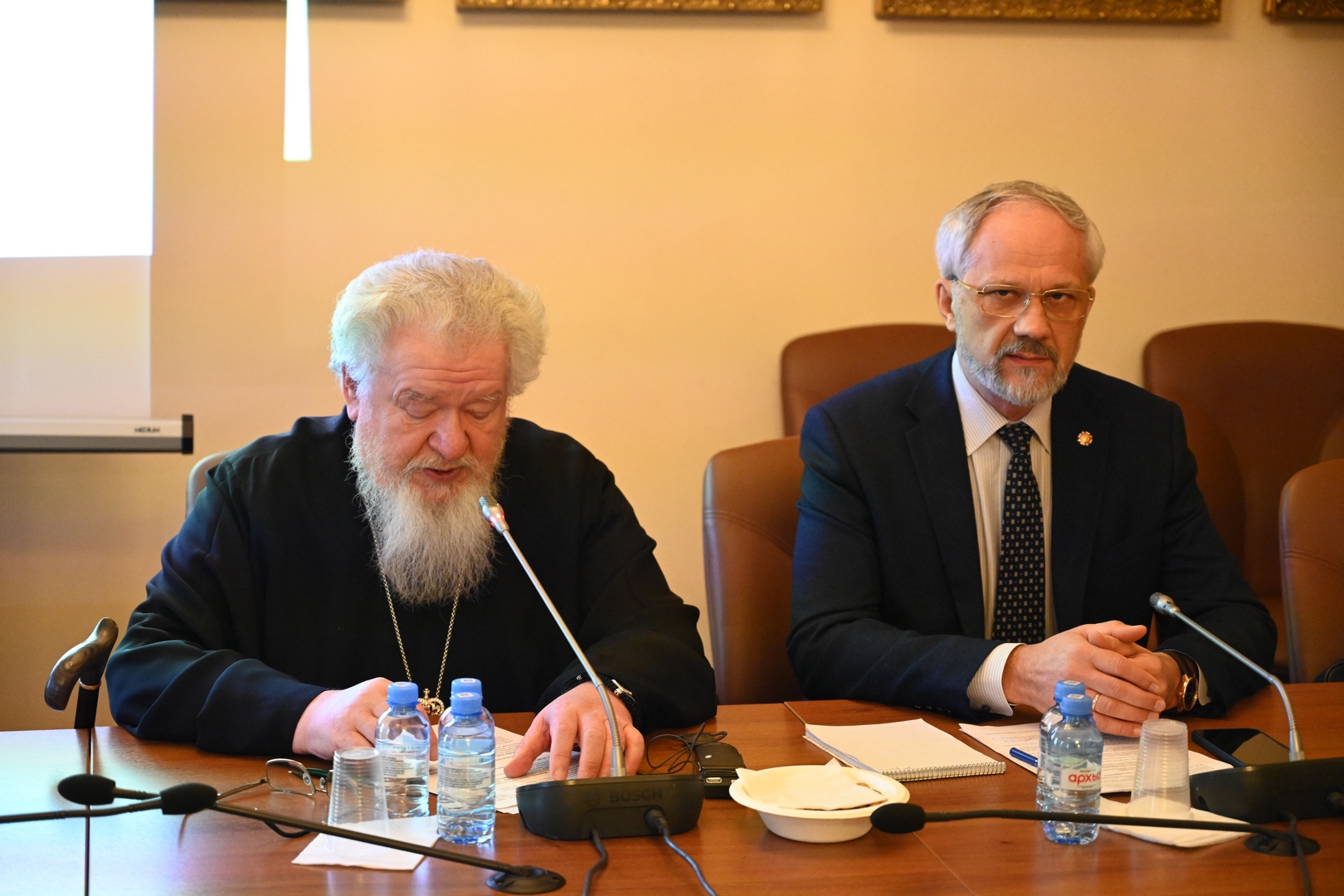
The conference was moderated by Metropolitan Sergiy (Fomin), head of the expert group on "Pastoral care for mentally ill people" of the Inter-Council Commission on Church Education and Diaconia. The conference was co-moderated by Kaleda V.G., Deputy Director of the SCMH and head of the Section on Clinical Psychiatry, Religiosity and Spirituality of the Russian Society of Psychiatrists.
Opening the conference, Metropolitan Sergiy noted in his introductory report that nowadays not only the medical community, but also the Church are faced with the need to fully support and accompany people with mental health issues, as well as their families. "The Church's care for mentally ill people involves informing parishioners about the problems, difficulties and joys faced by people with mental illness. Also clergy should be trained in psychopathology. Without this training, priests may not be able to recognize signs of mental illness, and may mistake them for manifestations of spiritual imperfection, such as not praying hard enough or being possessed by devil". Mental health issues affect all age groups, including children and the elderly. It is important that the family plays a key role in maintaining mental health, and that society and the church work together to eliminate the stigma of people with mental disorders. Support and understanding from others can significantly improve the quality of life of such people, which is an important task for both the medical community and the clergy.
At the opening of the conference, co-moderator V.G. Kaleda, MD, Professor, Deputy Director for External Relations and Educational Activities of the SCMH gave a welcoming speech. He conveyed best wishes to the audience on behalf of the Board and the President of the Russian Society of Psychiatrists, as well as the Directorate of the Scientific Center for Mental Health. V.G. Kaleda noted the multidisciplinary profile of the conference, which was attended by psychiatrists, psychologists and clergy, and which reflected a modern integrative understanding of the nature of mental disorders from the perspective of the bio-psycho-socio-spiritual model. He stressed that the conference was aimed at integrating various approaches and developing cooperation at the international level with specialists in the field of psychiatry and psychology, as well as forming partnerships with clergy.
On behalf of the charity foundation "Kirche in Not" and its leadership, the conference participants were welcomed by P.V. Humeniuk. He noted that the series of conferences "Church care for mentally ill people" is focusing to the inner existential processes taking place in a person, which are the subject of medical science and church care. The conferences have become an important platform for dialogue between scientists and the Church. This dialogue is leading to fruitful results that extend far beyond the conference. The participation of various confessions in this dialogue enhances it and helps to broaden its scope, which seems highly relevant today.
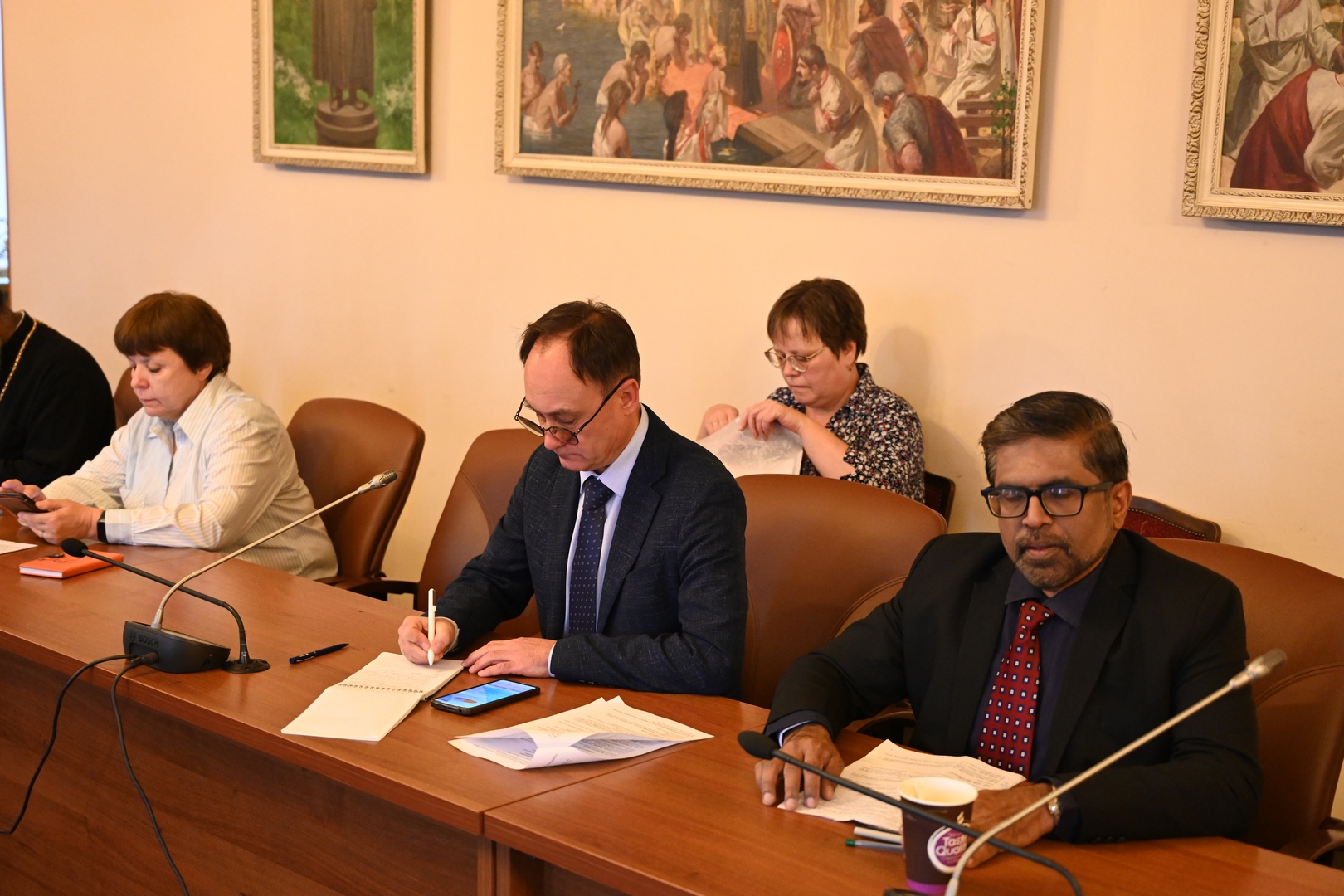
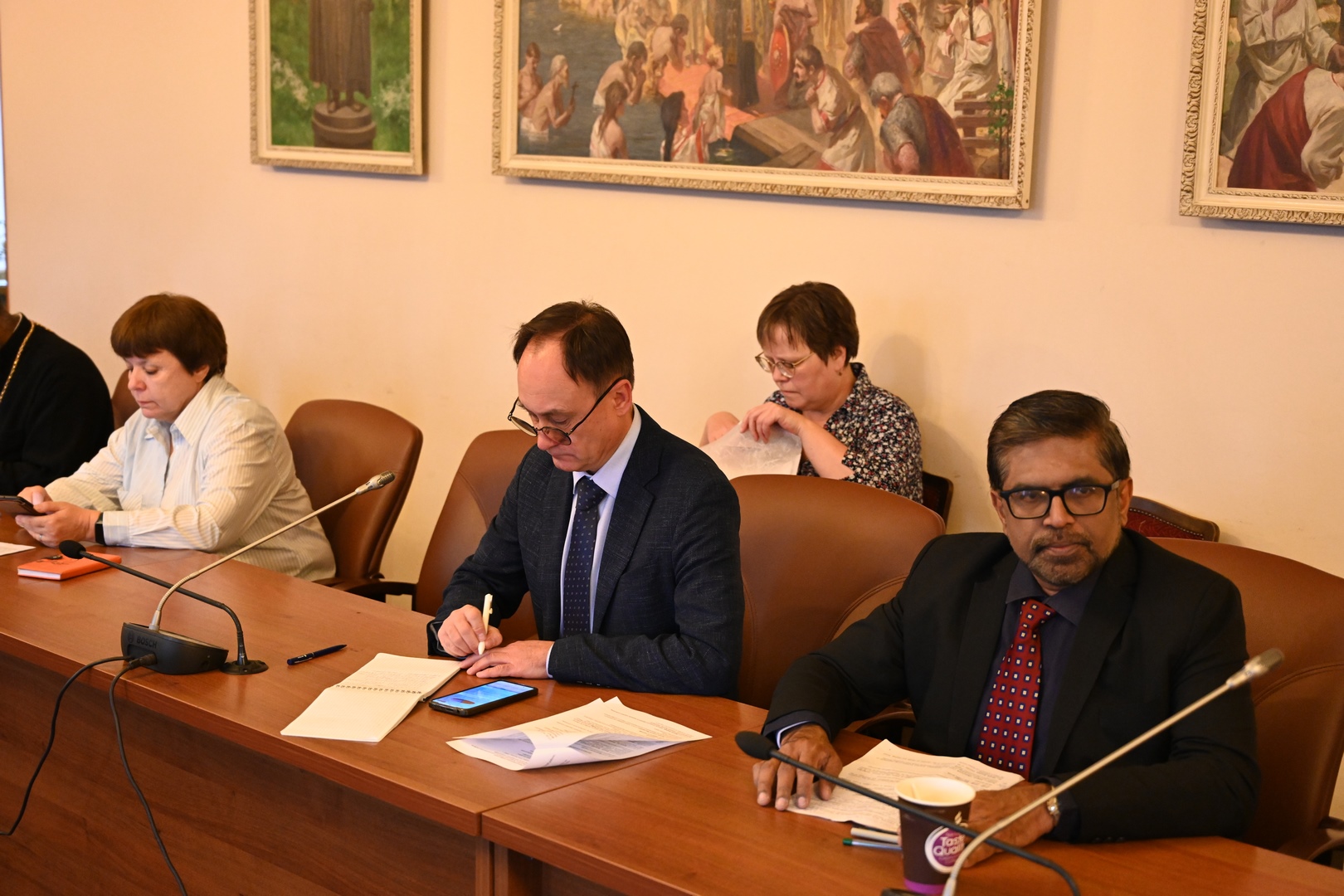
Dr. Manoj Kurian, Director of the Commission of Churches on Health and Healing of the World Council of Churches, welcomed the conference participants. He conveyed greetings from the leadership of the WCC and the wishes of success to the conference participants in discussions, as well as fruitful continued cooperation between religious communities and mental health professionals. He said that the World Council of Churches recently launched the "Campaign of Hope: Mental Health and Well-being for All," aimed at creating a supportive environment in religious communities that promotes and maintains mental health and well-being. The WCC invites all churches and organizations to join this campaign.
Kaleda V. G., Deputy Director of SCMH, in his report "Mental disorders and age", spoke about the different age periods in human life that are characterized by biological changes, including the nervous system maturation. He also mentioned that there are crises that occur during these stages, which he described as normal processes that are necessary for personal development. Each crisis presupposes the resolution of certain challenges, including those related to the choice of the social circle, mode of communication, worldview, etc. The course and onset of some types of mental disorders also have their own characteristics depending on the age period. For example, the manifestation of autism is typical for childhood, and dementia is typical for later life. The age of the patient must be taken into account not only when prescribing medications, but also when choosing psychotherapeutic treatment approaches. V. G. Kaleda elaborated on disorders characteristic of childhood and young age: for example, autism spectrum disorders, manifested at an early age; non-suicidal self-harm, occurring among adolescents all over the world. The peak of suicides occurs in men aged 40 years. The number of people suffering from dementia is increasing worldwide, and there are now approximately 70 million people affected. The risk of this disease increases after the age of 50. Modern psychiatrists recognize that the cause of mental illness can be, among other things, spiritual problems: loss of value orientations, moral degradation. The speaker concluded his presentation with the words of D. E. Melekhov that mental health can be achieved when the three spheres of human personality — spirit, soul and body — are in accord, in harmony with each other. This can be achieved only under predominant influence of the sphere of the spirit.
Rev. Wenceslao Domingo Vial Mena, Professor at the University of the Holy Cross (Italy, Rome), Roman Catholic Church, made a presentation on "Inner peace in the man in a technological society." He noted that modern technologies such as the Internet create many challenges for mental health and inner peace. The anonymity and isolation existing in a virtual environment can lead to toxic relationships and addictions. These problems undermine personal identity and contribute to the spread of negative emotions, which forces a person to look for ways to achieve balance, including yoga and "mindfulness" that help manage stress and develop self–awareness. Christian prayer, unlike self-control techniques, is an encounter with the Personality of Jesus Christ and serves as a source of inner peace. It requires establishing a relationship with God and being aware of His presence in one’s life. Ultimately, it is only through loving other people as brothers and sisters and creating a space for silence that allows one to disconnect from excessive internal and external stimuli that one can find sustainable inner peace, described by Thomas Aquinas as "the perfection of joy."
Pishchikova L. E., MD, Head of the Department of Geriatric psychiatry, V. Serbsky Federal Medical Research Centre of Psychiatry and Narcology of the Ministry of Health of the Russian Federation, made a presentation on "Characteristics of late-life depression. The role and importance of spiritual care". She focused on issues related to epidemiology, typology and clinical manifestations of late-life depression, and spoke in detail about bio-psycho-socio-spiritual factors that may be the cause of depression. She said that according to the World Health Organization, approximately 280 million people globally suffer from depression, which includes 5.7% of individuals over the age of 60 (Institute of Health Metrics and Evaluation, Global Health Data Exchange, 2023). People over the age of 60 account for about 25% of suicide deaths. In addition, there is a problem of insufficient diagnosis of depressions all over the world, since their symptoms coincide with other socio-psychological problems of the elderly. Depression is one of the risk factors for developing dementia. And the causes of the development of depression and anxiety disorders in late life can be biological (age factor, age-related brain involution, states of physical and mental decline, decreased adaptive capabilities, the presence of several other chronic diseases, a tendency to anxiety and depressive reactions, emotional instability, susceptibility to traumatic circumstances), mental and psychological (mental and moral injuries, family problems, loss, deterioration of well-being, loss of meaning) and social (retirement, loss of work, age discrimination, abuse and violence, loneliness, and the collapse of previous ideals and worldviews). The speaker presented the results of a clinical study that identified markers of an unfavorable prognosis of late-term depression, and spoke about the features of psychopathological symptoms in religious patients. Based on official documents of the Russian Orthodox Church, the opinions of clergy, and recommendations from psychiatrists, she spoke about the role, significance, and features of pastoral counseling in this type of mental pathology.
Dr. Varghese P. Punnoose, Professor, Head of the Department of Psychiatry and Principal of the Government Medical College Kottayam (Kerala, India), spoke on two issues: "Depression in the elderly" and "Attention Deficit Hyperactivity Disorders in Children and Adolescents."
Speaking about depression in the elderly, Dr. Punnoose noted that depression is sometimes mistakenly considered as part of the normal aging process, an understandable reaction to the difficulties associated with old age, and that it does not require any treatment. Depression in old age should be understood as a condition characterized by constant bad mood, inability to experience pleasure (anhedonia), and fatigue that can not be explained by medical conditions. Other signs include loss of appetite and weight, sleep disturbances, feelings of slowness, feelings of excessive guilt, helplessness, despair, and even suicidal thoughts. Diagnosis can be complicated by the presence of comorbidities, medications, vision problems, hearing difficulties, and memory issues. Depression can sometimes present itself with symptoms that are similar to those of dementia. Atypical signs such as irritability, agitation, noise intolerance, etc., can also characterize geriatric depression. Depression can be caused by various losses such as the death of loved ones, loss of income, difficulties with independent movement, isolation from society, etc. Depression in the elderly should be treated with both medication and psychotherapy. An elderly person with depression, especially if one is a widower and single, has a high risk of suicide, which should certainly be taken into account and sensitively assessed by every elderly person with depression. Any signs of suicide (whether a direct statement or an indirect indication, such as making a will or taking last actions) should be taken very seriously and proactive measures should be taken. When providing spiritual pastoral care to elderly parishioners suffering from depression, the priest should pay attention to such manifestations of the disease as fear of death, complaints about lack of attention from children, unwillingness to participate in parish events and even divine services.
Speaking of Attention Deficit Hyperactivity Disorder (ADHD), Dr. Pannus noted that it is the most common developmental disorder of the nervous system in children. According to him, ADHD affects 5-7% of school-aged children. It is characterized by impaired attention when performing tasks that require constant concentration, by anxiety, hyperactivity, and the inability to control impulsive verbal and behavioral reactions. All this can lead to a significant deterioration in academic performance and behavioral problems in childhood. If it is not identified and addressed at an early age, the risk of oppositionality in adolescence, antisocial behavior in adulthood, and the risk of drug addiction increase. Two thirds of children with ADHD also have concomitant developmental and learning disorders, such as dyslexia. Proper detection and early intervention, including medication, behavioral strategies, and educational support, even when a child is in elementary school, can produce very good results. Contrary to previous assumptions, it has been found that ADHD can continue into adolescence and even adulthood in two-thirds of cases, leading to significant challenges in career and marriage. Clergy who work with families with children who have poor academic performance or challenging behavior should be aware of these treatable conditions and encourage parents to seek professional assistance. At the parish or diocese level, training seminars can be organized for parents and educators, including Sunday school teachers. These seminars can involve the participation of psychiatrists and psychologists who adhere to Christian values. Both children and parents need spiritual and psychological support, as they experience high levels of frustration, low self-esteem, and feelings of guilt.
The priest of the Romanian Orthodox Church, Protosinghel Athanasie (Ulea), a doctor and psychologist (Germany), in his report "Prevention of Dementia: the Perspective of a Doctor and Priest", noted the need for an integrated approach combining medical, social and spiritual aspects. A balanced and active lifestyle, addressing health issues, strengthening social connections, and engaging in spiritual practices can help reduce the risk of dementia. The church plays an important role by creating a supportive community, encouraging fasting, and fostering a culture of communication that promotes mental health. These practices are important not only for preventing dementia, but also for maintaining overall well-being.
Kopeiko G.I., Ph.D., Head of the Department of Special Forms of Mental Pathology of the SCMH, spoke about the age-related aspects of delusional disorders. He noted that the psychopathological picture of such disorders in endogenous psychoses (i.e. caused by internal processes in the body) depends on many factors, including age, the degree of personality change and the previous course of the disease. In children and adolescents, delusional and hallucinatory symptoms may manifest differently than in adults, and their diagnosis can be challenging due to developmental characteristics and lack of mental maturity, and symptoms may vary depending on the child's age and stage of development. In childhood, delusional thoughts often take the form of fantasies and may manifest themselves as pathological fantasizing, which can become more complex over time. In adolescents, delusions become more complex and may include elements typical for adult psychopathology, such as paranoia and delusions of harassment. In older age, there is a second peak in the development of mental disorders, when delusional disorders often take on a more common and specific form. Delusions can include jealousy, fear of poisoning and material damage, and hallucinations become less pronounced and more abstract. At this age, there is a tendency towards social isolation and a decrease of interest in life, which can negatively affect the overall health and life quality of patients. During the stage of stabilizing the process and reducing its psychopathological symptoms, there is a certain dynamic in hallucinatory experiences: the proportion between different types of hallucinations changes, and the logical and analytical components of delusions decrease, leading to the emergence of unmotivated statements that are perceived as facts. The role of imagination in these delusional experiences increases, especially among older individuals.
The theme of the presentation by Alekseeva A.G., Ph.D., senior researcher of the Department of Special Forms of Mental Pathology of the SCMH was the comparative age-related aspects of affective disorders. Affective diseases related to endogenous disorders occur due to disruptions of internal biological processes, such as neurotransmitter dysfunction. Since the beginning of the 20th century, affective psychosis has been recognized as an independent illness, with its main symptom being a mood disorder. These disorders can be classified according to various criteria, including type, severity, and age-related changes, and require careful diagnosis and treatment. Depressive and manic states in patients of different ages have significant differences. In children and adolescents, they can disguise themselves as somatic (i.e. bodily) symptoms, which makes diagnosis difficult. Hormonal changes play an important role in adolescence, which can cause emotional instability and increased suicidal risk. In older people, affective disorders are often accompanied by somatic diseases and can manifest as anxiety and hypochondria, which also requires special attention. Mixed affective states, when depressive and manic symptoms are intertwined, are complex clinical cases that require an individual approach to treatment. Knowing the specific clinical manifestations of affective disorders in different age groups is essential for timely diagnosis and appropriate treatment strategies, as well as psychological and pastoral support.
Golovina A.G., MD, Leading Researcher, Head of the Department for the Study of Adolescent Psychiatry Problems of SCMH spoke on "Existential Crisis and Autoaggressive Behavior in Adolescents." The existential crisis in adolescents is a difficult stage of transition from childhood to adulthood, accompanied by the search for meaning in life and their own place in the world. During this period, adolescents face emotional, cognitive, and behavioral problems such as fear, anxiety, loss of joy, as well as conflict and autoaggressive behavior. These manifestations can be aggravated by mental disorders and lead to various forms of self-destruction. Auto-aggressive behavior is divided into self-destructive and self-harming, including both non-suicidal and suicidal actions. The urgency of this issue is increased by the high prevalence of these behaviors among adolescents, making them one of the leading causes of mortality in this age group. Social and clinical factors such as mental disorders, family problems, and stressful situations play a significant role in the development of autoaggression. Multidisciplinary strategies that include not only psychiatrists and psychologists, but also representatives of the clergy are needed to effectively help adolescents with autoaggressive behavior. Religion and spirituality can serve as important resources for preventing mental disorders and improving the quality of life. Given the Church's experience in solving existential problems, its involvement in supporting adolescents can have a significant impact on their psychological well-being and plays an important role in preventing mental disorders, reducing their prevalence, maximizing the effectiveness of therapy, and improving disease outcomes. Based on data on the role of spirituality and religion in improving the quality of life and mental health of the general population, WHO has included them as parameters for assessing the quality of life of an individual.
Prutskova E. V., Ph.D., senior researcher of the scientific laboratory "Sociology of Religion", senior lecturer at the Department of Philosophy and Religious Studies of the Theological Faculty, Orthodox St. Tikhon Humanities University, and Tazin V.A., 4th year bachelor student of the Theological Faculty, Orthodox St. Tikhon Humanities University, presented a joint report on "Religious experiences as a phenomenon of mental health and mental pathology". The psychology of religion actively explores religious experience, including the experience of abandonment of God, which is an important stage in the spiritual growth of a Christian. This condition, often found in deeply religious people, can lead to a more mature faith. In 2021, the Scale of Abandonment by God (SAG) has been developed, which measures the positive aspects of this experience, emphasizing the transience of abandonment and the hope for the return of the divine presence. The scale was studied in three stages, including the formulation of judgments and testing on samples of students and Catholic believers. The results confirmed the validity of the scale, however, in the clinical sample consisting of patients with mental disorders, the scale showed less reliability and ambiguity. This indicates that in such patients, abandonment may reflect not only their spiritual experience, but also their mental state. The findings of the study emphasize the need to distinguish between the positive and negative sides of the experience of abandonment, especially for patients with mental disorders. Positive aspects, such as hope and the meaning of life, do not always reflect the full picture, and it is important to develop tools to diagnose negative experiences related to loss of meaning and guilt. This will provide more effective psychotherapeutic care for religious people being in crisis.
Borisova O. A., Ph.D., Leading Researcher of the Department of Special Forms of Mental Pathology of the SCMH, in the report "Peculiarities of destructive behavior in middle-aged patients with delusions of the end of the world in schizophrenia", said that during the psychopathological analysis of doomsday delusions of religious content, two types of this symptom complex were identified, having distinct clinical, phenomenological differences and various mechanisms of delusion: type I (apocalyptic) with a sense of the impending imminent end of the world. It unfolded within a time-limited attack in paroxysmal schizophrenia; type II (eschatological) is waiting for the end of the world in the foreseeable future as part of a chronic continuous course of schizophrenia. The research revealed predominant antisocial and potentially self-harming behavior in type I delusions with minimal presence of antisocial, immoral behavior, whereas in type II potentially damaging behavior prevailed, mainly in the form of inducing delusions in others and a heteroaggressive form of behavior.
Voskresensky B.A., Ph.D., Associate Professor of the Department of Psychiatry and Medical Psychology, N.I.Pirogov Russian National Research Medical University, made a presentation on "Comparative age approach as a diagnostic tool." The human psyche has its own history of development both in relation to the individual and to humanity as a whole. Its development can be traced through various stages, starting with bodily processes and ending with complex forms of consciousness; Knowing these patterns is one of the necessary conditions for psychiatric diagnosis. The report presents the stages of formation of individual mental processes and structures (motor and sensorimotor, affective, ideational processes, consciousness, temperament, character, personality); discusses the problem of age-related crises; notes the diagnostic significance of individual phenomena caused by age-related mental development. The speaker noted that the ontogenesis of the psyche includes the sequential development from simple somato-vegetative processes to more complex functions such as motor skills, emotions and thinking. An important aspect is that at each stage of the development of the psyche, both normal and psychopathological conditions can occur. Psychiatrists note age-related crises and possible developmental disorders, such as delayed or accelerated development, which can lead to serious mental disorders. In addition, in the context of mental development, it is important to distinguish between the concepts of character and personality. Character is formed through the process of growing up and personality is shaped during adolescence, when a person starts to choose his life path. Understanding these aspects can help in the diagnostic process and in the evaluation of psychiatric care. Ultimately, the history of the psyche of both individuals and humanity as a whole is an important element for understanding and treating mental disorders.
Tikhonov D.V., Ph.D., senior researcher of the Department of Youth Psychiatry of SCMH, spoke on the "Features of mental illness in adolescence." Timely detection of mental health issues in adolescents and providing support to overcome them play a crucial role in preventing irreversible mistakes. Adolescence is characterized by high emotional lability, the search for identity and self-determination, which makes it a critical period for personality formation. At this time, young people are asking questions about the meaning of life and their place in the world, which can lead to both positive development and destructive consequences. Mental disorders in adolescence can manifest themselves in various syndromes, such as dysmorphophobia, heboid and psychasthenic syndromes and juvenile asthenic disability, metaphysical intoxication. These conditions are often associated with increased anxiety, conflict, and the desire for self-harm. Boys and girls at this age may exhibit risky behavior, including substance use and suicidal tendencies, which requires a careful approach from adults. Existential issues such as the meaning of life and the fear of death are becoming especially relevant for teenagers, which can lead to existential depression. Suicidal behavior among young people is often a "cry for help," and only a small proportion of teenagers actually want to commit suicide. It is important that adults, including parents and teachers, be attentive to the experiences of teenagers and help them cope with difficulties in order to prevent fatal mistakes and support them in their search for meaning in life.
Nemtsev A.V., Ph.D., Associate Professor of the Department of Genetic and Clinical Psychology of the Tomsk National Research State University made a presentation on "Psychological characteristics of faith." In Christianity, faith is seen as a spiritual gift that can serve as an inner support in difficult times but is not necessarily a consequence of personal achievement. Faith can manifest itself not only in a religious context, but also in everyday life, for example, in motivational trainings or children's games. Psychologists such as U. James, began to explore faith as a psychological phenomenon, focusing on its cognitive aspect. And if for faith as a religious phenomenon the opposite is unbelief, then in the cognitive aspect, doubt and questioning are opposite to faith. Every object, thought, and feeling can be credible for a person, or it can be questioned. James notes that faith can be associated with certainty or doubt, and every object or thought can be perceived as reliable or questioned. The pathology of the cognitive level of faith as a psychological phenomenon can be associated with both excessive confidence and delusions of doubt, which can lead to obsessive thoughts and derealization. On a higher level, faith is seen as a personal trait that gives meaning and purpose to life. Modern authors such as J. Fowler and I.A. Dzhidaryan emphasize that faith, hope and love form the spiritual basis of a person and his relationship with the future. Pathology at this level can manifest itself in fanaticism, which distorts the true essence of faith, turning it into a blind and uncontrollable force. Questions about the interrelatedness of these levels of faith and their relationship to religious faith remain open for further study.
Osipova N. N., professor of the Department of Psychiatry and Narcology, A. I. Evdokimov Moscow State University of medicine and dentistry of the Ministry of Health of Russia, made a presentation on "Pathological puberty crisis and debut of affective disorders; possibilities for early diagnosis and pastoral support," which discusses the issues of differential diagnosis of early manifestations of affective spectrum disorders and puberty crisis. The report examines the concept of the pathological puberty crisis and the initial signs of affective pathology, their heterogeneity and non-specificity. The paper discusses the challenge of subjective and objective identification of symptoms of depression and hypomania (mild mania) within the context of adolescent behavior. The speaker discussed the causes, circumstances and factors that lead to the onset of emotional disorders, including the characteristics of the modern post-industrial society and adolescent subcultures. The presentation outlined the possibilities for joint pastoral and medical-psychological assistance for adolescents with emotional problems during the stages of diagnosis, treatment, and rehabilitation.
Mashkova I.Yu., Ph.D., associate professor of the Department of Psychiatry and Narcology, A. I. Evdokimov Moscow State University of medicine and dentistry of the Ministry of Health of Russia, spoke on the topic of "Psychopathological problems of religious identity formation in young people at the stage of separation from the parental family." In her report, she touched upon the problem of the formation of psychopathological symptoms in young people in the context of a crisis of religious identity, age and separation crisis. She presented the results of a theoretical analysis and clinical experience that shows the importance of verifying crisis phenomena based on the bio-psycho-socio-spiritual model, which makes it possible to increase the effectiveness of comprehensive care for young patients in overcoming ontogenetic crises and treating mental disorders.
Sister Irinea (Shcherbakova), nun of the Catholic Congregation of the Sisters of the Holy Family, clinical Christian psychologist, in her report disscussed "The impact of family conflicts on the mental health of family members, especially the child." The family is a complex system where the interaction of different personalities can lead to conflicts that negatively affect the mental health of all members, especially children. In today's rapidly changing society, we see an increase in divorce rates and dysfunctional families. This highlights the importance of understanding the causes and consequences of conflicts. Conflicts often arise from differences in values and expectations, which can lead to crisis situations and emotional exhaustion. Family conflicts can be both constructive and destructive. Constructive conflicts can contribute to the growth and development of relationships, while destructive ones can cause stress, fear, and mental disorders in children. Children in conflict environments can experience negative consequences, which can be minimized through open communication, emotional support, and training in conflict resolution. Each situation is unique, and it is necessary to identify the causes of disagreement, assess the guilt of the participants and seek a compromise. Psychological help and counseling can play an important role in restoring harmony in the family, helping its members to cope with conflicts and restore trust in each other.
Abba Hailegebriel Girma, Vice President for Academic Affairs and Professor at Holy Trinity University of the Ethiopian Orthodox Tewahedo Church's Patriarchate (Addis Ababa, Ethiopia) made a presentation on "Spiritual life and mental health." Despite the fact that modern psychology has long focused on cognitive-behavioral and biological treatments for mental illness, and spirituality has often been relegated to the background, issues of the relationship between spiritual life and mental health have recently attracted considerable attention, both in academic circles and among practitioners. Research shows that spiritual practices can play a key role in supporting mental health by offering people solace, hope, and a sense of purpose in life during difficult times. Christianity offers several teachings and practices aimed at restoring the soul and healing the mind, and prayer has long been recognized as an effective means of reducing stress and anxiety. Christianity provides a sense of community, and church communities offer the emotional support, responsibility, and sense of belonging that are essential for mental health. Forgiveness as the central principle of Christianity is also important for mental health. Holding grudges and unresolved anger can lead to depression, anxiety, and even physical illness. The act of forgiveness, encouraged by biblical teaching, has a therapeutic effect on the mind, improves a person's psychological state, and reduces feelings of anger and bitterness, which are usually associated with depression and anxiety. Abba Hailegebriel noted that doctors need to include spiritual practices such as prayer and meditation in their treatment plans, provided that the patient is open to it. Mental health professionals should be trained to understand the role of spirituality in healing. Religious communities should offer emotional and social support to people struggling with mental illness. In general, more empirical research is needed to explore the relationship between spirituality and mental health in various religious traditions, and to explore the mechanisms through which spirituality affects emotional well-being and recovery from mental illness.
James Soliman, a priest of the Coptic Orthodox Church, presbyter of the Church of the Holy Virgin Mary in Los Angeles (California, USA) in the report "Increasing mental health awareness in the Coptic Orthodox Community" noted that believers in his Church need education on mental health issues, this will help them to more actively seek help if necessary. It will help to reduce the existing negative attitude towards mental health problems. The speaker touched upon the issues of common problems related to attitudes towards mental illness and psychiatric medical care in the Coptic Orthodox community; what solutions are available to overcome the stigmatization of psychiatric issues; what is self-help in the field of mental health. He noted the great importance of psychoeducation for the clergy, who enjoy great authority in the Coptic Church and can recommend members of their communities to seek help from appropriate professionals.
Priest Smbat Sargsyan, cleric at St John the Baptist church in Arinj village, Kotayk Diocese, Armenian Apostolic Church (Arinj, Armenia) presented the report "Spiritual life and mental illness". He noted that the spiritual life in Christianity provides a space with all the necessary tools to achieve spiritual and mental well-being. This is a way of communicating with God based on observing His commandments and constant prayer. Deviation from this spiritual life can lead to the destruction of personality, while humility and struggle against passions lead to salvation. The Holy Church Fathers emphasize that even mental illnesses are not an obstacle to the salvation of the soul, and spiritual life can make up for any shortcomings. Spiritual passions provoke mental illnesses: every mental illness has its own background passion or passions. An important task of a priest is to bring a mentally ill person to the sacraments of Holy Baptism, Penance, and Holy Communion. It is the Holy Communion that cleanses a person from sinful passions, granting spiritual and subsequently mental health. Patients of all ages are subject to spiritual influence. Everyone needs an individualized approach. It is important to keep in touch with patients and their families, as well as provide spiritual education that promotes mental health. Spiritual education received in childhood contributes to a person's mental health. By attending the Divine Liturgy in the church, the child experiences the life-giving peace and love of the Holy Spirit, and gains spiritual health through Communion with the Holy Sacraments. Being freed from sin, he becomes spiritually more protected and able to think independently, speak and do good. "The highest goal of Christian pedagogy is to foster love for God and for one's neighbor in children. This creates a fertile ground for the child to independently overcome every psychogenic impulse that violates his mental health," said Father Smbat.
Bannikov G. S., Ph.D., Senior Researcher, Department of Clinical and Preventive Suicidology, V.P. Serbsky Federal Medical Research Centre of Psychiatry and Narcology, made a presentation on "Suicidal crisis condition in adolescence: risk factors and development mechanisms." He mentioned the epidemiological, clinical and psychological characteristics of adolescents who committed suicide in 2023; he cited the main risk factors for suicidal behavior in adolescence and young adults; described psychological phenomena, clinical and psychopathological symptoms, and suicidal crisis experiences that have the greatest predictive value in assessing the short-term risk of committing suicidal acts. High suicidal risk is primarily determined by the presence of specific clinical and psychopathological symptoms, and the suicidal narrative makes its independent contribution to the development and maintenance of the severity of the suicidal crisis. The speaker discussed the features of suicidal crises depending on the length of the pre-suicidal period and the main affect. Thus, with the development of a short, emotionally intense pre-suicidal period, affective disorders with anxiety-related symptoms become the predominant manifestations. In the case of a long period preceding suicide, characterized a decreasing affect, symptoms characteristic of melancholic depressive states with predominant dreary component are observed.
Rutkovskaya N. S., Ph.D., psychotherapist at S.M. Kirov Military Medical Academy (MMA); Archpriest Georgy Ioffe, rector of the church to the Icon of Mother of God “Assuage my sorrows” in the psychiatry clinic of the MMA, lecturer of the St. Petersburg Theological Academy presented a joint report "Features of mental health and spiritually oriented psychotherapy in patients of different age groups with suicidal statements". The report was dedicated to a study that analyzed the characteristics of mental health and social adaptation of various age groups of patients with suicidal statements, as well as highlighted the features of spiritually oriented psychotherapy and spiritual care for this category of patients. The results of comparing different age groups of patients with suicidal statements allowed to identify the following features: the predominance of young patients (up to 35 years old) among this contingent of patients, the tendency to deepening depression as patients grow older as well as deterioration of social adaptation and social functioning, especially in interpersonal relationships, leisure activities, general attitude to life. Neurotic, stress-related, and somatoform disorders prevailed in patients with suicidal statements who actively attended the church at the MMA Psychiatric clinic and who underwent spiritually oriented psychotherapy. The development of cooperation between the mental health service and church structures contributes to the spiritual development of patients and the improvement of their mental health. The speakers emphasized that it is important for a priest to empathize with the suffering of a person, realizing that these manifestations of fallen human nature can be diverse and require the intervention of a true Doctor of human souls and bodies. At the same time, the hospital clergy, together with the attending mental health professionals, become "fellow-workers unto the kingdom of God," (Col. 4:11) in the care and treatment of the clinic's patients.
Gedevani E. V., Ph.D., senior researcher of the Department of Special Forms of Mental Pathology of the SCMH in the report "Age-related features of ideological and spiritual crises" spoke about the main specifics of age-related crises: crises of childhood, adolescence, youth, the crisis of "midlife". She noted that during these periods the human psyche is most vulnerable, and therefore there is a high probability of "accumulation" of various kinds of deviations, the formation of borderline personality disorders and the manifestation of endogenous mental illnesses. She paid special attention to the problem of spiritual crisis and noted the importance of experiencing such a crisis for every person, both mentally healthy and suffering from a particular mental pathology. If a mentally ill person is experiencing a spiritual crisis, it is necessary to consider his condition from different perspectives – clinical, psychological and spiritual.
Dr. Manoj Kurian, Director of the Commission of the Churches on Health and Healing, World Council of Churches (Geneva, Switzerland), spoke about the impact of prayer on mental health. The importance of prayer for mental health is an important topic that requires further study and reflection. The link between prayer and mental well-being has been studied by some researchers, but more data is needed to fully understand its impact. research has revealed various types of prayers, including adoration, confession, thanksgiving, supplication, obligatory prayers, and receptive prayers. These different aspects of prayer can have different effects on psychological well-being, with some prayer forms giving a sense of tranquillity, while others promote a deeper connection with God. For a deeper understanding of this issue, it is important to develop close cooperation between mental health professionals and religious communities. By investing in education and collaboration, we can promote mental well-being and create safe spaces for people to help them understand their spiritual needs without stigmatization or discrimination.
Ivanin D. A., postgraduate student of the Sretensky Theological Academy, dedicated his speech to the issue of understanding the Russian youth’s perspective on spiritual aspects of despondency. The concepts of sadness, despondency, and depression often are used as synonyms in everyday language, which makes it difficult to assess the level of awareness about the content of these conditions among those who have not sought professional help. In Orthodox asceticism, despondency is seen as a severe spiritual illness, as a passion with root causes lying deeper than the influence of external factors. At the same time, the passion of despondency can influence people’s perception and assessment, vision of a broader perspective and their life path, and deprive them of the opportunity to gain strength and spiritual support to overcome life circumstances. Based on the analysis of a sociological research, young people's perceptions of despondency, its causes, as well as the spiritual aspects of this phenomenon were studied, which provides new data for the development of prevention strategies, early medical care and spiritual support.
Emiliano Monzani, MD, psychiatrist-psychotherapist, director of Complex Structure of Psychiatry №1, Bergamo (Italy) dedicated his speech to the issue of "Family burden and quality of life in major mental illness". "Family intervention" means an approach that involves active participation of family members of a mental patient in the treatment process, which includes not only information, but also problem solving aimed at improving the well-being of all participants. It is important that families feel that they control the situation, receive emotional support, and use effective coping strategies, which in turn reduces their emotional burden. The intervention is aimed at reducing negative emotions such as guilt and anxiety, which family members often experience when they encounter mental disorders of their loved ones. This includes teaching assertive communication skills and problem solving, which helps family members to better understand and cope with the situation. It is also important to explain them the nature of the disease, its symptoms and the role of drug treatment in order to eliminate misunderstandings and stereotypes. Family members are trained to recognize signs of stress and risk of relapse, as well as develop coping skills. It is important that families are aware of their important role in the treatment process and are able to adapt to the changes associated with their loved one's illness, which contributes to more effective interaction and maintenance of the mental health of both the patient and his relatives.
Solokhina T. A., MD, Head of the Department of Organization of Mental Services, SCMH, made a presentation on "Comprehensive medical and rehabilitation care for patients with severe mental illnesses and for their family members: a biopsychosocialspiritual approach." She noted that the key conceptual foundations for the development of modern care systems are bio-psycho-social and bio-psycho-socio-spiritual models. These models emphasize the importance of the interaction of biological, psychological, and social factors in the genesis of mental illness, as well as the importance of the spiritual component in the rehabilitation process. It is important that attention is paid not only to patients, but also to their families, who become active participants in the treatment process, which contributes to improving the quality of life and reducing stress. The SCMH has developed a basic model of psychosocial and psychotherapeutic treatment for patients with severe mental illnesses, including those with disabilities, which includes 8 modules (psychopharmacotherapy, psychoeducation and compliance therapy, trainings, support groups, psychological counseling, psychotherapy, spiritual support, community club), as well as a basic model of assistance to mental patients' families, including 6 modules (psychoeducation, skills training, psychological counseling (individual, family), group-analytical psychotherapy, a support group based on spiritual therapy (online), working on expanding social networks). Both models have been tested at a number of Moscow clinics and have demonstrated positive results, including a reduction in the number of hospitalizations and an improvement in the psychological state of both patients and their relatives. Long-term programs based on an integrated approach demonstrate a significant impact on neurocognitive functions and overall health. Thus, the treatment of patients with severe mental disorders based on a bio-psycho-socio-spiritual approach has shown its effectiveness and potential. The treatment standard should undoubtedly include psychopharmacotherapy, psychosocial treatment and psychosocial rehabilitation, psychotherapy and spiritual component.
Oshevsky D. S., Ph.D. in Psychology, Leading Researcher, Department of Organization of Mental Services, SCMH, made a presentation on "Self-stigmatization of patients with endogenous mental disorders: biopsychosocial studies." The speaker noted that patients with mental disorders are one of the most vulnerable groups facing self-stigmatization, which worsens their condition and makes it difficult to access treatment. Self-stigmatization includes negative reactions to one's own illness and the status of a "mentally ill person", which leads to a deterioration in the clinical condition, distrust of psychiatric care and a decrease in the quality of life. Research shows that patients with endogenous psychiatric disorders such as schizophrenia and bipolar disorder are particularly susceptible to self-stigmatization. Early inclusion in psychosocial rehabilitation programs can significantly improve the condition of patients and enhance their social functioning. As part of the research, a comprehensive technology was developed that includes psychoeducation, secure communication of information about the disease, and training on "Taking a photo-look at yourself and the world." The results showed a decrease in the level of negative symptoms and self-stigmatization among the program participants, as well as an improvement in their cognitive and communication skills. Destigmatization work should be systematic and cover all levels in order to effectively counter stigmatization and improve the quality of life of patients with mental disorders.
The issue of self-stigmatization in people with mental disorders was discussed also by Tyumenkova G. V., Ph.D., Senior Researcher, Department of Organization of Mental Services, SCMH in the report "Development of skills for safe communication about the illness in patients with endogenous mental disorders and their families." She spoke about the theoretical basis of the training technology aimed at reducing self-stigmatization and presented the structure of an adapted and tested version based on P.U. Corrigan's "With Pride" (2013) coaching, which aims at teaching patients the skills of safely communicating information about their mental disorder. The training structure includes 2 to 5 psychoeducational meetings and 3-5 thematic sessions. Mrs Tyumenkova spoke about the main components of the multimodal approach in the training, and also considered the important components for each thematic lesson of the training.
Palchikov M. A., Ph.D., Associate Professor of the Department of Psychiatry and Narcology, N.N. Burdenko Voronezh State Medical Academy, discussed in his presentation "Psychological features of the development of family relationships, family roles. Psychotherapeutic and religious aspects." The family is an important socio-cultural and structural unit of society based on voluntary relationships and shared values. It performs many functions, including educational, emotional and social, and serves as a support for personal growth. From the psychology and religion point of view, the family is considered as a small group with role models, where each member performs certain functions. In Christianity, the family is perceived as a "small church" where parents serve as an example for children, and children are valued on their own. These role models emphasize the importance of love and caring, as well as the need to convey spiritual and moral values. The speaker analyzed the child-adult-parent family model using the example of transactional analysis and compared the concepts used in the psychotherapeutic process and in religious literature. He concluded that these concepts have a common ideological vector, which suggests the possibility of increasing the compliance of religious patients in psychotherapeutic work.
Ryazanova T. B., Ph.D. in Psychology, Associate Professor of the Department of Missiology, Orthodox St. Tikhon Humanities University spoke on "Attitudes toward family formation and childbearing among youth. Results of a field study". As part of the study of value and moral concepts of modern students, a group of researchers from the Department of Missiology of the STOU conducted a survey of 600 high school students studying in public schools (441) and Orthodox gymnasiums (159). The data analysis was based on the concept of polymentality of Russian society by V.E. Semenov. The comparison of answers to questionnaires about attitudes towards starting a family and having children in two samples showed that students in Orthodox gymnasiums (as representatives of the Orthodox mentality) have healthier characteristics of family consciousness, more favorable attitudes towards starting a family and having children than students in public schools. The ratio of "birth rates" is 2.4 and 1.6, respectively. Among the questions about religious identity, there was a question about the respondents' beliefs about psychics, astrologers, and clairvoyants. Correlation analysis of the data revealed significant negative relationships between these "occult" elements of religious identity (as indicators of spiritual ill health) and the value of family, as well as the desire to have children in the future. "The results of the field study, of course, indicate the importance of the Orthodox mentality in optimizing the development of family consciousness and the general psychological health of young people. They can be useful for making many practice-oriented decisions, and are valuable for development of family studies lessons introduced in modern schools," the speaker concluded.
Magai A. I., Junior Researcher of the Department of Special Forms of Mental Pathology of the SCMH in his report spoke about the peculiarities of religious coping in mentally ill patients with a religious worldview with consideration to age-related characteristics. Based on the analysis of scientific literature, which included over 30 domestic and foreign sources, the conclusion was made that there was no correlation between mental well-being and the use of positive religious coping in young patients. At the same time, negative religious coping in patients of the same age group has a significant impact on the course of mental disorders. Religious coping is most often used by middle-aged and mature patients, who not only experience a decrease in the severity of mental disorders, but also actively seek to use religious methods of coping with mental illness. In late-aged patients, religious coping is also an effective strategy for helping, however, due to the specific characteristics of the cognitive sphere and the potential for using religious behaviors for patients of this age group, it is essential to provide increased support from religious communities.
In his closing remarks, Metropolitan Sergiy noted with satisfaction that the conference was held at a high scientific and pastoral level; very informative reports were presented, and the discussion demonstrated the deep interest of the participants in the issues raised. He expressed gratitude to the foreign participants from the Oriental Orthodox Churches, the Roman Catholic Church and the World Council of Churches, and hope for continued mutually beneficial cooperation.