
The round table “Participation of the Russian Orthodox Church in the Prevention and Fight Against HIV/AIDS” was held at the DECR
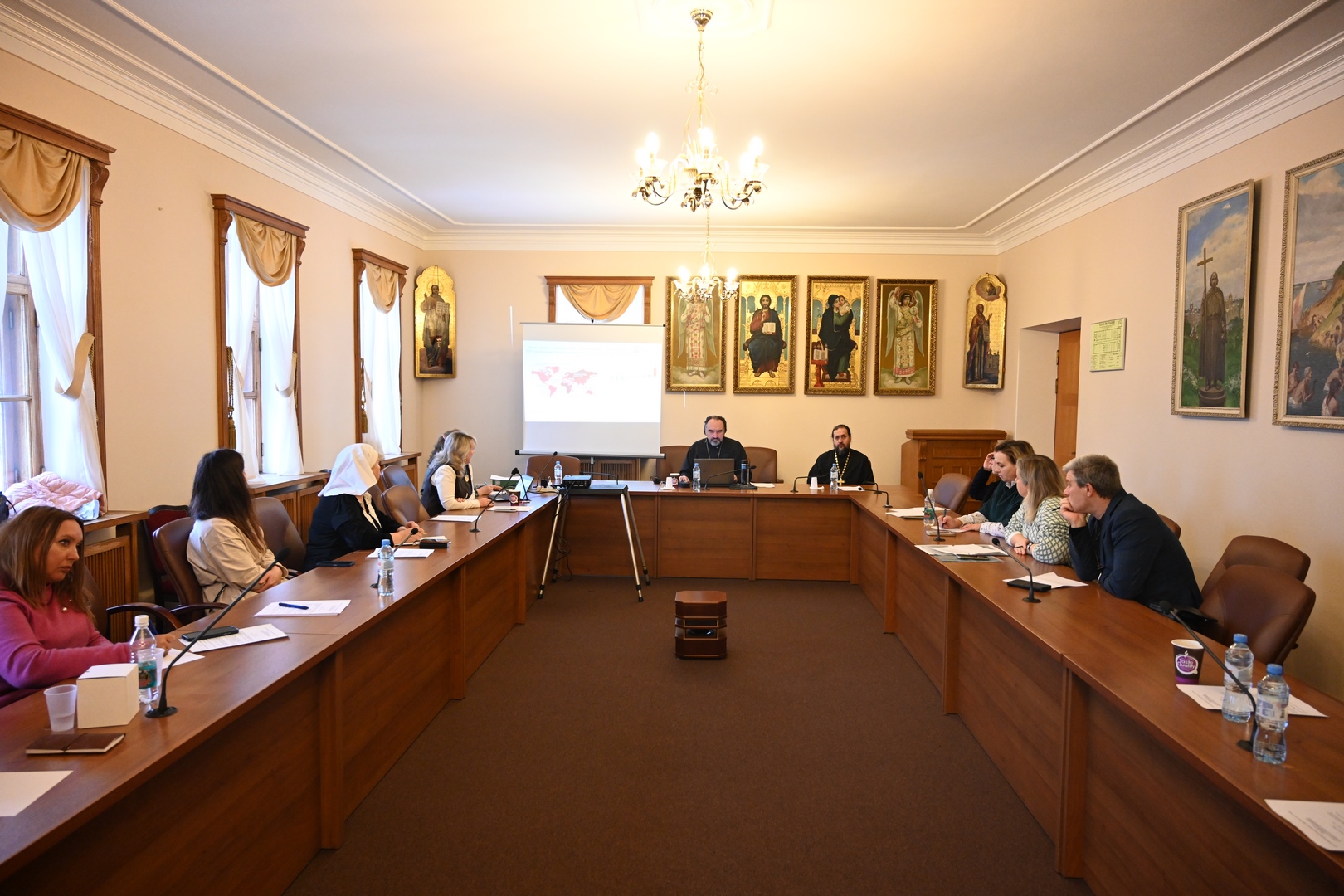
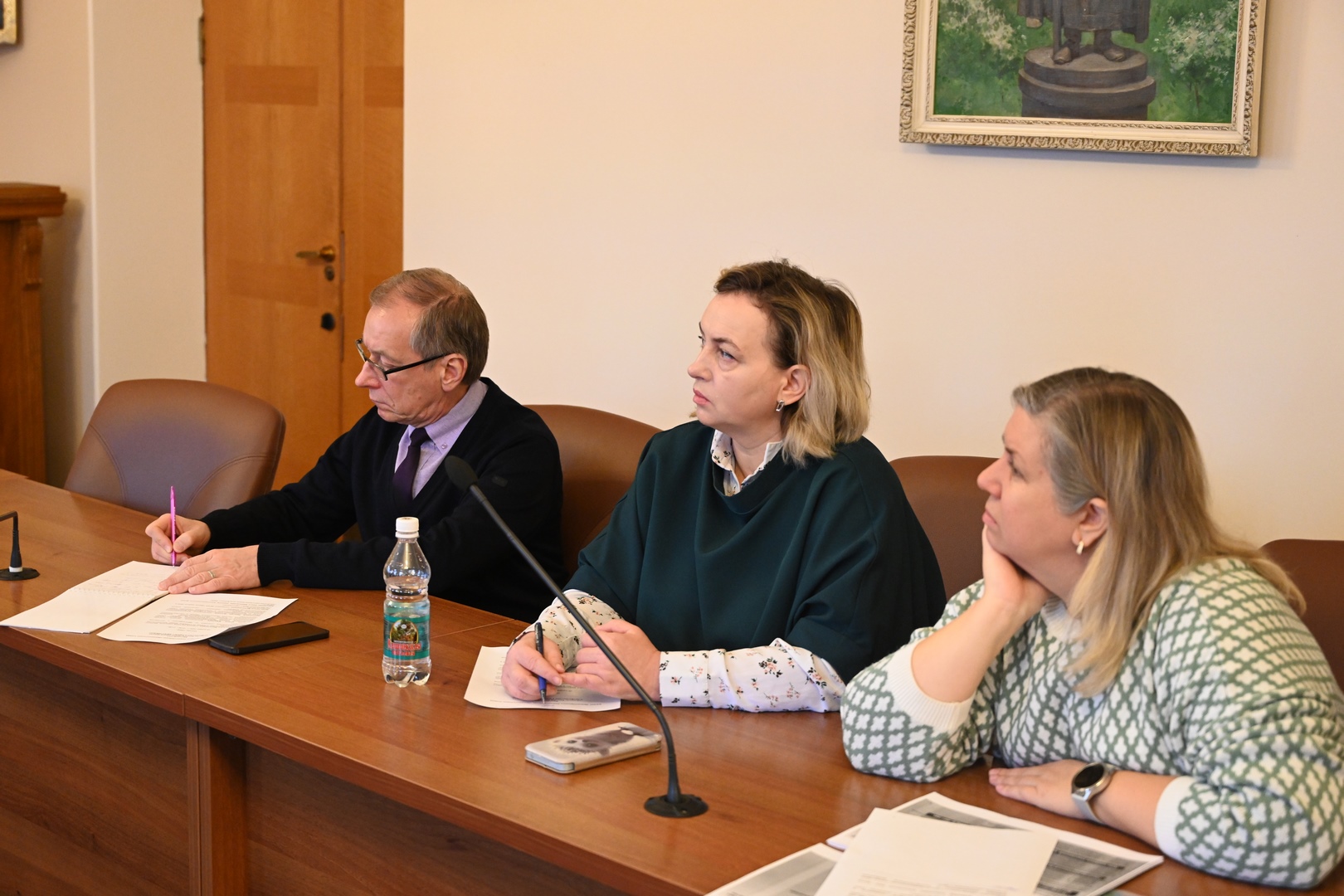
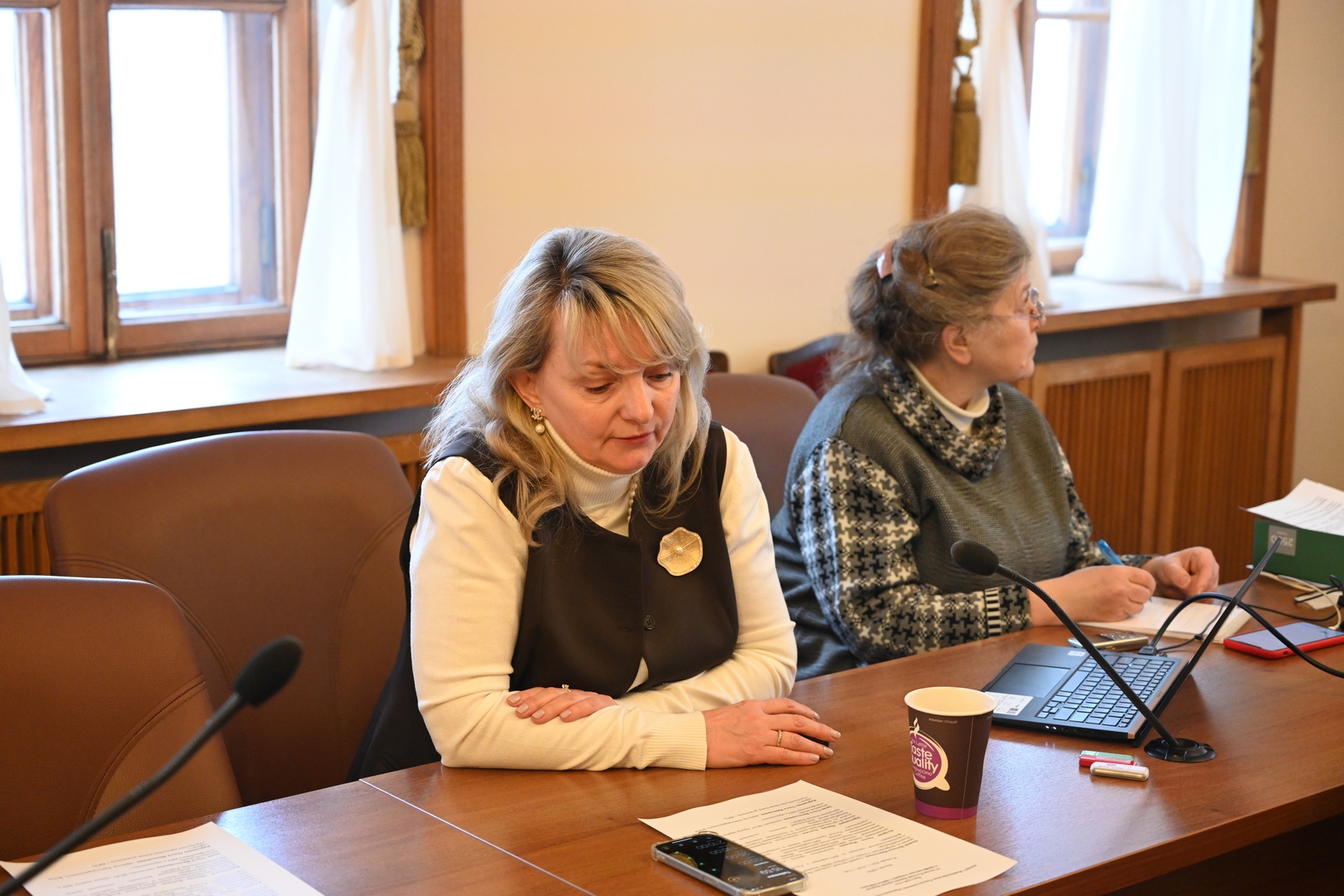
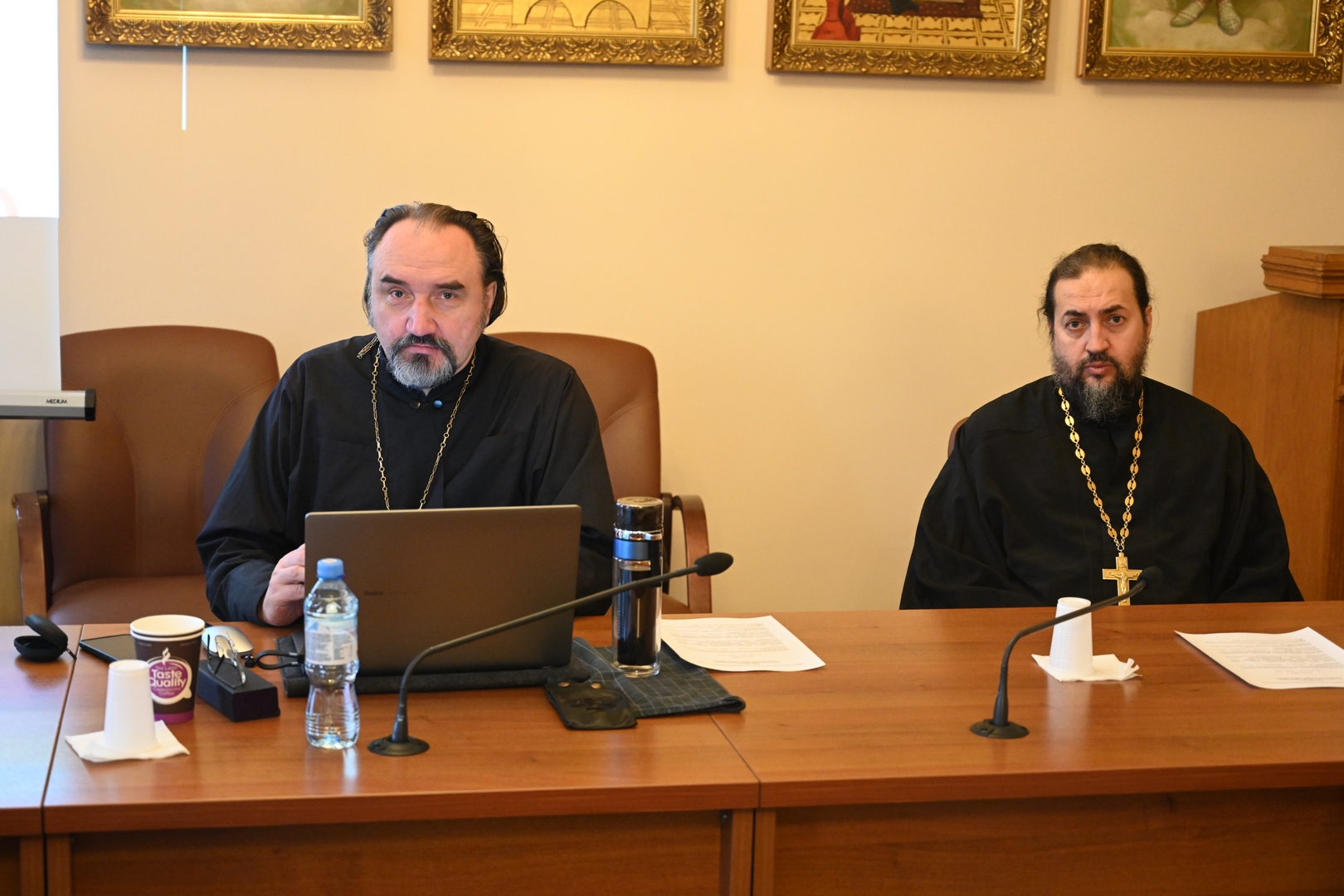
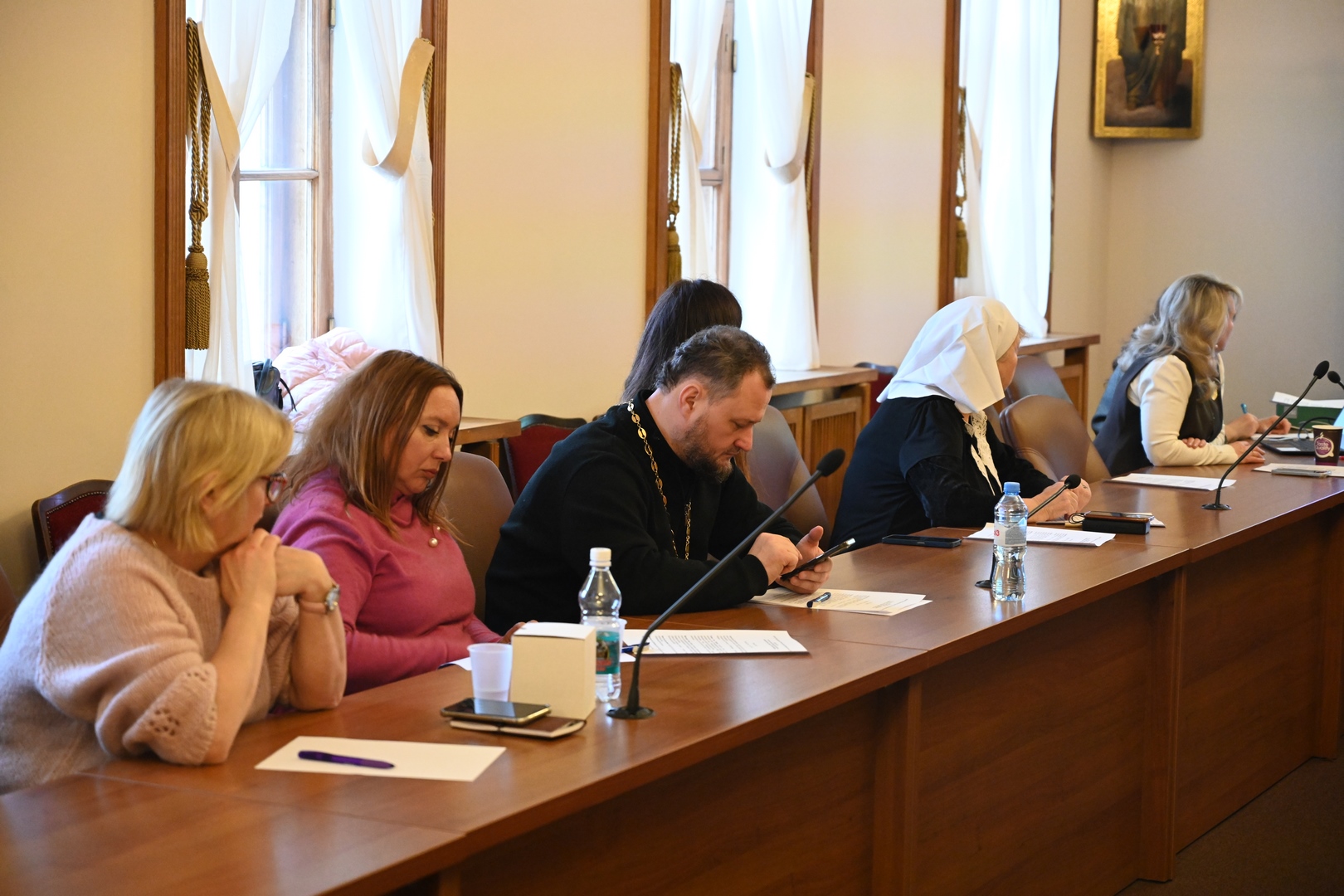
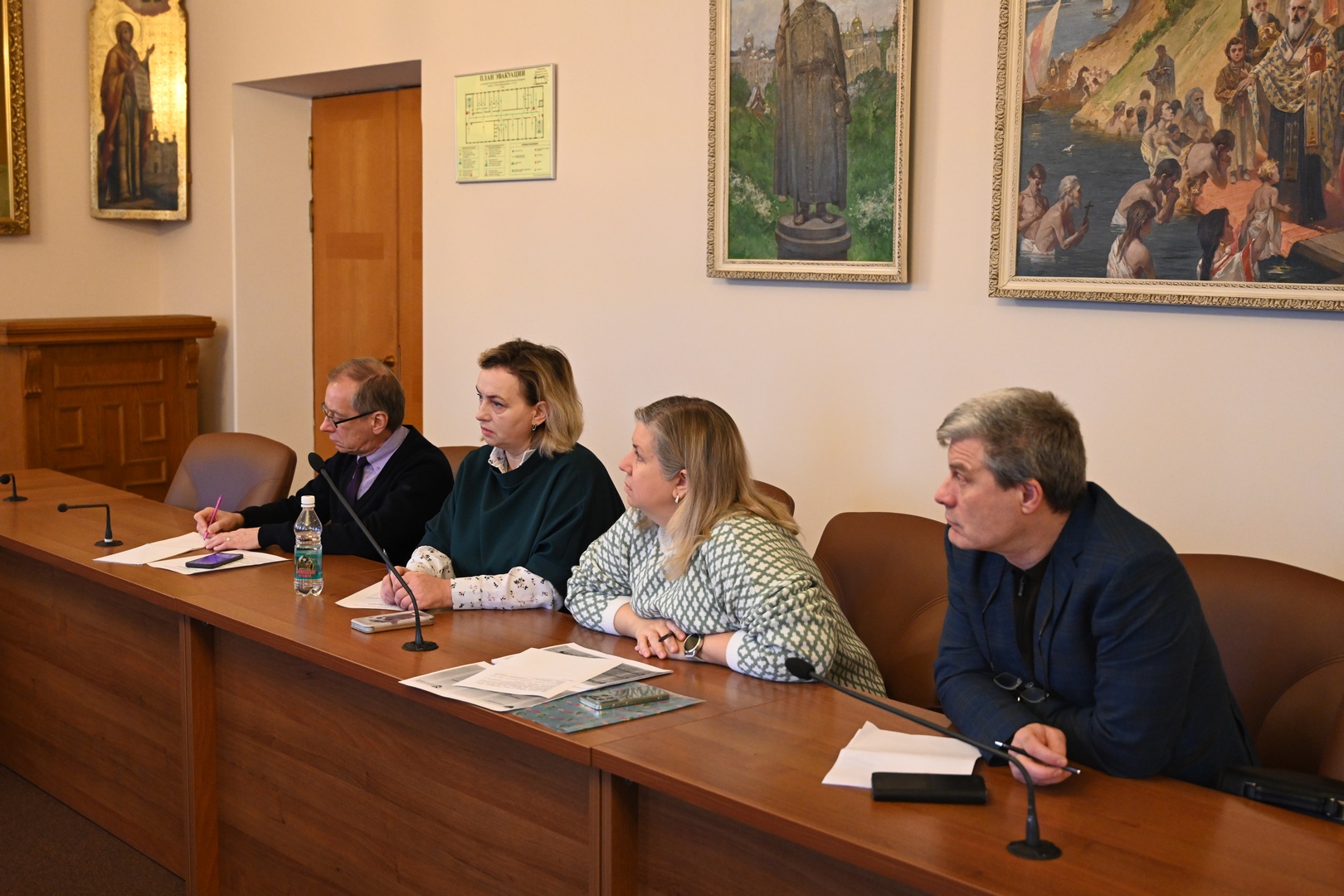
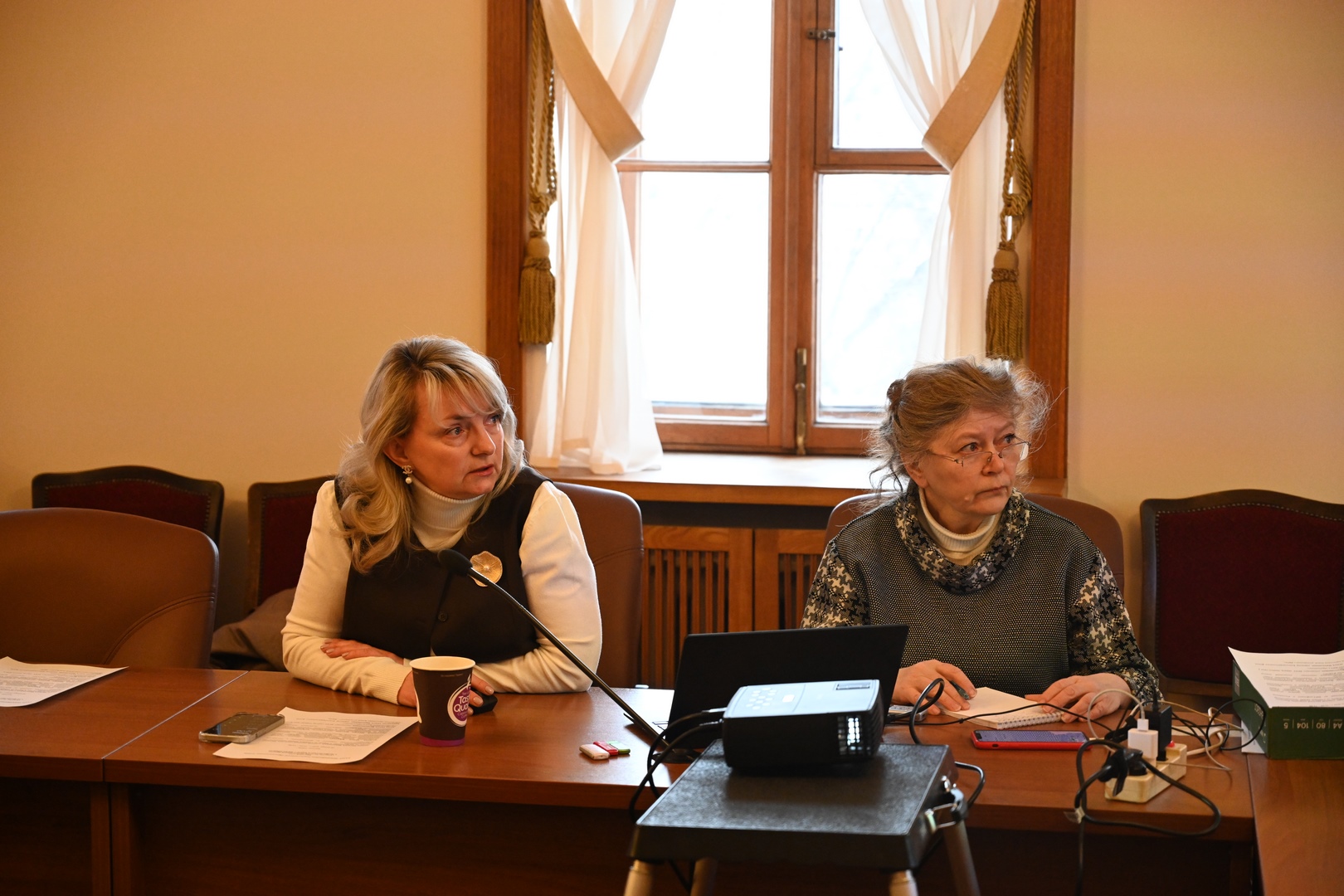
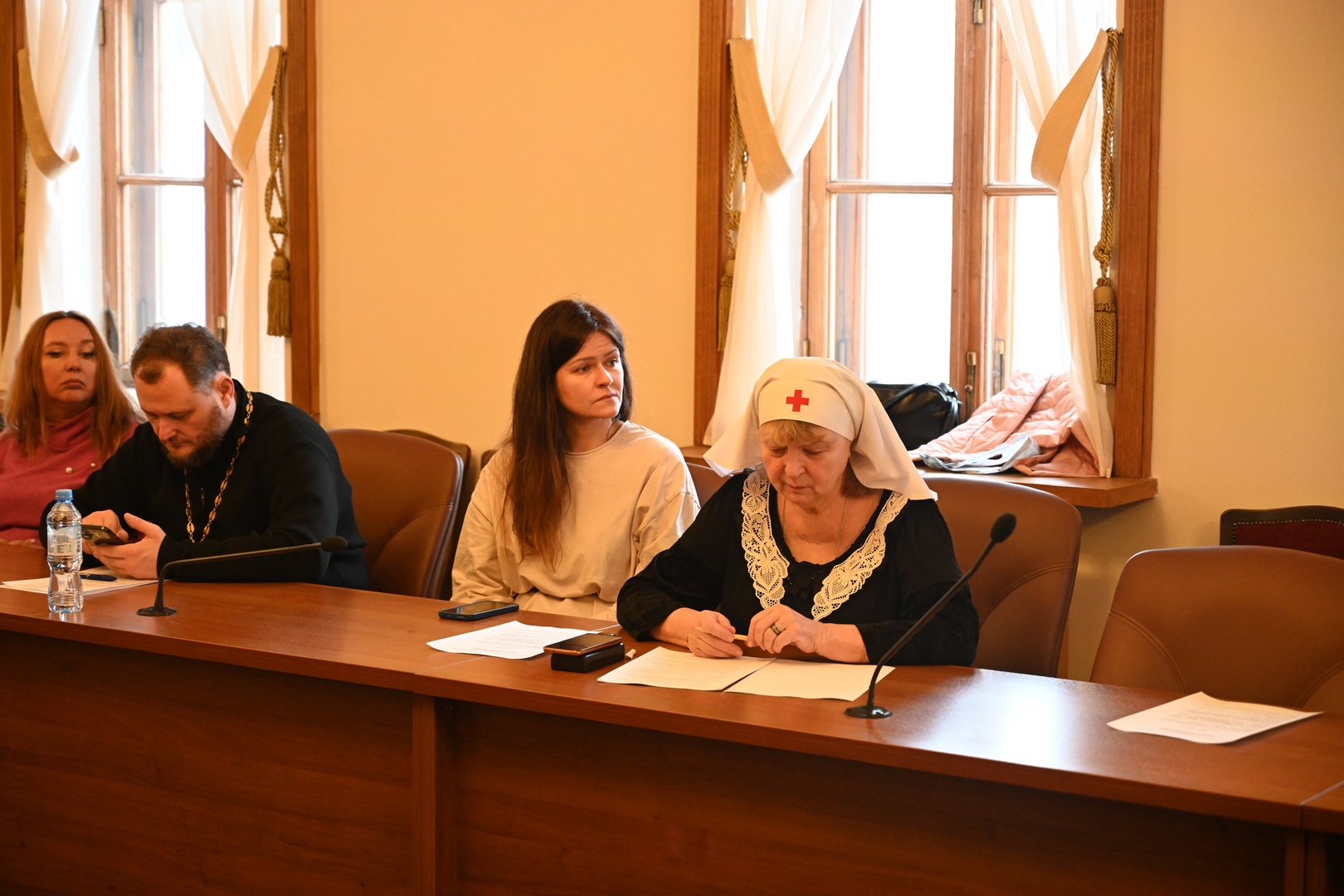
On January 28, 2026, a round table entitled “Participation of the Russian Orthodox Church in the Prevention and Fight Against HIV/AIDS” was held at the Department for External Church Relations of the Moscow Patriarchate. It took place within the framework of the XXXIV International Christmas Educational Readings and was chaired by Archpriest Maksim Pletnev, Head of the Coordination Center for Countering Drug Addiction and Alcoholism of the Department for Church Charity and Social Ministry of the Saint Petersburg Diocese; the meeting was coordinated by M.B. Nelyubova, an employee of the DECR.
More than 30 people fr om 10 dioceses of the Russian Orthodox Church, as well as representatives of state and public organizations, took part in the work of the round table; seven presentations were heard at the meeting.
A presentation on the epidemiological situation of HIV infection in the Russian Federation was delivered by N.N. Ladnaya, Senior Research Fellow at the Scientific Center for the Prevention and Control of AIDS of the Central Research Institute of Epidemiology of Rospotrebnadzor. She noted that compared to 2010, the number of new HIV cases worldwide has decreased by 40%, and mortality has decreased by 54% (to 630,000). However, the target indicators of the Global AIDS Strategy for 2021–2026 (reducing new cases to 370,000 and deaths to 250,000) have not been achieved: in 2024, 1,300,000 newly infected persons were recorded.
The most affected region remains Africa and the Caribbean. The situation is exacerbated by a reduction in international funding, especially from the United States, which has led to instability of prevention and treatment programs in many African countries. An increase in the number of new cases and deaths is forecast there. In three regions of the world, including Eastern Europe and Central Asia, the number of new HIV cases is increasing. AIDS-related mortality is increasing only in Eastern Europe and Central Asia.
The WHO European Region, including the territory of the former USSR, is considered unfavorable with regard to HIV. In Russia, according to the Ministry of Health, the highest incidence rate in the WHO European Region is recorded: 33.5 cases per 100,000 population, which is 7 times higher than in the EU and 3 times higher than in the USA. From 2009 to 2024, 1,157,711 cases of HIV infection were registered. According to Rospotrebnadzor, in 2024 Russia registered 52,783 new HIV cases. Although incidence has decreased by almost one third compared to the long-term average, it is still significantly higher than in the EU (24,000 per 500,000,000). By the end of 2024, a cumulative total (for the entire period of observation) of 1,700,000 HIV cases had been registered in Russia, and by the beginning of 2025 this figure had already reached 1,800,000. The number of HIV-infected citizens who died from all causes reached 534,000 by the end of 2024 and nearly 570,000 by the beginning of 2025.
High mortality at a young age makes HIV a threat to national security. HIV infection has taken first place among the causes of mortality from infectious diseases, surpassing even some cardiovascular pathologies in younger age groups. At the same time, the epidemic is “aging”: whereas previously mainly young people were becoming infected, now the main risk groups are people aged 40-50. The average age of people living with HIV has increased to 44 years.
The speaker noted that active transmission of HIV infection is observed both among the general population of reproductive age through heterosexual sexual contacts and in population groups traditionally vulnerable to HIV: 80.9% of HIV-infected persons newly identified in 2024 reported only heterosexual contacts, 14% reported intravenous drug use, and 3.8% reported homosexual contacts.
Siberia, the Urals, and the Volga region remain the leaders in incidence, but involvement of the Far East (especially Chukotka) and the rural population in the epidemic is increasing. In most regions, the epidemic is in a concentrated stage (among risk groups: people who use drugs - 30%, MSM - 20%, prisoners - 12%), but in 27 regions, wh ere one third of the country’s population lives, it has already moved to a generalized stage, spreading among the general population.
Despite large-scale efforts by the healthcare system, the effectiveness of measures remains insufficient to stop the epidemic. Ninety percent of patients registered for follow-up care receive therapy. Coverage of HIV testing among Russians has increased over the past 10 years by 83.8% (to 35.6% of the population). In 2024, 52,075,544 HIV tests were performed. However, vulnerable risk groups account for only 0.6% of tests, although HIV detection among them is 100 ties higher than in other populations. Each year, 10–20 cases of infection during the provision of medical care are recorded, often in conjunction with outbreaks of hepatitis. In total, 543 such cases have been proven.
In the future, high HIV incidence and growth of the cohort of PLHIV are expected to persist, since the disease is incurable. Natalya Nikolaevna emphasized the importance of the participation of the Russian Orthodox Church in combating stigmatization and discrimination of patients, as well as in providing spiritual support and palliative care to PLHIV.
During the discussion of the report, M.V. Radzikhovskaya, Chief Physician of the Chelyabinsk Regional AIDS Center, noted positive dynamics of the HIV/AIDS epidemic in her region, reflecting the quality of organization of the relevant structures. Over the past five years, incidence in the region has decreased by 30%. There is no shortage of medications. Patients adherent to therapy live full lives. The modern approach to treatment makes it possible to visit the AIDS center only twice a year for examinations and to receive medications. The key problem remains refusal of treatment by representatives of vulnerable groups. In this regard, the main challenge for physicians is to find ways of interacting with this group of “refusers.”
Archpriest Maksim Pletnev, Head of the Coordination Center for Countering Alcoholism and Drug Addiction of the Diocesan Department for Charity and Social Ministry of the Saint Petersburg Diocese, delivered a presentation entitled “Orthodox Rehabilitation of Addicted Persons: A Systemic Approach. The FAVOR Assistance Program.”
The Coordination Center implements an outpatient program that combines patristic experience with modern psychotherapeutic practices (a biopsychosocio-spiritual model is used). The program is free of charge and operates in an in-person format (on the territory of the Alexander Nevsky Lavra in Saint Petersburg) and online (for participants fr om the regions). Post-rehabilitation support groups are also organized, along with extensive work with codependent relatives. The program involves people aged 18 to 55 (sometimes older). The main condition for participation is complete sobriety. The process takes from 3 to 5 months and is based on daily work on oneself: participants complete written assignments, take part in group therapy, and engage in spiritual activities with priests. For an objective assessment of results, the center conducted a study among 57 participants of the rehabilitation program using tests on values and on the assessment of depression levels. The test results indicate a serious transformation of values and the psycho-emotional state of the program participants.
Since 2023, the Center has been running the “School of Consultants” - a free online course for the training of church workers and volunteers who wish to provide professional assistance to people with addictions.
O.Yu. Egorova, Head of the project “Palliative Care Service for HIV-Infected Patients” of the Resource Center for Palliative Care for HIV-Infected Patients of Infectious Clinical Hospital No. 2, the St. Dimitry Sisterhood of Sisters of Mercy (Moscow), delivered a presentation entitled “Palliative Care for HIV-Infected Patients: Practical Interaction Between the Russian Orthodox Church and State Institutions.” She reported that the Russian Orthodox Church began providing systematic assistance to people with HIV infection in the early 2000s. This work involves sisterhoods, church rehabilitation centers, shelters, and socially oriented non-profit organizations. The work is carried out in close cooperation with state social support centers and medical institutions. In 2013, an official cooperation agreement was approved between Infectious Clinical Hospital No. 2 of Moscow and the St. Dimitry Sisterhood, with the support of the Department of Health. The palliative care service for people living with HIV/AIDS (PLHIV), established by the sisterhood, currently operates in four departments of Infectious Clinical Hospital No. 2 (including boxed wards and intensive care units), wh ere approximately 240 patients receive treatment. The service includes 10 professional sisters of mercy and 25 volunteers. The sisters of mercy undergo special training and hold state-recognized certificates in the profession of “junior medical nurse.” Their patients often belong to socially disadvantaged groups (homeless individuals, people with alcohol or drug dependence) who have lost social skills. The average patient is a man of about 42 years of age.
The service implements a model of assistance covering three areas:
– Professional care: the sisters provide individualized nursing care, filling a gap that arose at the early stage of the service’s activity due to a shortage of junior medical personnel. Later, with the introduction of staff orderlies, the sisters trained them in proper care techniques, which significantly improved the quality of patient care;
– Socialization: assistance in restoring patients’ documents fr om Infectious Clinical Hospital No. 2, searching for relatives, and finding institutions for further residence;
– Spiritual support: preparation for participation in Church sacraments, conversations with a priest, and accompaniment to the hospital church.
Recently, state social coordinators have appeared in Moscow hospitals, dealing with administrative and standard tasks (processing discharge paperwork, referral to social adaptation centers, restoration of documents). Coordinators work in offices and rarely have direct personal contact with patients. This approach differs from the social accompaniment provided by the sisters of mercy: they work individually with each patient, communicate personally, and over a long period of time before making a “social diagnosis.” Thanks to a relationship of trust, the sisters are able to motivate patients to leave the streets, begin therapy, and fight addictions. Olga Yuryevna noted the need to combine the efforts of state social coordinators and sisters of mercy.
One of the main problems is the question: “Where should the patient go after discharge?” To address this issue, cooperation has been established with various organizations: state institutions (for example, the social adaptation centers “Lyublino” and “Filimonki”), non-profit organizations and foundations (including “Noah’s House of Diligence,” “Rescue Hangar,” “Fair Aid of Doctor Liza,” “Nochlezhka,” and Orthodox rehabilitation centers in various cities). The regional organization “Center Plus” helps provide patients with antiretroviral therapy during the period while they are traveling home or restoring documents, in order to avoid interruption of treatment.
The speaker noted that over 14 years of work, the palliative service has come to be perceived by the administration of Infectious Clinical Hospital No. 2 as a full-fledged, albeit non-staff, unit; its activities are highly valued. In conclusion, she emphasized that in many areas of social ministry, church organizations act as “pioneers,” identifying acute social problems and attracting state structures to their resolution. Only through the synergy of efforts between believers and the state is it possible to effectively address the problems of such complex patients.
O.V. Zaeva, a specialist at the Federal State Budgetary Institution “Center for the Protection of the Rights and Interests of Children” (a subordinate institution of the Ministry of Education of the Russian Federation), in her presentation “HIV Prevention in Education,” explained that the center’s work is based on the “State Strategy for Countering the Spread of HIV” and the “Strategy for Comprehensive Child Safety.” Its main objectives are raising awareness, combating stigmatization, and creating a safe social environment. The Center for the Protection of the Rights and Interests of Children is engaged in HIV prevention in education by integrating it into the educational process. This work is aimed at forming stable attitudes of safe behavior in the younger generation, based on universal human values.
The preventive work carried out includes two areas: providing specific knowledge about HIV, routes of transmission, and protective measures (the informational block); as well as forming moral and ethical barriers and universal human values, that is, fostering “basic normativity” (for example, culturally appropriate behavior), upon which safe behavior skills are subsequently built. According to the speaker, prevention should not be limited to isolated lectures — it should be integrated into existing subjects: biology and “Fundamentals of Safety and Defense of the Motherland” for teaching specific knowledge; literature and history for discussing behavioral models and moral issues. Information should be presented in a measured way, taking into account the age of children and regional characteristics. Studies conducted in 2023–2024 showed a direct correlation between children’s involvement in socially significant activities and their well-being: in schools with developed student self-government and school theaters, the health value index is higher and the level of deviant behavior is lower. These activities meet adolescents’ needs for acceptance and self-realization in a prosocial environment, reducing the risk of drifting into destructive groups.
O.N. Kiryanova, Director of the charitable foundation “Children+,” spoke about the difficulties of growing up for children born with HIV. Approximately 10,000 children with HIV live in Russia, more than 200 of whom participate in the programs of the “Children+” charitable foundation. Most of these children were infected by their mothers at birth 5–10 years ago. Today, vertical transmission of HIV (from mother to child) has been reduced to a minimum — 99% of women who receive appropriate therapy give birth to healthy children. However, cases of infection persist, often through breastfeeding if the mother became infected after childbirth.
Modern medications allow these children to live full lives: they have access to education, free treatment, and social support (a disability pension until the age of 18). Many professions are open to them, except for military service, work as surgeons (due to contact with blood), and piloting aircraft (due to international restrictions).
One of the problems faced by these children is that, while receiving a pension, they do not have the status of a person with a disability, since disability status is granted only at the AIDS stage. This creates problems at school: teachers are aware of the pension and demand a disability certificate, which the parents cannot provide, thereby indirectly disclosing the diagnosis. The problem of placing HIV-positive orphans into families has been virtually resolved thanks to education and specialized schools for foster parents. Currently, about 250 adolescents live in institutions; younger children are quickly taken into families. The main problems of children with HIV are not related to the diagnosis itself but to social factors: 50% have lost one or both parents, many are raised by elderly guardians or biological parents experiencing feelings of guilt and personal tragedy. These families often need psychological and spiritual support. There are difficulties with disclosure of the diagnosis: in schools, despite educational efforts, teachers may discriminate against a child with HIV. These children are also often deprived of the opportunity to attend children’s camps due to misunderstanding on the part of medical workers.
Up to the age of 14, children generally live normal lives. However, upon learning about their diagnosis, they face issues of self-identification and need psychological support. It is important to foster in children and parents a positive attitude toward the illness as a chronic condition requiring adherence to treatment. Until the age of 18, treatment is monitored by parents and guardians. After reaching adulthood, if there are no supportive adults nearby, a young person is left alone with the disease. Up to 30% of young people aged 18 to 20 stop attending AIDS Centers. Some die because they interrupt treatment amid a psychological crisis or due to lack of support.
It is necessary to develop spiritual accompaniment directly within AIDS Centers (and not only in hospitals) and to create a hotline involving priests or trained volunteers. It should be taken into account that modern HIV-infected individuals are not so much marginalized groups (as before), but rather ordinary people who are very closed off, stigmatized, and themselves rarely turn to a priest with this problem. The speaker called on the Church to take the initiative, for example, through leaflets in AIDS Centers indicating the number of a church “hotline” on HIV/AIDS issues.
Archpriest Georgy Artaryan, rector of the Holy Trinity Church in the village of Dolgoderevenskoye, Sosnovsky District of the Chelyabinsk Region, and S.F. Abalmazova, assistant to the dean for social work, assistant head of the Crisis Center for Women and Children in Difficult Life Situations, head of the psychological assistance service at the Holy Trinity Church, delivered a joint presentation entitled “The Application of Programs of Spiritual and Moral Education and Prevention of Risky Behavior among Children and Youth: Experience of Work in Schools and Youth Projects.” Father Georgy’s parish has been using the program “Ladya” (“In Harmony with Oneself”) for 15 years as a tool for preventing risky behavior and for the spiritual and moral education of children and youth. Over these years, more than 400 adolescents have passed through the program, and the church has become an “accessible environment” and a “familiar” place for residents of the district. It has been possible to break the stereotype that people come to church only to baptize or to conduct funeral services; now they come for communication and support.
Work under this program is carried out jointly by a priest and psychologists (school and clinical); the efforts of the school, the regional rehabilitation center “Family,” and the Orthodox church are united. Classes under the “Ladya” program are held in schools during class hours throughout the entire academic year. The program includes homework assignments to be completed jointly with parents (for example, creating a family coat of arms). This helps to identify hidden family problems, which are then addressed by school psychologists.
The application of “Ladya” at the “Family” rehabilitation center has its own specifics: adolescents from across the region who are in difficult situations (victims of violence, suicide attempts) come here for one month. Each year, about 13 groups (144 people) undergo a rehabilitation course here, for a total of about 2,000 adolescents. An important part of their rehabilitation program consists of off-site classes held directly at the church. The most acute and sensitive issues are discussed here: family values, life and death, suicide, abortions. After difficult topics, tea drinking and informal communication with the priest are necessarily conducted, helping to relieve tension. Gradually, a trusting dialogue is built; the children open up and talk about severe traumas that they had remained silent about even during meetings with psychotherapists. Many adolescents come to faith consciously for the first time. Father Georgy said that within one year, 25 people received Baptism after conversations with the priest.
The “Ladya” program became the basis for the creation of a full-fledged youth movement at the church. Social-role-playing and board games on the themes of the program (“From Virtuality to Reality”) were developed. Adolescents took part in the “Territory of Health” campaign, wh ere they informed their peers about HIV infection and encouraged them to undergo testing. For this, they were awarded certificates fr om the Ministry of Health.
On the basis of the parish, leisure activities have been formed, to which graduates of the “Ladya” program bring their friends: a game library and a film club (board games and discussion of films with moral content); the music group “Pyaterki,” which performs at celebrations; and the sports-patriotic club “Brat.”
According to the speakers, the “Ladya” program has paved a “solid road to the church.” Adolescents not only attend events but also begin to participate in church life, including Confession and the Divine Liturgy, receiving support from peers who are already active church members.
V.A. Mayanovsky, Head of the Regional Public Organization “Center Plus,” delivered a presentation entitled “The Experience of the Regional Public Organization ‘Center Plus’ in Issues of Adherence to HIV Treatment: Interaction with Specialized State Medical Institutions and Non-Profit Organizations.” The social and informational project “Bridge” is implemented by the Regional Public Organization “Center Plus” on the basis of Infectious Clinical Hospital No. 2 and the Moscow City Center for the Prevention and Control of AIDS. Its office, operating on the basis of the Moscow City AIDS Center, has been working since 2009, while the “Bridge” project in its current format has been functioning since 2004. To provide effective assistance to people living with HIV/AIDS (PLHIV), a network of cooperation has been created, which includes Infectious Clinical Hospital No. 2, the Narcological Center, the Moscow City AIDS Center, the “Steps” Foundation, “Center Plus,” and the Mercy Service (the St. Dimitry Sisterhood). This makes it possible to redirect complex patients, for example those with drug dependence or those in need of care, to specialized organizations. The main areas of the project’s work are counseling and testing based on the “peer-to-peer” principle. The work is carried out primarily with vulnerable population groups, wh ere the prevalence of the virus is higher; a mobile testing unit with a nurse is in operation. The project also provides patient routing, that is, assistance with registration at the Moscow City AIDS Center. Another area is education and psychological support: the “Patient School” operates in a blended (in-person and distance) format, and the self-help group “Positive” functions as well—one of the oldest such groups (operating since the late 1990s), helping patients who deny their diagnosis or therapy to change their attitude by seeing examples of healthy people who have been living with HIV for many years.
An important part of the project’s work is the social support of patients with limited mobility; it covers about 100 people, providing assistance to people with disabilities, the elderly, or those temporarily unable to work (for example, after injuries). Staff members receive medications from pharmacies by power of attorney and deliver them to patients’ homes, ensuring continuity of treatment; they transport patients in the project’s vehicle to the procedure room for testing or deliver test samples to the laboratory. This service is highly demanded by lonely individuals who conceal their diagnosis and cannot ask acquaintances for help. The speaker noted that the effectiveness of the work is achieved only thanks to a comprehensive approach: from detection and “peer” counseling to medication delivery and psychological support. This forms adherence to treatment even among the most complex categories of patients.
The section of the Moscow Patriarchate’s International Christmas Educational Readings entitled “Participation of the Russian Orthodox Church in the Prevention and Fight Against HIV/AIDS” has been held annually since 2002.